


 Italiano
  English (UK)
  Русский
  বাংলা
বাংলা  العربية
  日本語
日本語  한국어
한국어  Magyar
  Norsk nynorsk
  Türkçe
  עִבְרִית
  Español
  Čeština
  Svenska
  Português
  Ελληνικά
  Suomi
Suomi  Nederlands
  Română
  Français
  Polski
  Українська
  Deutsch
  简体中文
简体中文  Slovenčina
  Српски језик
  اردو
اردو  Azərbaycan dili
  O‘zbekcha
  አማርኛ
አማርኛ 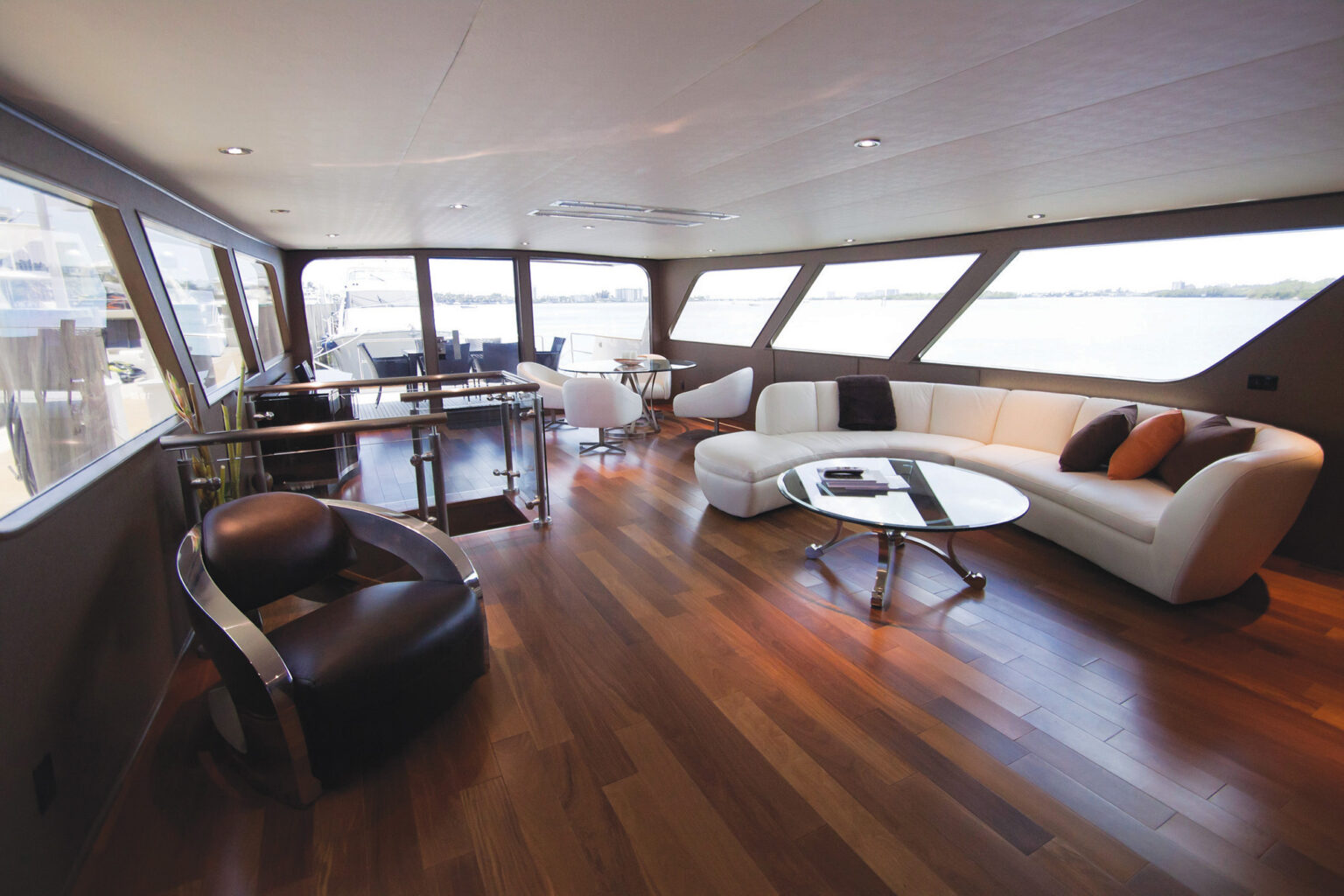 Broward 100: Note Pratiche su Scafi, Refitting e Uso Charter">

Key vessel parameters that drive marina and refit decisions
Typical Broward 100 hulls carry in excess of 3,000 gallons of fuel, una trave nelle vicinanze 20′, and a draft around 5’6″. Those numbers impact berth selection, haul-out block plans, crane capacities for cockpit or transom modifications, and local permit requirements for major structural work. Many owners rely on yards experienced with aluminum welding and CAPAC-like cathodic protection systems to avoid electrolysis during lengthy refits.
Why aluminum construction matters for owners and yards
Broward moved from wood to aluminum in the 1970s, and the alloy hulls are prized for a high strength-to-weight ratio and year-round reparability. Practical implications include:
- Repair windows: Aluminum can be welded in colder months without the mold constraints of composite builds.
- Anode management: Magnesium anodes and active current-cathodic protection systems are typical and must be maintained to prevent galvanic wastage.
- Blocking specifics: Proper hardstand support points are mandatory to avoid hull distortion, especially where snow loads are possible.
Interior and deck layout: implications for charter and cruising
Broward yachts were built with commodious saloons, large galleys (often country-kitchen style), and forward crew quarters—features that translate well to charter use or a private cruising condominium feel. The more recent walkaround designs improve crew flow, allowing service to proceed topside without interrupting guests in the saloon.
Refit flexibility and project planning
The majority of dockyards familiar with Broward projects emphasize a predictable workflow: remove exterior panels, fabricate and weld extensions or transom stairs, and leave running-gear positions intact where possible to limit naval-architect costs. Project managers commonly recommend addressing cockpit extensions and engine-room mechanicals first, then proceeding to joinery and décor.
Typical refit stages
- Scope definition and cost estimation with owner and captain
- Mechanical and systems work (engine overhaul, CAPAC checks, stabilizers)
- Hull and structural modifications (extensions, plate replacement, welding)
- Interior joinery, lighting, and soft-goods installation
- Sea trials, systems testing, and final certification
Inspection checklist before purchase or refit
Buyers and project managers commonly follow a thorough inspection routine to determine the true condition of a Broward 100:
- External hull inspection for pitting, wastage at the waterline, and repaired plates
- Check the history and condition of anodes and any active cathodic protection system
- Bilge cleanliness—sludge and foreign metal debris accelerate corrosion
- Weld seams and potential oil-canning where frame spacing is high
- Electrical insulation, routing, and chafe protection throughout the vessel
| Specification | Typical Broward 100 |
|---|---|
| LOA | 100’0″ (varied) |
| Beam | 20’0″ |
| Draft | 5’6″ |
| Carburante | 3,000+ gal. |
| Water | 500+ gal. |
| Potenza | Detroit Diesel 71/92 series or Caterpillar twins |
| Years built | 1983–2007 |
| Price range | $725,000 to $4.95 million |
Performance and propulsion considerations
Cruising speeds for refitted Broward 100s commonly begin around 13 knots, depending on propeller selection and power condition. Many owners opt for overhauls of existing Detroit or Caterpillar engines; a full repower is feasible and usually accomplished without major interior disruption by cutting and re-welding hull plates.
Charter potential and tourism relevance
Because of large staterooms and vast social spaces, Browards adapt well to private charters, yacht parties, and exclusive event charters. Operators considering the Broward 100 for tourism should plan layout optimization for guest flow, safety compliance for commercial operation, and tender/davit placement—remembering that moving heavy mechanicals is often cost-prohibitive.
Highlights: Broward yachts combine rugged aluminum hulls with spacious interiors that respond well to refits and improve charter appeal. However, nothing replaces a hands-on inspection and a coherent team—designer, captain, yard, and naval architect—to deliver predictable results. On GetExperience, you book your experience from verified providers at reasonable prices. This empowers you to make the most informed decision without unnecessary expenses or disappointments; the platform’s payment security, voucher confirmation, and tailored provider offers help match yachts and tours to your preferences. Book your Trip GetExperience.com
In summary, the Broward 100 is a flexible platform for private cruising or charter conversion: aluminum construction simplifies major structural changes, roomy saloon and stateroom layouts sell well to charter markets, and proper attention to anodes, CAPAC systems, and bilge cleanliness preserves hull integrity. With careful refit staging, the right team, and realistic budgets, these yachts can be transformed into luxury adventure travel experiences—ideal for yacht parties, cruise packages, eco-friendly wildlife safaris, or exclusive yacht charters for events, and can be paired with museum tours with live guides, interactive online cultural workshops, or even specialized beginner esports coaching sessions for themed itineraries. Choose wisely and inspect thoroughly to enjoy safe, comfortable travel experiences and luxury adventure travel experiences on the water.