


 Italiano
  English (UK)
  Русский
  বাংলা
বাংলা  العربية
  日本語
日本語  한국어
한국어  Magyar
  Norsk nynorsk
  Türkçe
  עִבְרִית
  Español
  Čeština
  Svenska
  Português
  Ελληνικά
  Suomi
Suomi  Nederlands
  Română
  Français
  Polski
  Українська
  Deutsch
  简体中文
简体中文  Slovenčina
  Српски језик
  اردو
اردو  Azərbaycan dili
  O‘zbekcha
  አማርኛ
አማርኛ 
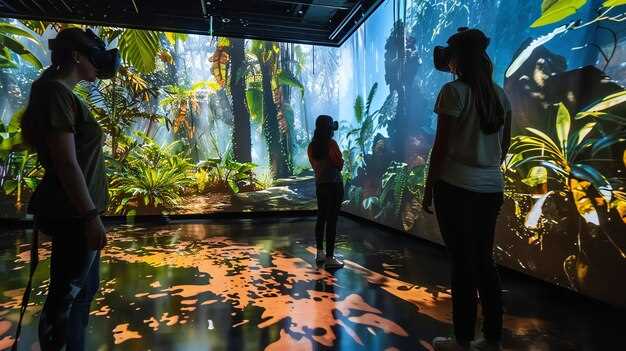
The Amazon rainforest is often seen as a vast expanse of natural beauty, but beneath its lush canopy lies a rich tapestry of indigenous cultures and histories that have shaped the region for millennia. With the rise of advocacy for the rights of these communities, two recent museum exhibitions delve into the lives of the Amazonians, shedding light on the complexities of their traditions. These exhibitions not only showcase stunning fotografie e paintings but also challenge prevailing narratives by emphasizing the deep connections between these cultures and the land they inhabit.
One exhibition curated by members of the CCCB (Centre de Cultura Contemporània de Barcelona) takes a bold step towards reframing our understanding of indigenous life. With works that feature the Karajá, Baniwa, and Iban cultures, it presents a narrative where humans and the environment exist in a delicate balance. By engaging with the objects that were made with ancestral knowledge, the gallery invites a dialogue that highlights the industry of traditional crafts and the role these practices play in sustaining not only their communities but also the larger market. Such representations challenge the romanticism often associated with Indigenous cultures, allowing visitors to see the realistic struggles and triumphs within these societies.
Through interactive displays and immersive installations, the second exhibition intricately weaves the past with the present, illustrating how these communities continue to thrive amidst modern challenges. The curator’s vision reveals that understanding these civilizations requires not only an appreciation for their arts but also a recognition of their ongoing advocacy efforts. Both exhibitions underscore a crucial point: the complexity of Amazonia cannot simply be distilled into a single narrative. They present a huge wave of voices that don’t necessarily conform to the expectations placed upon them, offering a profound look into how the past informs the contemporary realities of indigenous peoples and their place in our interconnected world.
A Plural Living and Resolutely Contemporary Amazonia
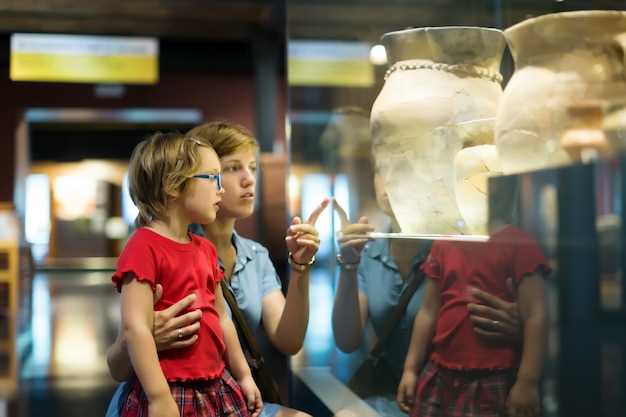
The Amazonia of today is an expansive tapestry woven from the threads of various cultures, traditions, and modern realities. The long history of civilization in this region is not merely a tale of pristine landscapes and untouched nature; instead, it encompasses a diverse array of communities, each with its own narrative. As curator Barreto emphasizes, understanding this complexity is essential for portraying a more accurate view of Amazonia, which exists beyond romanticized notions of its exoticism.
In recent exhibitions held at prominent Brazilian museums, such as the CCCB in São Paulo, powerful imagery has come to the forefront. These displays feature not only traditional artifacts but also contemporary artworks that illustrate the lives of young Amazonians and their ongoing relationship with the rich biodiversity of their homeland. The presentations encompass striking portraits and significant paintings that challenge the notion of a singular Amazonian identity, showcasing instead a pluralistic society where modernity and tradition coexist.
One of the standout pieces in the exhibitions is a film that captures the daily routines of children and their families living alongside the great rivers of Brazil. The film emphasizes the last remaining patches of native plants and the efforts by local communities to preserve their cultural heritage amidst rapid change. Alongside this multimedia representation, the sales of limited edition photographs by renowned artists, such as Sebastião Salgado, have contributed to a more nuanced understanding of Amazonia’s contemporary realities.
Bringing another layer to this exploration is the detailed dialogue created through the juxtaposition of objects from Amazonian culture with contemporary works. The deliberate placement of Brazilian artifacts next to modern interpretations not only highlights the transformation over time but also serves as a reminder of the ongoing struggles faced by these communities. Such presentations encourage viewers to engage in deeper reflections about the interconnectedness of history, environment, and identity.
| Art Piece | Artista/Creatore | Medium | Anno |
|---|---|---|---|
| Portraits of Young Amazonians | Curator Barreto | Photography | 2023 |
| Film: Daily Life in Amazonia | Various filmmakers | Documentary | 2023 |
| Nature’s Power: Plants of the Amazon | Salgado | Photography | 2023 |
| Exoticized Traditions | Contemporary Artists | Mixed Media | 2023 |
This evolving narrative of Amazonia ultimately emphasizes the need for an understanding that does justice to the realities faced by its inhabitants. It is not merely about recognizing the beauty of the land but also acknowledging the realities of civilization that thrives within it. The active engagement with culture through art captures more than just the essence of a place; it opens up avenues for dialogue about its future, ensuring that the stories of those who call this vibrant region home are neither forgotten nor marginalized.
What are the Key Themes of the Exhibitions?
The exhibitions present a multifaceted exploration of Amazonian civilizations, focusing on themes that challenge conventional understanding. The first theme revolves around the deep connection between Indigenous peoples and their environment, particularly how rivers and plants like toborochi have shaped their cultures. For example, the use of ancient boats made from local materials highlights the sophisticated ecological knowledge that has been passed down through generations. Such elements help in bridging the gap between the past and the present, giving visitors a chance to engage with the rich histories and practices of those who inhabit the Amazon.
Another significant theme is the interplay of modernity and tradition. Through the works of artists like Paulo Salgado and the Baniwa community, the exhibitions reveal how contemporary challenges, such as industrialization and the market dynamics that target Amazonian resources, confront traditional ways of life. By juxtaposing modern art with historical objects and photos, the curators illustrate the ongoing journey of Indigenous peoples as they navigate their futures while holding on to their cultural memories and identities. Visitors are encouraged to reflect on what it means to be an Amazonian in a rapidly changing world, as they consider the hopes and aspirations of young Indigenous individuals.
- Indigenous Knowledge and Ecological Practices
- Cultural Resilience and Modernity
- Interconnections Between Nature and Humanity
- Memories and Futures of Amazonian Peoples
Lastly, the exhibitions encapsulate the vision of collaboration between science and culture. The integration of research and artistic expression reveals the layered realities of Amazonian life, paving the way for a more nuanced dialogue. As visitors encounter an array of objects ranging from ancient artifacts to contemporary art, they recognize the urgent need to preserve both the cultural heritage and the natural environment of the Amazon, ensuring that the voices of its inhabitants continue to resonate both now and in the years to come.
How Do the Exhibitions Address Indigenous Perspectives?
The exhibitions play a crucial role in reframing our understanding of Amazon civilizations by centering Indigenous voices and experiences. Both exhibitions diverge from traditional portrayals, which often exoticize Indigenous cultures, and instead emphasize a real connection to the land and rivers that shape their identities. This shift allows visitors to engage with the exhibitions on a deeper level, moving beyond the superficial narratives that have long dominated Western perspectives.
One significant aspect of the exhibitions is the incorporation of multimedia elements, including videos and photography that capture the vibrancy of Indigenous communities. For example, the works of photographers like Salgados showcase not only the beauty of Brazil’s landscapes but also the resilience of its people. This powerful visual storytelling evokes feelings of admiration and empathy, encouraging audiences to reflect on the impact of colonialism and market forces on Indigenous lives.
Moreover, the exhibitions invite dialogue around the themes of advocacy and activism within Indigenous communities. By featuring works from artists such as Kuin and Carreras, the displays highlight how these individuals challenge the romanticism often associated with Indigenous cultures. Instead of presenting a static image, they express the dynamic realities faced by their communities, underscoring the urgency of preserving cultural heritage while addressing contemporary issues.
In January’s article on the latest exhibition in Paris, the focus on the invisible stories of Indigenous peoples illustrates a shift towards a more inclusive narrative. The concept of “abuelos” and the connection to ancestral wisdom are pivotal in understanding the ongoing challenges faced by these communities. By revisiting these themes, both exhibitions offer a thoughtful approach that transcends time, allowing viewers to grasp the complexities of Indigenous identities in today’s world.
The geographical diversity represented in both galleries further enriches the experience. Visitors can navigate through regions of Brazil, gaining insights into how local environments have shaped various artistic expressions. The artwork goes beyond mere decoration; it becomes a medium through which Indigenous artists communicate their histories, experiences, and struggles. The poetic nature of these works resonates with audiences, revealing deeper truths often overlooked in mainstream narratives.
What Artifacts Highlight Amazonian Cultural Diversity?
The Amazon rainforest is home to a vast range of cultures, each with its own unique artifacts that showcase their diversity. Anthropologist Sampaio states that artifacts like ceremonial masks, pottery, and textiles provide clear representations of the people’s traditions. These pieces not only reflect aesthetic values but also convey deeper societal meanings, marking the identity of various Amazonian communities throughout the centuries.
For instance, the colorful textiles made by the Mahku people tell stories that go beyond mere decoration. They convey ancestral knowledge and cultural practices that have been passed down through generations. These works showcase intricate designs that reflect the environment and spiritual beliefs of the Mahku, creating a vibrant tapestry of cultural identity.
One of the most fascinating discoveries in museum exhibitions is how artifacts illustrate the impact of external influences on traditional practices. The fish traps, used for centuries by different Amazonian tribes, highlight an innovative approach towards sustainable fishing. Abbott argues that these tools, when examined alongside modern fishing industry artifacts, provide an insightful comparison of traditional versus contemporary practices.
The importance of artifacts extends to the younger generations, as children use these pieces to learn about their heritage. Film projects and workshops in cities like New York aim to educate children about their cultural roots. Such initiatives ensure the survival of these traditions, encouraging a deeper appreciation for the historical significance of these artifacts.
Moreover, temporary exhibitions often feature artifacts that have been bought from local markets, showcasing the resilience of communities to adapt to changing times. These pieces, while ostensibly contemporary, are often rooted in centuries-old practices, demonstrating a fluid cultural evolution. The juxtaposition of traditional and modern items also allows viewers to rethink the cultural dialogue that exists within the versatile Amazonian tapestry.
Lastly, the efforts made to protect and showcase these artifacts remain crucial. Institutions in Paris and beyond work tirelessly to preserve these cultural legacies. The CCCB has organized exhibitions that delve into the lives of those who created these works, revealing a connection between the past and present that remains strong, even for the deceased ancestors whose legacies live on through their creations.
In conclusion, artifacts from Amazonian civilizations serve as vital links connecting people to their ancestral heritage. They provide a clearer understanding of the myriad traditions and identities that flourish within the Amazon. As audiences engage with these works, the importance of cultural preservation becomes evident, ensuring that the stories and knowledge of these remarkable communities endure for future generations.
How is Contemporary Amazonia Represented in the Exhibitions?
The exhibitions explore contemporary Amazonia through various lenses, emphasizing the complex networks that connect indigenous peoples with modern society. Curators have made a concerted effort to showcase different pieces that reflect the evolving identities of these communities. By including voices from the Amazon itself, such as those of the Yaka and Mahku, the displays challenge the traditional romanticism surrounding indigenous cultures. This reinforces the notion that these groups are not relics of the past but vibrant communities engaging with the world, both within Brazil and abroad.
Photos and colorful artifacts presented in these exhibitions serve not only as aesthetic objects but as entry points to understand the interactions that humans have with their environment. For example, the use of traditional plants alongside contemporary materials illustrates how indigenous knowledge is being integrated into the modern market. Exhibitions like those found in New York take a step beyond merely exoticizing these cultures; they actively participate in the conversation about sustainability and environmentalism, drawing parallels between urban cities and the ecological wisdom of Amazonian communities.
Each exhibition is curated to evoke a different feeling, transforming how visitors perceive Amazonia. This approach allows for a greater understanding of the long history of connection between humans and the land. By illuminating the struggles and successes of indigenous populations, the exhibitions dismantle stereotypes often found in Western media, providing a more nuanced perspective. Moreover, they highlight the growing networks of cooperation among indigenous groups, undermining the notion that these cultures exist in isolation.
Di conseguenza, l'Amazzonia contemporanea si presenta come un'entità dinamica, profondamente intrecciata con narrazioni sia locali che globali. L'integrazione della scienza con le arti crea una piattaforma di dialogo, sottolineando che i popoli amazzonici plasmano attivamente le proprie storie piuttosto che essere semplici soggetti di esplorazione esterna. In questa luce, le mostre non si limitano a presentare elementi culturali, ma coinvolgono invece i visitatori in una discussione più ampia su identità, sopravvivenza e resilienza, chiarendo che l'Amazzonia continua a essere una terra di possibilità piuttosto che un insieme di stereotipi romanzati.