Risposta breve: le migliori giornate all'aperto in Spagna sono economiche, ma le famose sono razionate. Il Caminito del Rey costa 10 € e si esaurisce mesi prima. La vetta del Teide richiede un permesso limitato a 200 persone al giorno, rilasciato settimanalmente. Tutto il resto in questa lista, dalla gola del Cares al Camino, richiede stivali e un orario degli autobus piuttosto che una prenotazione.
Le due che richiedono prenotazione per prime
Caminito del Rey, provincia di Málaga
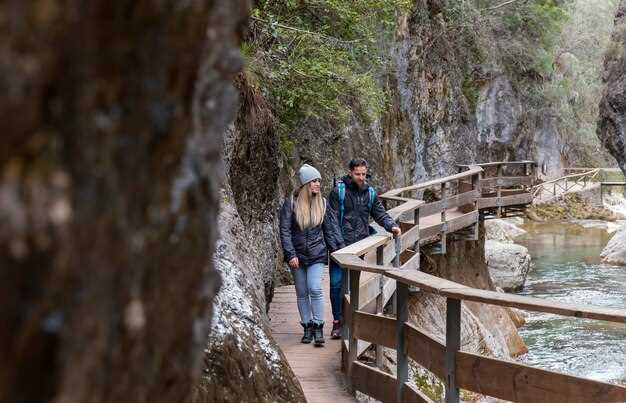
Un sentiero largo un metro fissato alla parete di una gola a cento metri sopra il fiume, ricostruito come percorso sicuro a senso unico attraverso il Desfiladero de los Gaitanes.
- Biglietto: 10 € standard, 18 € con guida ufficiale, fino a dieci biglietti a persona.
- Extra: parcheggio al centro visitatori circa 2 € al giorno, navetta circa 2,50 €.
- Orari: circa dalle 08:30 alle 17:00, con spostamento alle 09:00-16:00 in inverno.
- Prenotazione: i biglietti vengono rilasciati in lotti con data specifica sul sito ufficiale, e le date popolari spariscono rapidamente. Acquista direttamente.
- Verifica di realtà: è a senso unico e richiede due o tre ore inclusa la camminata fino all'ingresso. Non si può tornare indietro a metà.
Pico del Teide, Tenerife
Il punto più alto della Spagna, e l'unico in questa lista con un'quota giornaliera fissa.
- Permesso: il permesso Telesforo Bravo è richiesto per gli ultimi 200 metri fino alla vetta, che si arrivi con la funivia o a piedi.
- Quota: 200 persone al giorno.
- Rilascio: i posti si aprono settimanalmente, il lunedì alle 07:00 ora delle Canarie, tramite la piattaforma ufficiale.
- Costi: si applicano tariffe da gennaio 2026, quindi verifica la tariffa corrente alla prenotazione.
- Senza permesso puoi comunque prendere la funivia fino a 3.550 metri e percorrere i due sentieri panoramici, il che è sufficiente per la maggior parte dei visitatori.
Camminate che richiedono solo un orario degli autobus
- Ruta del Cares, Picos de Europa. Dodici chilometri di sentiero scavato in una gola tra Caín e Poncebos, pianeggiante per gli standard montani e spettacolare per tutto il percorso. Inizia presto: a mezzogiorno è affollato e senza ombra.
- Valle di Ordesa, Pirenei aragonesi. Bosco di faggi, cascate e un muro di calcare alla fine. In estate la strada di accesso è chiusa alle auto private e un navetta parte da Torla.
- Camí de Ronda, Costa Brava. Un sentiero costiero che collega calette e villaggi di pescatori. Percorri un tratto tra due paesi e torna in autobus.
- Cammino di Santiago. Non devi percorrere 800 chilometri: gli ultimi cento da Sarria a Santiago sono validi per la compostela e richiedono circa cinque giorni. Porta con te la credencial e timbrala due volte al giorno su quel tratto.
Acqua, vento e fauna selvatica
- Surf nei Paesi Baschi. Zarautz e Mundaka per il moto ondoso dell'Atlantico; settembre e ottobre sono i mesi migliori e l'acqua è più fredda di quella del Mediterraneo tutto l'anno.
- Canoa in kayak nelle calette della Costa Brava, raggiungibili solo via mare, da L'Escala o Palamós.
- Zone umide di Doñana, Andalusia. Tour guidati in veicolo in una delle più importanti riserve di uccelli d'Europa; l'accesso indipendente è limitato per una ragione.
- Avvistamento di balene e delfini al largo della Tenerife meridionale, dove vivono tutto l'anno capodogli residenti. Scegli un operatore con un'accreditazione per la fauna selvatica marina piuttosto che la barca più economica.
Alta montagna e vulcani
- Sierra Nevada, Granada. Sci in inverno con l'Alhambra a un'ora di distanza, e trekking ad alta quota in estate.
- La Palma, Ruta de los Volcanes. Un percorso lungo una cresta che segue una catena di crateri. Verifica gli accessi correnti prima di partire: parti dell'isola sono state rimodellate dall'eruzione del 2021.
- Montserrat, vicino a Barcellona. Rocce dentellate, un monastero e sentieri segnalati, a un'ora dalla città in treno e ferrovia a cremagliera.
- Somiedo o le valli dell'Aragona per la versione più tranquilla delle montagne, senza i gruppi di autobus turistici.
Quando andare
| Stagione | Adatto per | Da evitare |
|---|---|---|
| Primavera, da aprile a giugno | Andalusia, il Cammino, sentieri costieri | Alti Pirenei ancora sotto la neve |
| Estate | Spagna settentrionale, Picos, Pirenei, costa atlantica | Andalusia interna, dove 40°C è normale |
| Autunno | Ovunque; la stagione migliore in assoluto | Primi nevicate in quota da novembre |
| Inverno | Isole Canarie, sci in Sierra Nevada | Sentieri di montagna senza attrezzatura invernale |
Note pratiche
- Il caldo è il principale pericolo, non il terreno. La Spagna meridionale a luglio e agosto è pericolosa per le lunghe passeggiate dopo le 11:00.
- I parchi nazionali limitano l'accesso in alta stagione chiudendo le strade e facendo funzionare navette. Verifica sul sito del parco per l'organizzazione attuale.
- Prenota direttamente dove esiste un sistema di prenotazione. Sia per il Caminito del Rey che per il permesso del Teide esistono canali ufficiali; i rivenditori aggiungono costi senza aumentare la disponibilità.
- I trasporti pubblici si diradano la domenica nelle zone rurali, il che lascia più camminatori a piedi rispetto al maltempo.
FAQ
Serve un permesso per scalare il Teide?
Per gli ultimi 200 metri fino alla vetta, sì. Il permesso Telesforo Bravo è limitato a 200 persone al giorno e rilasciato settimanalmente il lunedì alle 07:00 ora delle Canarie. La funivia e i sentieri dei punti panoramici sotto la vetta non richiedono un permesso.
Quanto costa il Caminito del Rey?
10 € per un biglietto standard e 18 € con guida, più circa 2 € per il parcheggio e 2,50 € per la navetta. Acquista dal sito ufficiale.
Quanto tempo richiede il Caminito del Rey?
Da due a tre ore, inclusa la passeggiata di avvicinamento. È a senso unico, quindi pianifica la navetta di ritorno.
Qual è il periodo migliore dell'anno per fare escursioni in Spagna?
L'autunno, seguito dalla tarda primavera. L'estate va bene nel nord e sulla costa atlantica; l'Andalusia interna a luglio e agosto no.
Posso fare il Camino de Santiago in meno di una settimana?
Sì. Gli ultimi cento chilometri da Sarria richiedono circa cinque giorni e danno diritto alla compostela, a patto di raccogliere due timbri al giorno.
La Ruta del Cares è difficile?
Lunga più che ripida: circa dodici chilometri in ogni direzione, con esposizione a precipizi e quasi nessuna ombra. Porta acqua e parti presto.
Le regole sui permessi, i prezzi dei biglietti e le modalità di accesso in questa guida seguono le informazioni pubblicate dagli operatori e dai parchi nazionali. I contingenti, le tariffe e le chiusure stradali stagionali cambiano, quindi conferma sul sito ufficiale prima di viaggiare.
Sull'autore
Scritto dalla redazione di GetExperience, che ricerca e scrive le guide di viaggio su questo blog. Verifichiamo i contingenti e le regole di prenotazione con le fonti ufficiali dei parchi e specifichiamo quali esperienze richiedono pianificazione con mesi di anticipo e quali necessitano solo di un orario degli autobus.