


 Italiano
  English (UK)
  Русский
  বাংলা
বাংলা  العربية
  日本語
日本語  한국어
한국어  Magyar
  Norsk nynorsk
  Türkçe
  עִבְרִית
  Español
  Čeština
  Svenska
  Português
  Ελληνικά
  Suomi
Suomi  Nederlands
  Română
  Français
  Polski
  Українська
  Deutsch
  简体中文
简体中文  Slovenčina
  Српски језик
  اردو
اردو  Azərbaycan dili
  O‘zbekcha
  አማርኛ
አማርኛ 
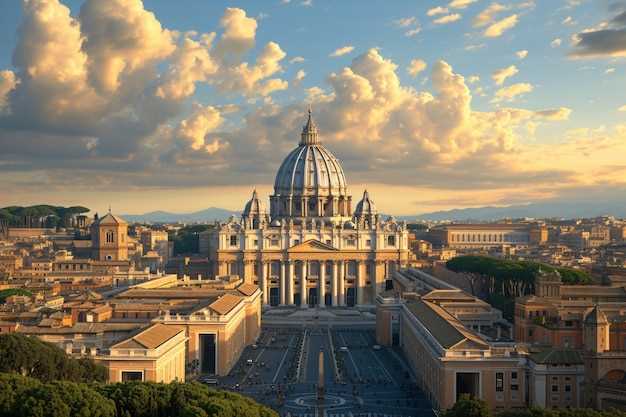
St. Peter’s Basilica, located in the heart of Vatican City, is not only one of the most famous churches in the world but also a stunning example of Renaissance architecture. With its facade designed by Gian Lorenzo Bernini and a breathtaking interior that houses priceless works of art, the basilica has captivated millions of visitors every year. Did you know that the structure is built upon the very site believed to be the burial place of Saint Peter, one of Jesus Christ’s apostles? This connection to the past adds a profound sense of reverence and importance to the site.
The basilica spans over 15 hectares, making it a monumental space that serves as a spiritual center for Catholics around the globe. Its grand dome, designed by Michelangelo, symbolizes the heavens, while the intricate details inside pay homage to saints and biblical stories. Additionally, the basilica has stood the test of time, evolving since its original construction under Emperor Constantine in the 4th century to its current form, which was completed in the 17th century under the guidance of architects like Carlo Maderno and Gian Lorenzo Bernini.
As you prepare for your visit, there are essential facts you’ll want to know to deepen your appreciation of this extraordinary site. From the rich history embedded in its walls to the masterpieces created by legends such as Raphael and Michelangelo, St. Peter’s Basilica is a window into both art and faith. Whether you are an adult explorer or a history enthusiast, understanding the stories behind the basilica will only enhance your experience as you walk through its sacred halls, absorbing the significance of each corner.
Unique Architectural Features of St. Peter’s Basilica
St. Peter’s Basilica is a masterpiece of Renaissance architecture, uniquely characterized by its grand scale and intricate details. The dome, designed by Michelangelo, dominates the skyline of Vatican City and serves as a striking visual landmark. At 136.57 meters (448.1 feet) tall, it is the tallest dome in the world and remains an iconic representation of the overarching ambition of the period’s architectural endeavors.
One of the most captivating aspects of the basilica is the use of gilt bronze in its design, particularly in the spectacular altar and the Baldachin by Gian Lorenzo Bernini. This meticulous work not only showcases the artistic genius of the time but also embodies the baroque spirit through its grandeur and opulence. The combination of intricate carvings, towering columns, and rich metals reflects the basilica’s role as a central place of worship for Catholicism.
The façade of St. Peter’s Basilica is equally impressive, stretching 114.69 meters (376.9 feet) wide. It was designed by Carlo Maderno and completed in the early 17th century. The façade features a central entrance flanked by grandiose columns and statues of saints, which invite visitors into the sacred space. This striking external appearance emphasizes the basilica’s stature and its importance as a place of pilgrimage.
Inside the basilica, visitors can explore the necropolis beneath the structure, where ancient tombs and relics have been found. This area provides a tangible connection to the early Christian community and the roots of the Catholic Church. The historical significance of these tombs, coupled with the stunning interiors of the basilica, allows one to experience a profound sense of spirituality and history.
In addition to its architectural splendor, the basilica also incorporates a unique feature known as the “Tomb of St. Peter.” Believed to be the burial site of the apostle, this sacred place has attracted countless pilgrims over the centuries. The tomb is marked by a simple altar, creating a solemn ambiance that draws visitors seeking to pay their respects and deepen their faith.
Lastly, the use of light within the basilica is strategically designed to enhance its beauty and invoke a sense of awe among visitors. Numerous windows allow natural light to flood the space, illuminating the artwork and creating a serene atmosphere. This careful consideration of light and space is fundamental to the basilica’s enchanting aura, ensuring that everyone who steps inside can truly enjoy the splendor of this holy place.
The Dome’s Design and Inspiration
The dome of St. Peter’s Basilica, a masterpiece of Renaissance architecture, stands as a significant symbol of the Vatican and Roman Catholicism. Designed by Michelangelo, whose genius also inspired the works of notable artists like Bernini and Maderno, the dome is integrated into the overall design of the Basilica. When Michelangelo took over the project, he aimed for a structure that reflected grandeur and spirituality, making it a central focal point of the church, and it became one of the tallest dome structures in the world, soaring over 130 meters.
Building on the original design, Michelangelo’s vision was completed by others, particularly Giacomo della Porta, after his death. This collaboration has ensured that the dome aligns with the grand facade of the Basilica, drawing visitors’ attention from all angles, especially during high season when the sunlight beautifully illuminates the gilded apex. Each layer of the dome features intricate detailing, which highlights not only artistic skill but also the commitment to conveying the glory of God through architecture.
The design of the dome was inspired by the Pantheon in Rome, and its circular shape symbolizes unity. Moreover, the Basilica’s location as a tribute to Saint Peter, the first pope and martyr, adds significant spiritual importance. Within the dome, you can find other monuments and artistic works that enhance the overall worship experience for those who visit. The layered structure incorporates historical and spiritual elements, aligning with the Vatican’s aim to inspire the faithful.
Visitors often discuss how the staircase leading up to the dome offers one of the most rewarding views in Vatican City. Ascending the staircase, which winds tightly within the dome, allows you to witness fascinating details of the architecture up close. Looking down, you see the expansive interior of the Basilica below, while looking up reveals the beautifully painted interior of the dome itself, crafted by artists like Rafael. This unique perspective truly encapsulates the “joy” of experiencing such a magnificent structure.
During jubilee years, special events and ceremonies are held within the Basilica, where the dome serves as a backdrop for celebration. The atmosphere becomes electric, and the dome’s presence enhances the spiritual experience for thousands of visitors who gather to participate in these significant moments. People find themselves captivated by its grandeur and the way it frames the sky–a constant reminder of the profound connection between heaven and earth.
In summary, the dome of St. Peter’s Basilica is not merely an architectural feat but a spiritual icon that embodies the history of the Roman Catholic Church. Its creation involved great minds and artistry, making it unique among other monuments in Vaticana. Whether you are an art lover, a history enthusiast, or someone seeking spiritual enlightenment, the dome of St. Peter’s Basilica is a must-see, inviting you to ponder its magnificence and the stories it holds within its walls.
The Use of Light in the Basilica
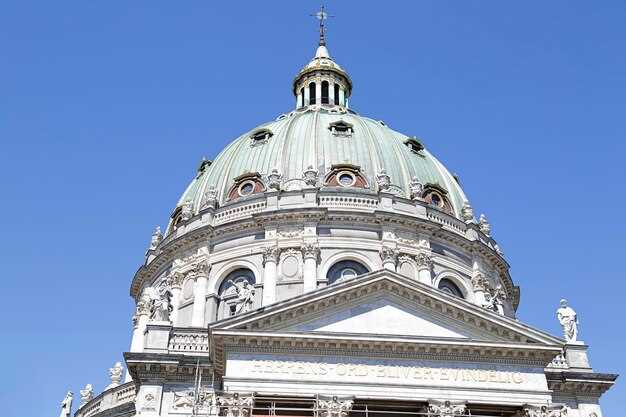
St. Peter’s Basilica is renowned not only for its architectural grandeur but also for its masterful use of light. This element plays a crucial role in creating an atmosphere that enhances the experience of visitors. The basilica’s design, conceived by architects like Michelangelo, incorporates strategically placed windows and dome openings that allow natural light to flood in, illuminating its stunning artworks.
The famous dome, designed by Michelangelo, rises an impressive 136 meters high. This height enables a unique interplay between the sun’s rays and the interior space, creating dynamic shadows and highlights throughout the day. In April, for instance, at specific times, the light streams through the oculus of the dome, casting a divine glow on the altar and emphasizing important religious icons.
- Natural illumination aligns with the church’s spiritual symbolism.
- The interaction of light and architecture elevates the emotional experience for worshippers.
- Each day offers a different light show, turning the basilica into a living artwork.
Moreover, the use of light also signifies deeper meanings within the basilica. For example, the dominant light in the Church is often seen as a representation of God’s presence. The way it highlights certain tombs, like those of former popes, adds to the sacred atmosphere, guiding visitors emotionally through the monumental space.
This extraordinary design extends beyond simple aesthetics; it engages visitors in spiritually reflective moments. As people stand in various chapels, such as the Chapel of the Pietà, they are enveloped in light that seems to caress the sculptures, rendering them almost lifelike and inviting personal contemplation.
- Light dictates the viewing experience within key areas of the basilica.
- It creates a soothing environment, encouraging meditation and prayer.
- Visitors can truly enjoy the masterpieces that adorn the walls, such as Bernini’s altarpiece.
Conclusively, the artful manipulation of light at St. Peter’s Basilica is not merely an architectural choice but a profound aspect of its design. Hence, every adult and child visiting the Vatican in the summer can appreciate the way light interacts with this holy space, ensuring an unforgettable experience. Whether one visits during a crowded July afternoon or a quiet morning, the basilica remains a monument where light and faith converge beautifully.
Materiali Utilizzati in Costruzione
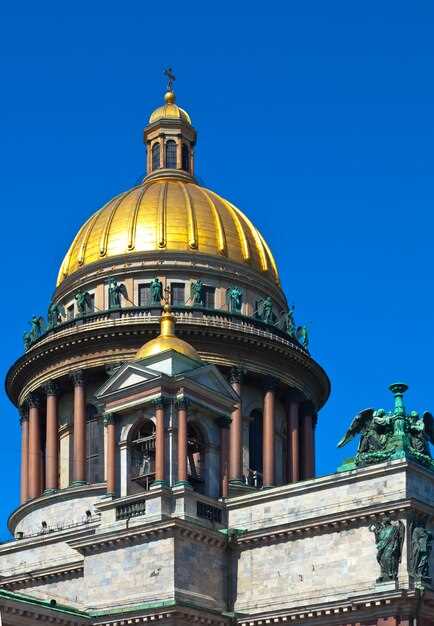
The construction of St. Peter’s Basilica, known as Sint-Pietersbasiliek, involved an impressive selection of materials that underscore its grandeur. The used bricks and concrete were essential for building the robust structure capable of lasting centuries. The main dome, or koepel, designed by Michelangelo, was constructed using a combination of lightweight materials, enabling it to reach heights of 136 meters. This innovation made the dome not only a significant architectural achievement but also a stunning visual centerpiece above the altar that holds the Tomb of St. Peter.
One of the most notable features of the basilica is its lavish use of decorative elements. Bronze, gilded accents, and intricate sculptures graced various areas, showcasing the wealth of the Vatican. The famous baldachin over the altar, designed by Gian Lorenzo Bernini, was made of bronze sourced from the Pantheon, combining historical significance and artistic brilliance. The structure’s features reflect the rich Roman heritage, while the impressive filarete columns stand as a testament to Renaissance artistry.
Construction materials were sourced from various regions, creating a blend of styles that are unmistakably Roman. The portico, or buiten area facing the piazza, serves as an inviting entrance and is adorned with rich marble that contributes to the overall tone of the basilica. The selection of local Roman materials and those brought from distant places highlight the universal significance of this religious site. Over the course of its construction, spanning more than a century, the basilica has evolved, incorporating materials that were deemed worthy of such a powerful place.
Visitors can appreciate the intricate details in the various elements of the basilica by exploring both the interior and exterior. The impressive scale and design choices contribute to the overwhelming sense of grandeur experienced upon entering. Whether it’s the towering marmor columns or the elegantly crafted tombstones in the vicinity, each material tells a story of devotion and artistry. Understanding these materials allows one to appreciate the significance of this masterpiece and the historical context surrounding its construction, making it an essential aspect of the world-renowned basilica.
Historical Significance of St. Peter’s Basilica
St. Peter’s Basilica, located in Vatican City, is one of the most revered sites in Christianity. Construction began in the early 16th century, replacing an older basilica that was believed to sit over the tomb of Saint Peter, one of Jesus’ apostles. This location has profound historical significance as it marks the site where Peter was crucified and buried. Throughout the years, the basilica has become a symbolic representation of the Catholic Church’s power and authority.
The design of St. Peter’s, primarily crafted by architect Michelangelo, showcases an impressive blend of Renaissance art and architecture. The facade of the basilica stretches wide, inviting visitors to tread the sacred ground where countless people have worshipped. Its vast interior, composed of massive columns and intricate chapels, reflects the grandeur of the Catholic faith. When standing beneath the dome, one cannot help but be overwhelmed by the spiritual atmosphere that has captivated millions.
In addition to its architectural brilliance, St. Peter’s Basilica hosts remarkable works of art. Among them is the famous Pietà sculpture by Michelangelo, which depicts the body of Jesus in the arms of his mother, Mary. This artwork is positioned in the chapel area and draws the attention of many visitors who take the time to ponder its emotional depth. The basilica is also a central hub for significant religious events, especially the Easter celebrations that attract large crowds each April.
The basilica’s historical significance extends beyond its religious function; it is also a symbol of the Vatican’s political power. Throughout history, various popes have used the site to affirm their leadership and convey messages to the world. The grandeur of St. Peter’s Basilica has served as a backdrop for important announcements and ceremonies, making it a point of intersection between the spiritual and the temporal.
Today’s visitors can access St. Peter’s Basilica through various means, including online ticket purchases, to avoid long queues. The Vatican Museum offers tickets to explore not only the basilica but also the impressive collections of art and religious artifacts housed within its walls. Including the Grottoes, where tombs of popes and other significant figures lie in repose, this area connects the living with the legacy of the church’s history.
In conclusion, St. Peter’s Basilica stands as a monumental testament to the intertwining of faith, art, and history. Its location next to St. Peter’s Square (Sint-Pietersplein) and the vast grounds covering approximately 15 hectares reflect its significance. The basilica’s enduring influence will continue to draw people to witness its beauty and spiritual importance, solidifying its status as a key point of pilgrimage and worship for generations to come.