


 English (UK)
  Русский
  বাংলা
বাংলা  العربية
  日本語
日本語  한국어
한국어  Magyar
  Norsk nynorsk
  Türkçe
  עִבְרִית
  Español
  Čeština
  Svenska
  Português
  Ελληνικά
  Suomi
Suomi  Nederlands
  Română
  Italiano
  Français
  Polski
  Українська
  Deutsch
  简体中文
简体中文  Slovenčina
  Српски језик
  اردو
اردو  Azərbaycan dili
  O‘zbekcha
  አማርኛ
አማርኛ 

The Royal Alcazar of Seville is more than just a palace; it’s a testament to the rich tapestry of Spanish history. This must-see landmark, built in the 14th century, serves as a striking example of Mudejar architecture, showcasing a variety of intricate tile decorations and stunning walkways. Within the walls of this magnificent complex, visitors can explore a collection of historical halls, patios, and gardens that have served royalty for centuries. The beauty of the Alcazar often leaves crowds in awe, especially during a guided evening tour, where the soft light highlights the regal architecture of this iconic structure.
Originating as a modest fortress, the Alcazar was transformed into a royal palace by the Christian monarchy, exemplifying a seamless blend of Christian and Islamic design. From the impressive Salone de los Ambassadors to the tranquil gardens of the Patio de las Doncellas, every corner of this palace tells the story of the dynasties that have called it home. As you walk through its grand corridors, you might even imagine the grand banquets and royal festivities that took place within these very walls, giving life to the castle’s long-standing legacy.
Beyond its architectural grandeur, the Royal Alcazar also offers a captivating glimpse into the daily life of Spanish royalty. Visitors can explore the lavish living quarters and relive the exhilarating moments that shaped Spain’s history. With online booking available for those wishing to purchase tickets ahead of time, visiting the Alcazar is an experience that should not be missed, whether you’re a history buff or simply looking to soak in the beauty of Seville’s rich cultural heritage. So, prepare yourself for an unforgettable journey through time at one of Spain’s most treasured landmarks, where every stone and tile contributes to a greater narrative that has been lovingly preserved through the centuries.
Planning Your Visit to the Alcazar
Visiting the Royal Alcazar of Seville is a must for anyone seeking to explore a place filled with rich history and palatial beauty. This site, shaped by various influences throughout its history, has been the residence of kings and a central location for key events spanning centuries. To fully experience this major attraction, planning is essential.
The Alcazar is built in the style of Mudejar architecture, where intricate arches and stunning marble details tell a story of the Islamic period in Spain. In the 14th century, the castle was expanded, adding onto the existing structures and creating a breathtaking array of halls, known as salones, that showcase Spain’s historical evolution. Ensure your visit includes the stunning gardens, which are designed as a sunken paradise near the plaza, raised above the surrounding landscape.
For those looking to enhance their sightseeing experience, a variety of tours are available. These tours delve into the symbolism of the buildings, including the impressive Cuarto Real and the beautifully adorned Audiencias. Online reservations are highly recommended to avoid long waits, especially during peak tourist seasons. The Alcazar attracts visitors from all over the world seeking a glimpse into the past, making it a lively place for concerts and cultural events.
Your visit should also include ample time for photos; it’s a location where every angle has a captivating backdrop. Take the opportunity to capture images in the central plaza and along the rich corridors that remain well-preserved since the Christian reconquest. Understanding how the building has continued to evolve through different regimes, including the influences from Arabia and later the Indies, will deepen your appreciation for this historical landmark.
In summary, when planning your trip to the Alcazar, consider the rich story it houses–an architectural marvel that has stood the test of time and remains a crucial piece of Spain’s royal history. Enjoy your time exploring this unique attraction, where history and beauty are seamlessly intertwined.
Best Times to Visit for Fewer Crowds
To truly appreciate the Royal Alcazar of Seville, it is essential to plan your visit during times when the queues are lower. The best periods to explore this magnificent attraction are typically during the shoulder seasons: late fall and early spring. During these times, specifically from November to early December and from March to April, the weather remains pleasant, and tourism peaks are lower.
Visiting on weekdays, particularly Tuesday through Thursday, can also help you avoid the influx of weekend tourists and families. Additionally, consider arriving at the opening hour, as this grants you early access to the gardens and various quarters of the Alcazar, featuring stunning tiles and multi-lobed arches from the almohad period.
The key attractions–including the beautiful mudéjar architecture and the enchanting salones–draw visitors year-round, but with strategic planning, you can see these sites almost alone. While these historical buildings are must-see features, taking the time to wander beyond the main paths can reveal quieter spots, ideal for reflection and photography.
In conclusion, if you want to experience the Royal Alcazar’s rich cultures and history without the crowds, aim for the lower tourist seasons, visit during weekdays, and arrive early. This approach not only enhances your enjoyment but allows you to connect with the essence of this remarkable site and its long-standing heritage.
Opening Hours and Ticket Information
The Royal Alcazar of Seville boasts an impressive architectural history that spans centuries, with influences from Roman, Islamic, and Christian cultures. Visitors can explore this unique fortress and its intricately painted ceilings, marble floors, and tranquil ponds at specific times throughout the year.
During the summer months, the Alcazar’s opening hours are extended to accommodate the influx of tourists. Typically, from April to September, the site opens its gates at 9:30 AM and continues to welcome guests until 9:00 PM, allowing plenty of time to experience its glorious history and architectural beauty. In contrast, from October to March, the Alcazar operates from 9:30 AM to 5:00 PM, offering a more intimate experience for visitors who prefer quieter times.
Tickets can be purchased at the gate, but to avoid lengthy queues, it is advisable to buy them online in advance. The standard ticket price offers access not only to the main areas of the Alcazar but also to the beautiful gardens that are often praised in reviews. Special guided tours are also available, allowing guests to delve deeper into the stories behind the intricate designs and historical significance of the site.
For those planning a visit, it is worth noting that the Alcazar’s rich history and unique atmosphere, highlighted by its remarkable architecture, make it a major draw for tourists. Therefore, arriving early – or even later in the day during summer – can enhance the overall experience. Whether it’s the stunning bedroom known as Casa de Muñecas or the western terrace where you can toast to the beauty of Seville, the Royal Alcazar is a destination that should not be missed.
Accessing the Alcazar: Public Transport Options

Visiting the Royal Alcazar of Seville is a must for fans of stunning architecture and rich history. Accessing this palatial masterpiece can be made simple with various public transport options available to you. Getting to the Alcazar is often straightforward and convenient, whether you are coming from the heart of the city or beyond.
Seville boasts a well-connected public transport system that includes buses, trams, and even a metro line. Many visitors prefer to take the bus, which offers numerous routes flanked by the city’s vibrant streets and outdoor spaces. The most common bus routes that serve the area include lines 5, 21, and 27, all providing easy access to your entry point at the Alcazar.
If you are arriving from the iconic Plaza de España, a picturesque walk to the Alcazar will reveal its impressive walls and exotic gardens. This stroll features a variety of citrus trees and ensures you are surrounded by the beauty of Seville. Additionally, the distance is manageable, making it an enjoyable part of the journey to the castle.
The tram system also connects with the Alcazar, specifically through the T1 line, which stops at various key points throughout the city, including the impressive Casa de Pilatos, another historical landmark. For those preferring to book a guided tour, expert guides are available for special contratación, ensuring that you glean the most from your experience and hear the story of the Alcazar’s unique history.
In terms of timing, it is advisable to plan your visit in advance to avoid long queues, especially during peak seasons. Booking your entry ticket online allows you to skip the lines and head straight to marvel at the spectacular interiors that are often filled with intricate tiles and decorations. Remember that the Alcazar features unique rooms, including the famous lion bedroom, where royal marriages were once celebrated.
For those who enjoy exploring at their own pace, the Alcazar’s website provides a comprehensive guide detailing the various transportation options, enabling you to choose what suits you best. Whether by bus, tram, or an enchanting walk, your journey to the Alcazar will contribute to an unforgettable experience, showcasing why this site stands among the most treasured palaces in Spain.
Exploring the Main Attractions Within the Alcazar
The Royal Alcazar of Seville is a treasure trove of history and architecture that offers a captivating glimpse into the past of Spain’s royalty. As you explore its extensive grounds, you’ll discover a variety of attractions that reflect the unique blend of cultures that have influenced this stunning fortress.
-
Mudejar Palaces: The original structures showcase the exquisite Mudejar style, characterized by intricate tile work and beautiful arches. These palaces are often flanked by lush gardens and offer an intimate space to appreciate the craftsmanship of the era.
-
Gardens of the Alcazar: The gardens are a true highlight, with their sunken ponds, classical fountains, and carefully manicured hedges. As you stroll through, take time to enjoy the variety of plants and flowers that have adorned these grounds for centuries.
-
Audience Room: This is where royalty once held court, and it has retained its grandeur over the years. The walls are painted in vibrant colors that showcase historical scenes, providing insight into the life of Mohammed and his court.
-
Juan’s Bedroom: An intimate room that appears small but is rich in details and history. It’s a perfect example of the work that has gone into maintaining the Alcazar’s original character, allowing visitors to glimpse the personal space of past royals.
-
Arches and Walls: The architecture features classic arches that raise the ceilings and walls that tell stories from the past. Each room is a testament to the craftsmanship of the builders and the rich history that surrounds them.
-
Nearby Cathedral: The proximity of the Cathedral of Seville adds another layer of intrigue, creating a fascinating contrast between the two monumental structures. It emphasizes the spiritual and political significance of the area during various times in history.
To fully enjoy the experience, it is advisable to book tickets in advance, especially during peak tourist times. Insiders recommend visiting early in the morning to avoid the crowds and ensure a more personal experience while navigating through the intimate rooms and expansive gardens. With credit-worthy details and the ongoing work to preserve its integrity, the Royal Alcazar of Seville is certainly a must-see when in the capital of Andalusia.
The Alcazar not only serves as a historical monument but also continues to be a living testament to the rich tapestry of cultures that have shaped its existence. Don’t miss the opportunity to delve into the artistry and history of one of the most significant royal residences in Spain.
The Mudéjar Palace: Key Features to Note
The Mudéjar Palace, a stunning integral part of the Royal Alcázar of Seville, showcases the remarkable blend of Islamic and Christian architectural styles that define this historical site. Created during the 14th century, this palace stands as a testament to the rich history of Sevilla, reflecting the era when the region was under the influence of Mudéjar craftsmen.
Key features to note about the Mudéjar Palace include:
- Architectural Style: The Mudéjar style is recognized for its unique combination of classical Roman architecture and Islamic decorative elements. The palace boasts intricate tile work, wooden coffered ceilings, and beautifully painted walls, creating an alluring atmosphere.
- Mosaics and Tiles: The extensive use of tiles is one of the most distinctive features. These decorative tiles are not only visually striking but also tell a story about the cultural fusion that characterized Seville throughout its history.
- Gardens: The sunken gardens surrounding the palace enhance its beauty and serenity. These green spaces are ideal for visitors seeking a peaceful environment amid the architectural splendor.
- Salones and Cuartos: The palace includes several grand halls (salones) and smaller rooms (cuartos), each uniquely decorated. These spaces served as venues for royal gatherings, illustrating the life of kings throughout the ages.
- Puerta de la Alcoba: The main entryway, known as the Puerta de la Alcoba, is embellished with intricate woodwork and defines the transition between the outside world and the palace’s inner sanctum.
Visiting the Mudéjar Palace offers an opportunity to step back in time and experience the architectural innovation of the past. Each element within the palace has been preserved, ensuring that every visitor can appreciate the historical narrative embodied within these walls.
For those planning a trip, the official website provides information on entry fees and opening times. Hiring a guide can enhance the sightseeing experience, allowing visitors to grasp the significance of each feature in the context of Seville’s history.
The Mudéjar Palace, with its decorative artistry and rich heritage, truly stands out as a major highlight of the Royal Alcázar of Seville, inviting people from around the world to explore its beauty and history.
The Gardens: A Guide to the Must-See Areas
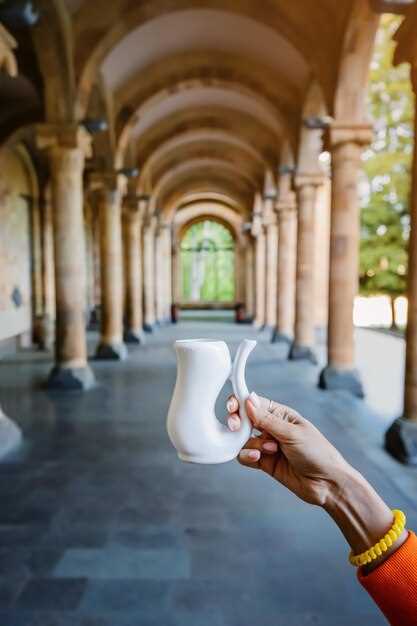
The Royal Alcazar of Seville is not only renowned for its stunning architecture but also for its breathtaking gardens. These gardens feature a rich collection of exotic plants and symbolize the beauty of life in harmony with nature. As you wander through the various quarters of the gardens, you’ll find plenty of spectacular sights that have been carefully curated to reflect the city’s vibrant history.
One of the must-see areas is the Gardens of the Reales Alcazares, where you can purchase a ticket to experience this classic attraction. These gardens are transformed by intricate plasterwork and topped with delightful fountains that provide a refreshing atmosphere. The mudéjar style incorporated within these gardens is a result of the cultural interplay between the Christian and Muslim dynasties that have shaped Spain’s history.
As you explore, don’t miss the central square that serves as the heart of the gardens, surrounded by lush greenery and historical structures. The entire area is designed to offer a unique experience where visitors can relax and appreciate the meticulous landscaping showcasing a rich variety of flora.
For those who wish to delve deeper into the garden’s secrets, certain events are held throughout the year, featuring guided tours that highlight the fascinating symbolism behind the different plants and architectural elements. These tours are particularly enlightening and allow guests to connect with the rich narrative that the palacio and its gardens have to offer.
As you stroll along the pathways, take time to admire the various rooms and halls that have been intricately linked to the surrounding garden spaces. Each area tells a story, revealing things like the significance of specific plant species and their arrangements, all meticulously alternated to create a balanced aesthetic.
The gardens of the Alcazar have certainly brought joy to many and remain a key attraction for anyone visiting Seville. To make the most out of your visit, it’s advisable to plan ahead and check the official website for any updated information regarding ticket sales and special events. Next time you find yourself in Seville, don’t miss the opportunity to experience the gardens that lie beyond the grand walls of the Alcazar.
A Tour of the Royal Chambers and Their History
The Royal Alcazar of Seville is a spectacular example of the rich history of Spain, serving as a capital of both the Muslim and Christian periods. This magnificent palace complex has been a center of power since its inception, showcasing a variety of architectural styles that reflect its evolution over the centuries.
Originally built as a Moorish castle during the Al-Andalus period, the Alcazar has undergone numerous transformations. Each dynasty added their unique touch, resulting in intricate motifs and designs that allure visitors today. The chambers, once used by the royals, open a window into the lavish lifestyles of past monarchs, particularly highlighting the influence of notable figures such as Mohammed and later Christian rulers.
As you wander through what was once a castle, you’ll encounter stunning courtyards and ponds that were indicative of the Arabia aesthetic. The capital’s rich history has ensured that the stories of these royal chambers are not simply tales of luxury but are intertwined with Spain’s narrative of power and resilience.
One cannot discuss the royal chambers without mentioning the famous Casa of the Alcazar, where events of significant historical importance took place. This area is certainly a highlight of your tour, providing an example of the architectural splendor that awaits inside. The ornate ceilings and lavish decorations remind visitors of Sevilla’s golden age when it was a leading city of the Indies.
Queues can form during peak sightseeing seasons, but the best way to experience the Alcazar is through guided tours. Insiders often recommend visiting during off-peak hours, allowing for a more intimate exploration of the historical chambers. Temperatures can rise, so be prepared while you delve into the layered story of this majestic site.
The combination of Gothic, Renaissance, and Moorish styles creates a harmonious blend that is, without a doubt, impressive. From the grandeur of its halls to the secluded beauty of its gardens, the Royal Alcazar is a testament to the intricate tapestry of history that defines this city’s soul.
For those planning to visit, be sure to check their official website for updated information and a deeper understanding of the events that have shaped this incredible landmark. The Alcazar, a genuine treasure of Seville, is waiting for you to uncover its past.