


 English (UK)
  Русский
  বাংলা
বাংলা  العربية
  日本語
日本語  한국어
한국어  Magyar
  Norsk nynorsk
  Türkçe
  עִבְרִית
  Español
  Čeština
  Svenska
  Português
  Ελληνικά
  Suomi
Suomi  Nederlands
  Română
  Italiano
  Français
  Polski
  Українська
  Deutsch
  简体中文
简体中文  Slovenčina
  Српски језик
  اردو
اردو  Azərbaycan dili
  O‘zbekcha
  አማርኛ
አማርኛ 
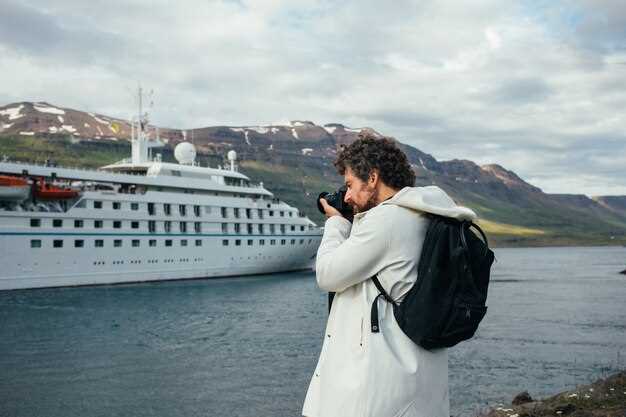
The world of cruising offers a multitude of opportunities for adventure, exploration, and relaxation, making it an ideal choice for multi-generational travel. In this article, we delve into Lonely Planet’s The Cruise Handbook, a solid resource designed to assist travelers at every level of cruising experience. Whether you are a seasoned cruiser or pondering your first voyage, this guide provides comprehensive suggestions that cover everything from elegant staterooms to the intricate details of cruise lines like Carnival and Avalon.
As you embark on your journey through the pages of this handbook, you will find yourself fully equipped with a thorough overview of various cruise locations, pricing structures, and the unique requirements needed for different cruises. The handy tips and guidelines included are invaluable, especially when planning your itinerary, whether it leads you to the stunning landscapes of Passau or the vibrant culture of Budapest. Each location introduces its own charm and challenges, helping you to stay informed and engaged during your sailing adventures.
What can you expect from this guide? The authors address common questions and concerns, ensuring that you are never left in the dark about documentation, airfare, or stateroom specifics. The thoughtful organization of the topics makes it easy to flick through and find relevant information, allowing you to tailor your cruising experience to suit your personal style. In the ever-evolving world of travel, this handbook is a must-have for anyone looking to maximize their enjoyment while minimizing costs and challenges associated with cruising.
Understanding the Cost Structure of Cruise Lines

The cost structure of cruise lines can vary significantly based on several factors, including the type of cruise, location, and the company itself. Luxury cruises tend to have a higher price tag, yet they offer an array of premium services, from exquisite dining options to exclusive shore excursions. Norwegian Cruise Line, for instance, is well-known for its innovative offerings and unique itineraries that attract affluent travelers looking for unforgettable experiences. It’s essential to understand what your money goes towards when selecting a cruise.
When looking at a cruise package, travelers must be aware of the various components that contribute to the overall cost. The primary costs include the stateroom, onboard activities, meals, and entertainment. However, there are additional expenses, such as wine and liquor packages, excursions at ports of call, and gratuities, that can add to the final bill. Many cruise lines provide details on these extra costs, helping guests make well-informed decisions while planning their beautiful voyages.
Many cruise companies also offer promotional deals that can significantly reduce the expenses of cruising. For example, early booking discounts, loyalty programs, and all-inclusive packages can make a cruise more affordable. Travelers should compare these variations to maximize their experience and ensure they receive the best value for their money.
| Cost Component | Estimated Cost |
|---|---|
| Stateroom | $100-$700 per night |
| Meals (not inclusive) | $15-$50 per day |
| Drinks (alcohol) | $7-$20 per drink |
| Shore Excursions | $50-$300 per tour |
| Gratuities | $10-$15 per person per day |
Another critical aspect to consider is the itinerary. Cruise lines with stops in renowned cities can carry additional costs due to the excursions offered. Some travelers might expect to spend a lot more, while others, who are knowledgeable about their destination, might seek alternative, budget-friendly options. Regardless of the choices made, planning will greatly help in managing costs effectively while also providing inspiration for future travels.
Ultimately, understanding the cost structure of cruises can help travelers avoid unpleasant surprises. Although some expenses are inevitable, doing proper research ensures that guests know what to expect on their journey. This means asking questions about the daily costs involved and how these relate to the benefits offered. With careful consideration, the experience can indeed become a perfect way to explore new horizons without breaking the bank.
What Factors Influence Daily Cruise Costs?
Understanding the costs associated with cruising depends on various factors that can influence what guests expect to pay during their journey. One primary component is the selection of the cruise line; for instance, those traveling with Norwegian might enjoy a different pricing structure than those on an expedition cruise with Geoffrey and Avalon. Additionally, the choice between stateroom categories, such as suites versus standard cabins, will greatly affect costs. Furthermore, the time of year plays a significant role–August often sees higher pricing due to peak tourist season. Offer deals and promotions can provide significant savings, especially for older ships that may be trying to attract active cruisers.
Throughout the journey, guests may also incur additional costs based on on-board activities and excursions. For example, excursions along the Wachau Valley and Passau may come with a premium price tag, while complimentary amenities can vary by cruise company. Documentation requirements can also influence costs, as necessary paperwork for international travel may lead to extra fees or time-consuming processes. As this article outlines, it’s crucial for cruisers to thoroughly evaluate these factors to ensure that their cruise aligns with their personal travel dreams and expectations, making the most of their experience on the Danube.
Comparing Base Prices vs. Added Expenses
When travelers consider a cruise, they often focus on the enticing base price advertised by various lines. However, this figure can be misleading, as it often excludes a myriad of additional costs associated with the journey. Instead of a straightforward expense, cruisers need to look beyond the headline rates to have a clearer picture of their total financial commitment. The Lonely Planet’s Cruise Handbook provides a wealth of knowledge to help travelers navigate these complexities.
Most cruise lines operate on a model where the base fare covers accommodations, some meals, and basic entertainment. While this might seem great, many lines charge extra fees for specialty dining, excursions, and even essential services like gratuities and liquor. If you’re planning a luxury cruise experience, it’s crucial to account for these added expenses. Failure to do so can result in a significantly higher overall cost than initially anticipated.
Moreover, the number of activities available on board often correlates with the level of expense incurred. Active travelers who love to participate in onboard workshops, classes, and wellness programs will find that these offerings frequently come at an additional charge. For those aboard a cruise ship that traverses stunning coastline vistas, the view from the window can be breathtaking, but keep in mind that certain scenic excursions might also cost extra.
Gratuities are another area where costs can add up. Some lines automatically add a daily gratuity fee to your onboard account, which can lead to confusion for first-time cruisers. This daily charge is often a hard pill for budget-conscious travelers to swallow, especially when they weren’t expecting it. Understanding these policies upfront can help you plan your budget more effectively and enjoy your trip without mental math on arrival.
Additionally, some travelers might find themselves surprised by the price of upgrades and special amenities. A cabin with a window view might seem like the perfect choice, but the price can escalate quickly if you opt for additional luxury features. While the idea of enjoying a room with a view can inspire wanderlust, it’s important to weigh the overall benefits against potential costs throughout your journey.
Ultimately, preparation is key. The tips and insights provided in the Cruise Handbook serve as excellent guidance for future cruisers. By asking the right questions and thoroughly planning their itinerary, travelers can manage their budgets effectively. After all, understanding the difference between base prices and added expenses will allow them to truly enjoy the beauty of their cruising adventures without financial stress.
Discounts and Promotions: What to Look For
When planning a cruise adventure, one of the most valuable elements to consider is the various discounts and promotions that are often available. Many cruise lines offer special deals during the offseason, which can significantly lower the overall costs of your journey. For instance, travellers looking to sail through the Danube River should know that discounts can be targeted towards specific itineraries, including longer stays that span several nights. These offers may include reduced rates for upper-deck accommodations or even complimentary items such as onboard wine tasting events. To fully benefit from these promotions, fans of cruising should constantly stay informed through guidebooks and online platforms.
In addition to seasonal promotions, there are often discounts based on group travel or loyalty programs that frequent cruisers can take advantage of. It’s crucial to keep an eye on guidelines set by cruise officers, as they might change throughout the year. Some promotions might also include gratuities or onboard credits, allowing you to further enhance your cruising experience without stretching your budget. To get inspiration for your next voyage, don’t hesitate to check the cruise company’s website regularly or sign up for newsletters to ensure you’re the first to know about any special offers. Overall, understanding the breadth of deals available can transform your cruising dreams into reality.
Seasonal Variations in Pricing
Cruising is an experience that offers guests a blend of relaxation and adventure, but understanding the seasonal variations in pricing is essential for planning the most cost-effective trip. The cruise industry, influenced by demand alongside weather patterns, shows significant fluctuations in fare depending on the time of year. When you know these changes, you can better plan your itinerary to achieve your ideal vacation.
Typically, peak seasons in popular regions, such as the Mediterranean or Caribbean, begin during school holidays and summer months. During these times, families are more likely to book cruises, which drives up prices. In contrast, the offseason can provide substantial savings, where fewer guests mean lower prices for cabins, suites, and other accommodations. For example, traveling to fjords in spring or early autumn, just before and after the primary tourist rush, can yield dramatic discounts.
Furthermore, it is crucial to consider that certain cruise lines might have specific policies regarding pricing adjustments. In some cases, if you book early, you can lock in a rate, benefiting from additional promotional inclusions offered only during this period. Conversely, last-minute deals may present opportunities for spontaneous travelers who are flexible or those who feel comfortable taking the plunge without fine details.
In looking at the details provided in cruise handbooks, you often find comparisons of various cruise lines and their pricing structures. This information can help you navigate your options, ensuring you choose a ship that fits your budget while also aligning with your idea of a cultural experience. You wouldn’t want to overlook the offerings of smaller cruise companies, which may have unique route options and tailored experiences.
Another essential factor to weigh into the calculation is the potential for cabin upgrades or suite categories that might become available on certain nights. Some cruise lines provide an opportunity to book a lower-category cabin while allowing you to upgrade should there be availability upon embarkation. This can be incredibly advantageous if you’re flying into a city like Vienna, where accommodation typically adds to the overall travel expenses.
Online reviews can serve as a great resource when considering this topic. Many guests share their experiences regarding pricing and the best times to book their adventures. This can shed light on trends you might not find elsewhere, allowing you to create an informed plan that maximizes both the fun and financial aspects of cruising.
Ultimately, the key takeaway surrounding seasonal pricing is to remain proactive. Planning ahead and keeping a narrow focus on core objectives ensures that you won’t miss opportunities for great deals. Always remember that even within the busy seasons, there is still potential for competitive pricing, provided you are willing to do your research and stay persistent in your booking efforts.
In conclusion, whether you seek a balcony suite to enjoy views of coastal landscapes or something more budget-friendly, understanding the dynamics of seasonal pricing is paramount. This knowledge not only enhances the overall cruising adventure but allows you the freedom to enjoy the beautiful environments–be it breathtaking fjords or culturally rich cities–without feeling overly burdened by costs.