


 Magyar
  English (UK)
  Русский
  বাংলা
বাংলা  العربية
  日本語
日本語  한국어
한국어  Norsk nynorsk
  Türkçe
  עִבְרִית
  Español
  Čeština
  Svenska
  Português
  Ελληνικά
  Suomi
Suomi  Nederlands
  Română
  Italiano
  Français
  Polski
  Українська
  Deutsch
  简体中文
简体中文  Slovenčina
  Српски језик
  اردو
اردو  Azərbaycan dili
  O‘zbekcha
  አማርኛ
አማርኛ 
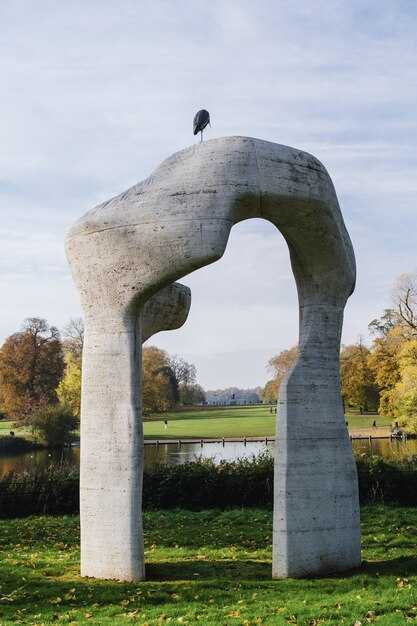
For a sunday visit, Storm King Art Center is a must: arrive early to beat crowds and feel the scale of monumental works spread across expansive meadows. Exploring the grounds helps you see how the pieces interact with the breeze, and a carefully planned route feels perfect for your pace and interests. The site sits on former farm fields, adding a rustic cadence to a modern collection.
The Storm King layout is an extensive sequence that invites you to linger at every turn. Move slowly, compare viewpoints, and enjoy the interplay of metal, stone, and weathered wood. When you finish the loop, you realize how the set of works feels együtt, as if part of one continuous conversation.
In Hakone Open-Air Museum, sculpture and nature meet along carefully laid paths. specifically, picassos appear in outdoor settings, while a kiss by rodins rests near the ponds; inside the museum’s musée spaces, you can compare the indoor studies with the outdoors, extending the experience beyond a single stroll.
Oslo’s Vigeland Park presents a different rhythm: hundreds of figures wind through the grounds, created in a classical vocabulary that still feels fresh. It’s ideal for an unhurried stroll with family, and visiting on a sunday lets you avoid peak crowds while you discover new angles among the towering forms.
The Grounds For Sculpture in Hamilton offers a carefully designed circuit where contemporary forms meet aquatic features and curated planting. A carefully paced loop of 2–3 hours is enough to take in the extensive collection and discover surprising relationships between pieces across vantage points.
At Kröller-Möller Museum in Hoge Veluwe, the outdoor garden pairs woodland paths with a robust sculpture program. A bike ride makes it easy to move from one piece to the next as the route goes along, staying outside to enjoy the light, with the indoor collection providing broader context when you want to pause and reflect.
Finish with a stroll through the Parisian musée Rodin, where classic forms sit in serene courtyards back from the street. The gardens showcase rodins in a variety of scales, offering a concise capstone to a global loop that feels együtt and energizing through hands-on discovery.
How to choose parks by season, weather, and crowd levels
Plan accordingly: choose parks by season and crowd levels to maximize immersive sculpture experiences. Pick one coast park for open horizons and one veluwe setting for woodland drama, so you gain variety across weather and light. Arrive when the park is open to enjoy calmer spaces and longer, uninterrupted views of the works.
Seasonal considerations
Spring delivers mesmerizing colors across coastlines and veluwe habitats. The works by antony blend with fresh greens, and morning light helps you notice texture and scale. Many parks opened years ago and are established within country collections, offering various series of pieces that invite quiet admiration surrounded by the landscape.
Timing and crowd levels
Weekday mornings are calmer; arrive when the park opens to gain peaceful moments before crowds gather. For hot days, choose shaded routes and covers for breaks; you can relax between sculptures. If you want a broader cultural context, pair the park visit with a museum stop at moma or another institution, especially on longer trips across the country or in the west. In autumn, colors intensify across diverse sites, and weekday visits remain quieter, letting you admire sculptures while leaves fall.
Must-see works and installations to prioritize at each site
Begin at Storm King Art Center with Maya Lin’s Storm King Wavefield, then loop to Mark di Suvero’s monumental steel works and Noguchi’s serene garden forms to admire how land and sculpture harmonize on rolling fields. Pause on a bench to unwind and let the scale level your perspective as you photograph the terrain from multiple angles–these pieces invite youre to move, observe, and come away inspired without rushing.
At kröller-müller, follow the woodland loop to the western edge where outdoor installations rise among pines; prioritize outdoor Rodin pieces and the site’s intricate modernist forms that sit in conversation with the forest light, inviting you to admire and reflect as you traverse over mossy paths.
In Yorkshire Sculpture Park, focus on a british selection that threads hills and meadows; admire Henry Moore and Barbara Hepworth works placed along sightlines that frame the land; plan a route that includes a couple of seats to unwind and remind yourself to take in the larger composition, choosing artworks that reward a longer look and a careful study of texture.
In Hakone Open-Air Museum, start at the Picasso Pavilion and then follow the routes to bold works installed across the lawns; arrival by ferry across Lake Ashi adds a scenic prelude, while a camera captures the dialogue between water and sculpture. Focus on the designs that interplay with the landscape and give you moments to unwind before moving to the next piece.
At Serralves Park, the landscape-layered artworks sit along winding paths; focus on a selection of large-scale pieces that play with light and shade, and note the way the designs contrast with the Art Deco house in the distance. For a quick break, pop into the café for a cherry tart and mayo-based dressing, then return with your camera to finish the loop and admire additional artworks installed along the borders.
Louisiana Museum Park sits on a coastal plateau where the western light washes over the grounds; the western-facing land hosts a mix of artworks by European masters and newer voices–include British designers in the mix and settle on a bench to soak in harmony between sea, sculpture, and sky, then continue to the next view.
Parc de la Villette offers site-specific installations along broad lawns and canal edges; plan a focused selection of works mounted near the pavilions, then use your camera to map the relationships between forms, light, and movement, and note how these installations invite you to pause and reflect before continuing your stroll.
Ticketing, opening hours, passes, and accessibility options
Buy timed-entry tickets online at least 2–3 days ahead and select a specific hour to minimize queues. Use a mobile pass for quick entry across most destinations, whether you roam the coast, veluwe, or mayo coast, and save time for the exhibitions and views outdoors.
- Ticketing and passes: Reserve online, choose a day and time, and print at home or show a mobile pass. Seniors often receive reduced rates; week passes or seasonal passes provide value for multiple visits; check if a combined option covers leading destinations you want to visit in the same trip.
- Opening hours and visit windows: Typical hours run 10:00–18:00; some sites stay open until 20:00 in high season or on weekends. Verify today’s schedule on the official site or app; plan your route to catch good light for outdoor views, and note that openings may shift during shoulder seasons.
- Accessibility options: Most parks offer step-free entrances and accessible routes; ramps, elevators, and wide pathways exist at key points. Audio guides, sign-language tours, tactile models, braille labels, large-print maps, and accessible restrooms support inclusive visits. Parking near entrances and assistance for mobility or sensory needs can be arranged; service animals are welcome.
Planning tips for a smooth visit
- Use the official app to check live crowd levels, view routes, and adjust on the fly; it takes you through different vistas and opens options to combine exterior views with sculpture highlights.
- Look for weekly schedules and year-long programs (jaar) that align with your interests; many parks rotate exhibitions like rodins, pablo, maya-inspired forms, or tarot-themed layouts across seasons–taking advantage of this opportunity to visit multiple destinations in a single trip.
- Practical packing: wear comfortable shoes, bring a light layer for variable weather along the coast and park trails, and carry water. Plan a short loop if you want a quick win, or save longer routes for a day when you can explore springs and wild landscapes.
Getting there: public transit, parking, and route planning
Take public transit to the site; a single transit pass covers rides from the city center to the pavilion, lets you plan the day with fewer tickets, and definitely reduces congestion. This plan is more reliable than driving. The entrance sits situated along a pedestrian route, about a 10–15 minute walk from the station, putting you in the surroundings where you can unwind among the installed pieces and the collections on view.
In sydneys and other major hubs, transit lines run along major corridors that bring you to the main gates. Use a metro, tram, or regional rail, then follow signed paths to the pavilion. Check the site’s page for the nearest stops and accessible routes; this approach allows you to explore different routes while enjoying exceptional facilities and the visual, creative representations offered by the displayed works.
Public transit options
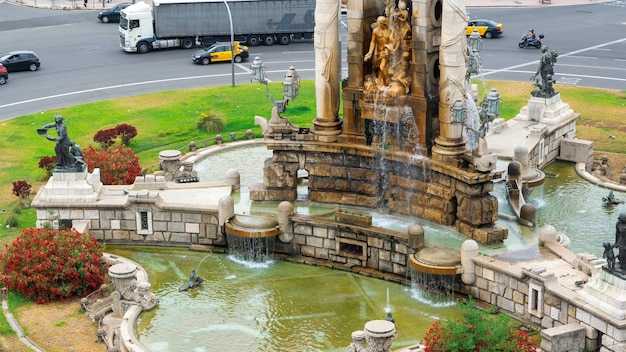
Most sites situated near a central transit hub simplify a day of seeing multiple sites. When planning, map a route with a single transfer if possible and choose an exit that lands you at the pavilion or visitor center. A short 5–15 minute walk through a calm garden often adds to the experience, letting you observe architecture and surroundings without rushing.
Look for combined-tickets that cover several parks, confirm hours, and enjoy signage that is showcasing tours and the major collections. This helps you pace the day, see pieces from different collections, and appreciate the representation of the artist’s intent.
Parking and route planning
If you drive, arrive early to secure a spot in the on-site or nearby official lot; many venues offer facilities with EV charging and clear signage. Reserved spaces or nearby garages can save time, especially on weekends when crowds peak. Plan a loop that starts at the parking entrance and returns via a different route to avoid backtracking along the installed sculptures.
To minimize time, open a map before you go, add the site to a multi-stop route, and align walking segments with your energy level; the aim is to view different pieces and collections without rush. A well-planned route lets you experience the architect’s intent, with visual cues and pavilion representations clearly marked along the way, and adding time for a coffee or snack to recharge. An architect-led design approach is visible in the pavilion, reinforcing the representation and visual language.
Photography guidelines, permissions, and copyright considerations
Always check the posted guidelines at the park entrance and ask staff whether you need permission for commercial shoots. At kröller-müller, the lush grounds frame a year-by-year array of contemporary sculpture, and getting a clear answer helps you photograph a piece without blocking paths. At frogner, hosts explain where photography is allowed, and a bench near several works becomes a reliable spot for travelers and families to observe and discover details.
Copyright and permissions: most sculpture works in public spaces are protected by copyright, even when the park is publicly accessible. For personal use, photos are typically permitted; for commercial use you must obtain licenses from the artist or rights holders, which may be the foundation, gallery, or estate. If a piece by alexander Calder is installed, licensing may be required; this approach combines respect for rights with practical flexibility, and this process can become routine for travelers when you follow the right steps and contact the park hosts or the rights holder for clarity. When you publish, provide a credit line with the artist, title, year installed, and park to help travelers discover the context and to keep collections accurate for years to come.
Practical steps for photographers
Get explicit permission for commercial or promotional use and keep written proof from the park administration or rights holder. Wear comfortable clothing and sturdy shoes, and stay on established paths to protect the sculpture and avoid wear on surrounding benches and ground. When families or travelers appear in images, secure releases for identifiable individuals where required and respect zones with photography restrictions. For online publication, use accurate captions that include the title, artist, year installed, and park; this practice helps others discover the work within the array of pieces on display. If your project includes merchandise or wide distribution, obtain a license and maintain documentation. In australia, drone use and other restricted zones may apply; follow posted rules and consult staff for permitted areas.