


 Magyar
  English (UK)
  Русский
  বাংলা
বাংলা  العربية
  日本語
日本語  한국어
한국어  Norsk nynorsk
  Türkçe
  עִבְרִית
  Español
  Čeština
  Svenska
  Português
  Ελληνικά
  Suomi
Suomi  Nederlands
  Română
  Italiano
  Français
  Polski
  Українська
  Deutsch
  简体中文
简体中文  Slovenčina
  Српски језик
  اردو
اردو  Azərbaycan dili
  O‘zbekcha
  አማርኛ
አማርኛ 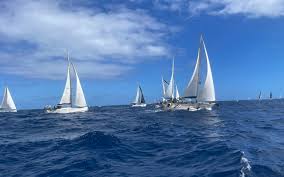 Tanulságok az ARC+ versenyből: hogyan kezelték a brit legénységek a kötélzetet, a vizet és az elektronikát a Zöld-foki szigetek és Grenada közötti szakaszon">

The 2,200NM leg from Cape Verde to Grenada saw later arrivals routinely encountering sustained 30-knot winds with gusts up to 48 knots and confused seas, forcing yachts to reef early, motor-sail conservatively and prioritise rig and systems checks en route to Port Louis Marina.
Arrival snapshot: conditions and immediate priorities
On arrival the fleet found relief in sheltered berths, but the passage highlighted three recurring categories of failure: rigging, freshwater generation and electronic communications. Smaller yachts such as the Rustler 36 Restless reported the harshest conditions, while many mid-size cruisers experienced cascading system faults induced by heavy weather and prolonged motion.
Typical weather and performance metrics
| Láb | Távolság (tmf) | Typical duration | Frequent conditions |
|---|---|---|---|
| Las Palmas → Cape Verde | 850 | 5–7 days | Trade winds, moderate seas |
| Cape Verde → Grenada | 2,150–2,200 | 12–16 days | Squalls, 25–48 kt gusts, confused swell |
Case studies: how crews reacted on board
Canopus — rapid rig stabilisation
When an intermediate shroud failed at night, immediate actions taken were: wake the skipper, lash the mast with spare haylards, deploy running backstays and institute continuous rig monitoring. The crew used Dyneema lashings as a temporary but robust measure. After stabilisation they motored conservatively for five days, prioritising engine reliability and self-steering performance.
Watergaw — cascading systems and rationing
Aboard the Southerly 135, a generator fault followed by watermaker failure forced strict resource management: rationed freshwater consumption, using solar-heated water for washing, and retrofitting a galley tap to run directly from the watermaker skinfitting for non-potable tasks. Crew morale management and contingency planning proved as important as technical fixes.
Restless — weather-limited comfort and sleep
Smaller yachts reported disrupted rest cycles and constant sail-configuration changes: extending and shortening poles, sail rolling, and trimming to reduce hull pounding. Crews emphasised that reducing speed deliberately can be the safest strategy when comfort and structural concerns collide.
Failures, fixes and practical takeaways
| Probléma | Immediate fix | Medium-term mitigation |
|---|---|---|
| Shroud/stay failure | Stabilise mast with spare lines, deploy running backstays | Carry extra Dyneema, schedule daytime inspections |
| Watermaker failure | Ration freshwater, use engine-driven desalination if available | Top-up tanks before departure, spare parts for membrane/skin fittings |
| AIS/VHF outage | Switch to handheld VHF, use radar and visual watch | Spare coax/connectors, split AIS/VHF aerials where feasible |
Checklist: smart preparations before the Atlantic hop
- Inspect rigging and carry extra Dyneema and haylards.
- Service generator and keep fuel conditioning kit handy.
- Carry key spares for the watermaker and a plan to ration water.
- Verify VHF/AIS aerial integrity and carry a handheld VHF.
- Plan watch systems that preserve crew rest during heavy conditions.
Human factors: leadership, teamwork and family dynamics
Mechanical fixes are one side of the ledger; how crews communicate under stress matters equally. Calm, engineered plans—agreeing risk mitigations, defining single points of responsibility and rehearsing liferaft and VHF drills—reduced anxiety. Children involved in communications nets reported engagement and confidence, turning potential fear into hands-on learning.
Night passages and crew psychology
Night watches offered quiet reflection and bonding time, but also magnified worries. Crews who scheduled regular briefings and kept routines (meal times, checks, watch handovers) maintained better morale than those who let uncertainty grow unchecked.
On arrival in Grenada: tourism and recovery
After a testing passage many crews make use of local attractions to reset: visiting rum distilleries, chocolate factories, tropical gardens and snorkelling sites, including the underwater sculpture park. These excursions provide a gentle reintroduction to land life and support local tourism economies.
Highlights of the ARC+ leg include hard-earned lessons on rig maintenance, systems redundancy and crew cohesion. Even the best preparation can’t substitute for first-hand experience: every shore-side review or online report gives context, but nothing matches being onboard and learning in real time. On GetExperience, you can book tours and excursions from verified providers with secure payments and voucher confirmation afterward; the platform also allows tailored requests so providers can propose offerings that fit your party. That transparency and convenience helps bridge the gap between planning and enjoying local experiences. Book now GetExperience.com
In short: the ARC+ Cape Verde–Grenada crossing emphasised robust rig checks, redundancy for power and water systems, clear contingency plans for electronics (AIS/VHF) and the importance of crew communication. These operational lessons support better travel experiences, whether you seek adventure activities, yacht parties, cruise packages, museum tours with live guides or eco-friendly wildlife safaris. Practical preparation turns trials into stories and keeps the focus on future adventure.