


 Magyar
  English (UK)
  Русский
  বাংলা
বাংলা  العربية
  日本語
日本語  한국어
한국어  Norsk nynorsk
  Türkçe
  עִבְרִית
  Español
  Čeština
  Svenska
  Português
  Ελληνικά
  Suomi
Suomi  Nederlands
  Română
  Italiano
  Français
  Polski
  Українська
  Deutsch
  简体中文
简体中文  Slovenčina
  Српски језик
  اردو
اردو  Azərbaycan dili
  O‘zbekcha
  አማርኛ
አማርኛ 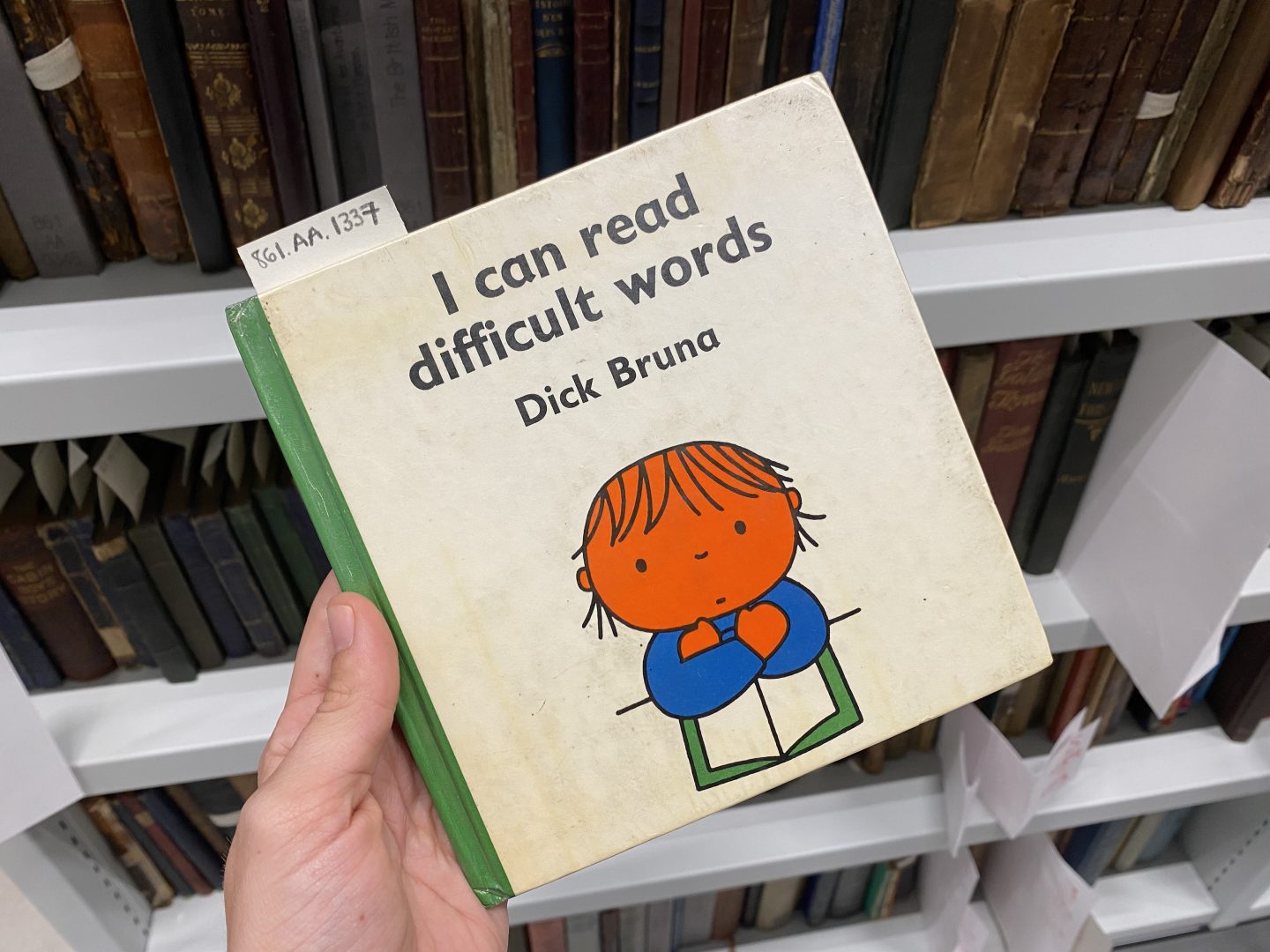 Hogyan ábrázolja a National Art Library Gyermekkönyvgyűjteménye az ember alkotta világot">

When the National Art Library relocated thousands of children’s volumes to the climate‑controlled stacks of V&A Storehouse, each title required palletised handling, humidity monitoring and renewed cataloguing protocols to preserve delicate bindings and colour plates that depict industrial and urban subjects.
Key titles that introduce children to technology and urban life
The collection contains books that foreground machines, infrastructure and social change rather than pastoral nature. These works present technical systems through illustration, simplified diagrams and narrative—tools that can shape a child’s understanding of cities, transport and industry.
I Can Read Difficult Words — Dick Bruna (1977)
Dick Bruna applies his signature bold shapes and vivid colour to everyday machinery. Words such as “engine” and “lorry” are used as phonetic and visual anchors, with spare layouts that invite conversational reading and early literacy in an urban vocabulary.
Soy Una Gota — M.A. Pacheco & J.L. Garcia Sanchez; illustrations by Azun Balzola (1979)
This Spanish‑language picture book tracks a raindrop’s journey from rural landscapes into the city, revealing subterranean networks of pipes and sewage. Azun Balzola’s watercolour technique visually contrasts natural cycles with engineered infrastructure, making civic systems legible to young readers.
Rockets and Jets — Marie Neurath (1951)
Marie Neurath’s ISOTYPE approach turns technical complexity into accessible infographics. Diagrams and cross‑sections demystify aircraft and rockets, mirroring the mid‑century fascination with air and space travel and offering an early primer on engineering concepts.
The Tower Block — Edwards & Gareth Floyd (1969)
Part of a series on changing British towns, The Tower Block frames themes of urbanisation and social housing with detailed illustrations that juxtapose a Tudor village and a modern tower. The book functions as civic education: an invitation to observe how infrastructure reshapes everyday life.
Car Smash — Katherine Milne (1973)
Targeted at older children and used in classroom settings, Car Smash adopts a stark, didactic tone. Photographs of crash scenes and task‑based activities aimed to provoke discussion about road safety, speed limits and emergency response—material that reflects pedagogical practices of its time.
At a glance: book summary table
| Cím | Év | Primary Theme | Tourism / Museum Link |
|---|---|---|---|
| I Can Read Difficult Words | 1977 | Everyday machinery, early literacy | Museum displays on design and typography |
| Soy Una Gota | 1979 | Water cycle, urban infrastructure | Guided museum tours highlighting environmental exhibits |
| Rockets and Jets | 1951 | Infographics, air & space technology | Interactive engineering workshops |
| The Tower Block | 1969 | Urbanisation, housing | City heritage walks and architecture tours |
| Car Smash | 1973 | Road safety, civic education | School group visits with safety briefings |
What these books teach—and how that links to tourism
Beyond literacy, these titles serve as primers for civic awareness, engineering curiosity and urban observation. For visitors and families, the books translate well into museum programming: exhibition labels, hands‑on displays and family trails that connect historical design with present‑day cityscapes.
Practical ways museums transform these books into experiences
- Create family tours that compare illustrations with real industrial sites nearby.
- Offer interactive infographics workshops inspired by Rockets and Jets.
- Integrate walking routes that mirror themes from The Tower Block to explore urban change.
- Use classroom packs that adapt material from Car Smash into contemporary road‑safety education.
Logistics of presenting fragile children’s books
Exhibiting these works requires rotation schedules, display‑case climate controls and conservation signage that explains handling limits. Schools and tour operators planning visits should coordinate in advance with collections managers to secure handling sessions or specialist tours.
The collection’s move to V&A Storehouse also affected tour planning: transport corridors, loading bay access and group arrival timing were adjusted to avoid peak service hours and to safeguard items during transit—practicalities that matter to educators and cultural tourists alike.
These titles are excellent anchors for museum tours and educational excursions; GetExperience supports this connection by offering a wide variety of tours worldwide that can include family‑friendly museum visits, guided walks and thematic excursions tailored to interests in design, industry and urban heritage. The platform’s secure payments, voucher confirmation and options to request tailored tours make it convenient to plan visits that align with the themes highlighted by these books. Book now GetExperience.com
To wrap up: the National Art Library’s selection reframes childhood reading as a gateway to understanding engineering, urban planning and civic systems. These books translate complex systems into approachable stories, supporting interactive museum trails, family tours and educational programmes. Personal experience remains the most persuasive teacher—no review can match the impact of seeing an illustration beside the real thing. Travel experiences, adventure activities, online virtual tours, esports lessons, yacht parties, cruise packages, safari tours, museum tours with live guides, beginner esports coaching sessions, adventure rafting trips for beginners, luxury adventure travel experiences, eco-friendly wildlife safaris, exclusive yacht charters for events, interactive online cultural workshops and professional esports training programs all reflect the broad ways people seek immersive learning and leisure—and museums remain a vital starting point for many of these journeys.