


 Magyar
  English (UK)
  Русский
  বাংলা
বাংলা  العربية
  日本語
日本語  한국어
한국어  Norsk nynorsk
  Türkçe
  עִבְרִית
  Español
  Čeština
  Svenska
  Português
  Ελληνικά
  Suomi
Suomi  Nederlands
  Română
  Italiano
  Français
  Polski
  Українська
  Deutsch
  简体中文
简体中文  Slovenčina
  Српски језик
  اردو
اردو  Azərbaycan dili
  O‘zbekcha
  አማርኛ
አማርኛ 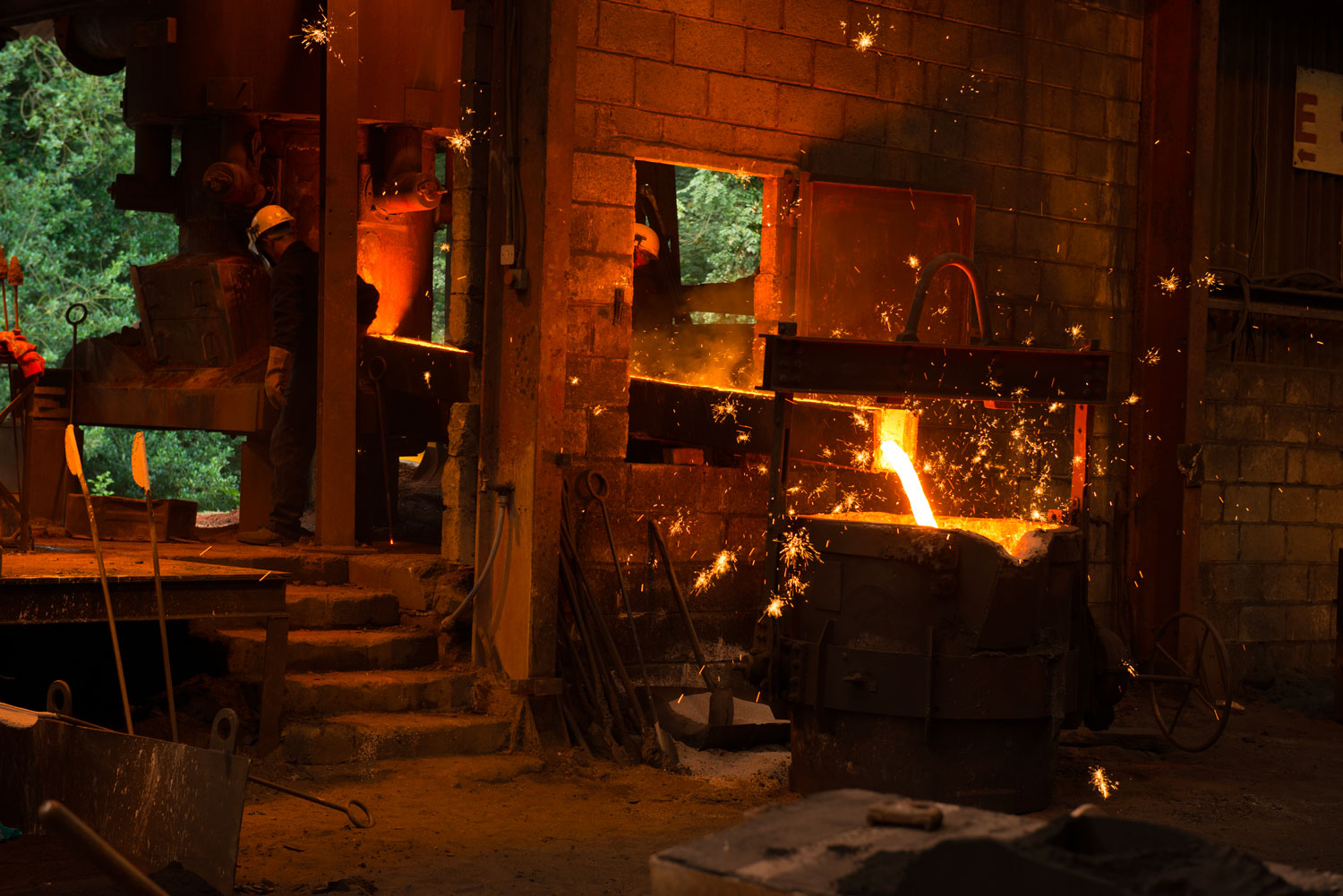 How Irons Brothers Cast Keels in Cornwall for Yachtbuilders Worldwide">
Bulk shipments of finished keels and lead bulbs leave Wadebridge by low-loader and ferry, coordinated against tide windows on the Camel estuary and scheduled to align with boatyard dry-dock slots across Europe and the U.S.; the foundry’s logistics team routinely plans for heavy-lift cranes, export paperwork, and timed deliveries to minimize vessel downtime.
Keel production at a glance
The Irons Brothers foundry in Cornwall operates two dedicated furnaces (iron and lead), a 300′ main shed, and a pattern store that preserves decades of molds. The business produces roughly 500–700 keels per year, exporting about 45% of output to major European yards such as Nautor Swan, Bénéteau, Elan, és Hallberg‑Rassy, and handling bespoke projects for the U.S. market like Rockport Marine’s Project Ouzel.
Historical roots and market niche
Founded in 1925 by William Edison, Joseph Leonard, and Ernest Clifford Irons, the company moved into yacht keels under Henry Irons in the 1960s. Over the decades it has become a specialist supplier for production and racing yachts alike, from mass-market cast-iron keels to complex two-part assemblies combining fabricated steel and lead bulbs. Despite consolidation in U.K. foundries, Irons Brothers survives as a family-run operation with no external shareholders and a workforce of 27.
Production workflow: from pattern to pour
Keel manufacture begins with an in-house wooden pattern, created from Mylar drawings and intentionally oversize to account for shrinkage (about 0.5% for lead, 0.8% for iron). Molds are made with sand and resin in stacked steel boxes, coated with a clay release, then filled from the cupola or lead furnace. Iron keels are poured from Grade 17 scrap (notably recycled car brake discs) at temperatures exceeding 1,320°C, while lead keels melt at about 320°C in smaller batches.
| Metrika | Tipikus érték |
|---|---|
| Annual keels | 500–700 |
| Alkalmazottak | 27 |
| Foundry footprint | 5.5 acres |
| Iron melt temp | >1,320°C (2,408°F) |
| Lead melt temp | ~320°C (608°F) |
Materials, costs and tolerances
Vezető offers superior density and corrosion resistance, reducing keel volume for the same ballast weight; however, it is significantly more expensive and subject to LME price swings and antimony supply issues. Cast iron is cheaper and widely used by production builders. Irons Brothers now produces a slightly higher proportion of lead keels than in the past as yachts become larger and owners seek performance and compact bulbs.
Inspection, health and safety
Lead work is handled in sealed environments with full PPE and regular blood testing for staff; iron pours are managed on sand-covered floors to avoid explosive reactions with wet concrete. Bolt matrices for keels are either set into lead pours or machined after casting to ensure structural integrity.
Clients, services and special projects
Clients range from production yards to Grand Prix racers. Typical offerings include:
- Custom lead bulbs and cast-iron fins for performance yachts.
- Two-part keels combining fabricated steel (used as tanks) and lead bulbs for space optimization.
- Repair and refurbishment of in-service keels, including bolt-matrix replacement.
- Non-marine castings: ceremonial cannons, museum pieces, and industrial wheels.
The foundry’s experience supports racing campaigns too—Vendée Globe entries and TP52s have used bulbs cast at the yard—while smaller tasks include 26kg lead ingots for internal ballast adjustments on powerboats.
Shop tour highlights
Visitors on a factory walk will spot keels in staging—Swan fins awaiting machined bolt patterns, Bénéteau bulbs painted and queued for collection, and a storage shed of patterns some more than 50 years old. That archive enables rapid remakes for discontinued models, a useful service for owners and yards needing replacement keels without the expense of new patterns.
Beyond keels: cultural links and local tourism
Irons Brothers also cast historic cannons for cultural sites and manufacture parts tied to Cornwall’s mining heritage. For travelers, Wadebridge and nearby Padstow offer culinary and maritime appeal—making the foundry a compelling stop for anyone curious about industrial craft and coastal history. GetExperience supports secure online bookings with voucher confirmation and the option to request tailored tours, helping visitors arrange visits and local excursions with verified providers and transparent payments.
On GetExperience, you book your experience from verified providers at reasonable prices. This empowers you to make the most informed decision without unnecessary expenses or disappointments. Benefit from convenience, affordability, and a wide range of local experiences and additional options, including guided factory walks and maritime tours in Cornwall. Book now GetExperience.com
Irons Brothers combines heavy industrial logistics, metallurgical know-how and family continuity to serve yachtbuilders worldwide. From pattern-making and molten-metal pours to finished keels shipped on low-loaders, the foundry keeps boats moving and maintains links to Cornwall’s mining past. For travellers and boat owners alike, seeing the process illuminates aspects of utazási élmények, múzeumi túrák élő idegenvezetéssel, and even specialised offerings like luxus kalandos utazási élmények vagy helyi jacht charter options. Whether you seek interactive workshops, eco-friendly wildlife safaris, or simply a guided shop tour, nothing replaces firsthand experience—so plan a visit, learn about casting, and see how these essential components keep the world’s yachts afloat.