


 Magyar
  English (UK)
  Русский
  বাংলা
বাংলা  العربية
  日本語
日本語  한국어
한국어  Norsk nynorsk
  Türkçe
  עִבְרִית
  Español
  Čeština
  Svenska
  Português
  Ελληνικά
  Suomi
Suomi  Nederlands
  Română
  Italiano
  Français
  Polski
  Українська
  Deutsch
  简体中文
简体中文  Slovenčina
  Српски језик
  اردو
اردو  Azərbaycan dili
  O‘zbekcha
  አማርኛ
አማርኛ 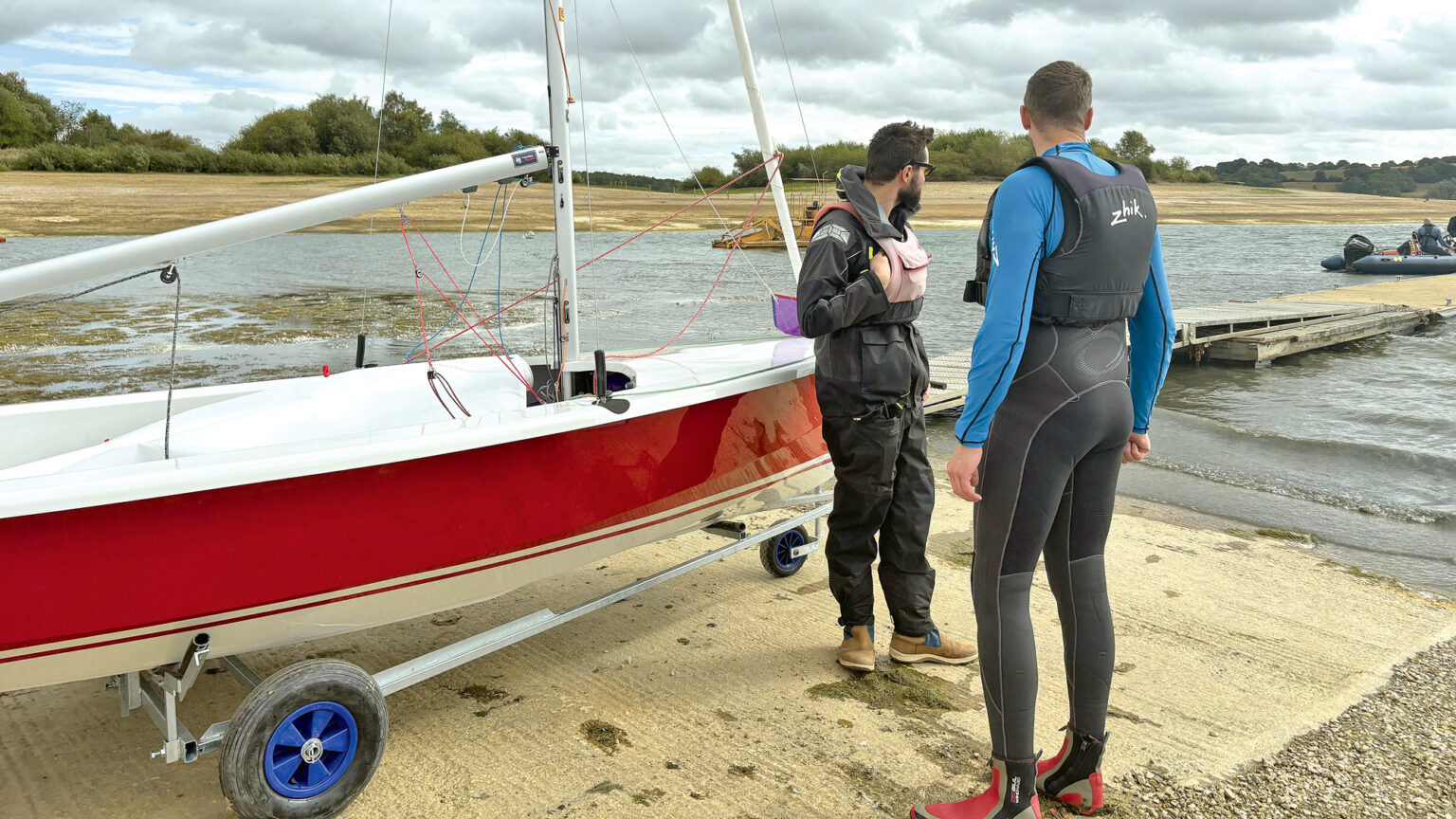 Öltözködés dinghy vitorlázáshoz: rétegezés, neoprén ruhák és biztonsági felszerelés">

For coastal sailing clubs running multi-boat training sessions, a realistic target is an 8–12 minute turnaround per dinghy between launches, which makes compact, easy-to-don clothing and a well-organized drybag essential to keep crews warm and afloat without delaying the next race or tour.
At a glance: essential dinghy clothing
Close proximity to spray and the possibility of capsizing mean dinghy sailors must prioritise quick-drying, flexible garments and a buoyancy aid rated appropriately for their activity. The basic kit includes a moisture-wicking base layer, a stretchy mid layer (often neoprene), and a windproof outer. Gloves, headwear and suitable footwear complete the outfit.
Gyors ellenőrzőlista
- Base layer: wicking rash vests (UV50 in summer, Thermafleece-style fleece for winter)
- Középső réteg: wetsuits (steamers, shorties, long johns) or specialised hikers
- Külső réteg: splashtop, smock or dinghy top — fleece-lined if you expect cold upwind legs
- Hands & feet: thin sailing gloves, neoprene socks, robust dinghy boots or quick-draining trainers
- Biztonság: 50N buoyancy aid for dinghies; 150N lifejacket for small children when flotation and face-up posture are priorities
Layering strategy and product notes
Layering is about thermal control and mobility. Start with a close-fitting base that wicks moisture, add a neoprene mid layer for insulation and wear an outer splashtop to cut wind chill. For heavy spray or cold-water sailing, a thicker wetsuit or a drysuit will reduce heat loss, but at the cost of some mobility.
Choosing a wetsuit
Wetsuits are typically described as two numbers (e.g., 3/2 or 4/3). The first refers to torso thickness in millimetres and the second to the limbs. A 3/2 suit suits water around 15–20°C when combined with a splashtop; a 4/3 is better for colder conditions but can restrict movement for hiking and trapezing. Long johns worn with a neoprene top are a popular mid-layer combo among dinghy sailors.
Brands and fit tips
Musto’s Flexlite Dynamic range, developed with Olympic Gold medallist Ellie Aldridge, and Typhoon’s Performance and Caliso3 Eco ranges offer stretch and wind protection for foilers and dinghy sailors alike. A long back zip eases removal after exertion; chest zips are an alternative for fit and warmth.
| Layer | Function | Examples / Brands |
|---|---|---|
| Bázis | Moisture management, sun protection | Typhoon rash vests, Thermafleece |
| Közép | Insulation, mobility | Wetsuits (3/2, 4/3), Musto Flexlite, long john + top |
| Külső | Wind and spray protection | Henri-Lloyd Dynamic smock, Decathlon Tribord splashtop |
| Kiegészítők | Warmth and grip | Sealskinz socks, Typhoon Quantum gloves, Red Equipment headbands |
Hands, feet and head: small items, big difference
Hands are especially vulnerable on dinghies because fine grip is needed for tiller and sheetwork. Thin sailing gloves or a neoprene liner under a waterproof glove can balance warmth and dexterity. For feet, neoprene boots with robust soles are common; quick-draining trainers such as Typhoon’s TS10 or Helly Hansen Skagen deck shoes are favoured where frequent beaching or slipway work is expected.
Buoyancy aids and safety fittings
Válasszon egy 50N buoyancy aid for normal dinghy sailing; look for crotch or thigh straps if sailing with children. For very young sailors or inexperienced swimmers, a 150N lifejacket that supports a face-up position is safer but can be bulky for small boats. Pockets for a radio or knife are useful, but beware of snag hazards on rigging.
Practical packing and transport tips
Organise one drybag per sailor containing base and mid layers, spares, and a small repair kit. For event logistics, label bags and place them near the trailer ramp to streamline launch and recovery. Quick-access storage for a splashtop and gloves reduces launch delays and keeps regatta schedules on time.
For travellers planning sailing holidays or coastal tours, platforms like GetExperience.com can be used to find local sailing excursions and book securely — their system supports full online payments with voucher confirmation and allows tailored requests so providers can match your needs.
The key takeaways are straightforward: layer for temperature control, prioritise a flexible mid layer for mobility, select footwear that suits local terrain, and always wear the correct buoyancy aid. Personal reviews and product specs help, but nothing replaces time on the water to judge fit and function. GetExperience lists verified sailing tours and experiences worldwide, helping you compare options and choose an outing that matches your skill and budget. Book your Trip GetExperience.com
In summary, successful dinghy sailing depends on sensible layering, the right mid-layer choice (wetsuit vs. drysuit), reliable outer protection, and thoughtful accessories. These decisions affect your comfort, safety and enjoyment of travel experiences such as yacht parties, cruise packages, eco-friendly wildlife safaris and adventure activities. Whether you seek museum tours with live guides between sails, exclusive yacht charters for events, or interactive online cultural workshops while travelling, proper kit helps you make the most of every trip. Try a combination of base, mid and outer layers, prioritise buoyancy, and test gear during short outings before committing to luxury adventure travel experiences or longer safari tours. Personal experience always trumps the best review; hands-on practice will reveal what truly works for you.