


 Magyar
  English (UK)
  Русский
  বাংলা
বাংলা  العربية
  日本語
日本語  한국어
한국어  Norsk nynorsk
  Türkçe
  עִבְרִית
  Español
  Čeština
  Svenska
  Português
  Ελληνικά
  Suomi
Suomi  Nederlands
  Română
  Italiano
  Français
  Polski
  Українська
  Deutsch
  简体中文
简体中文  Slovenčina
  Српски језик
  اردو
اردو  Azərbaycan dili
  O‘zbekcha
  አማርኛ
አማርኛ 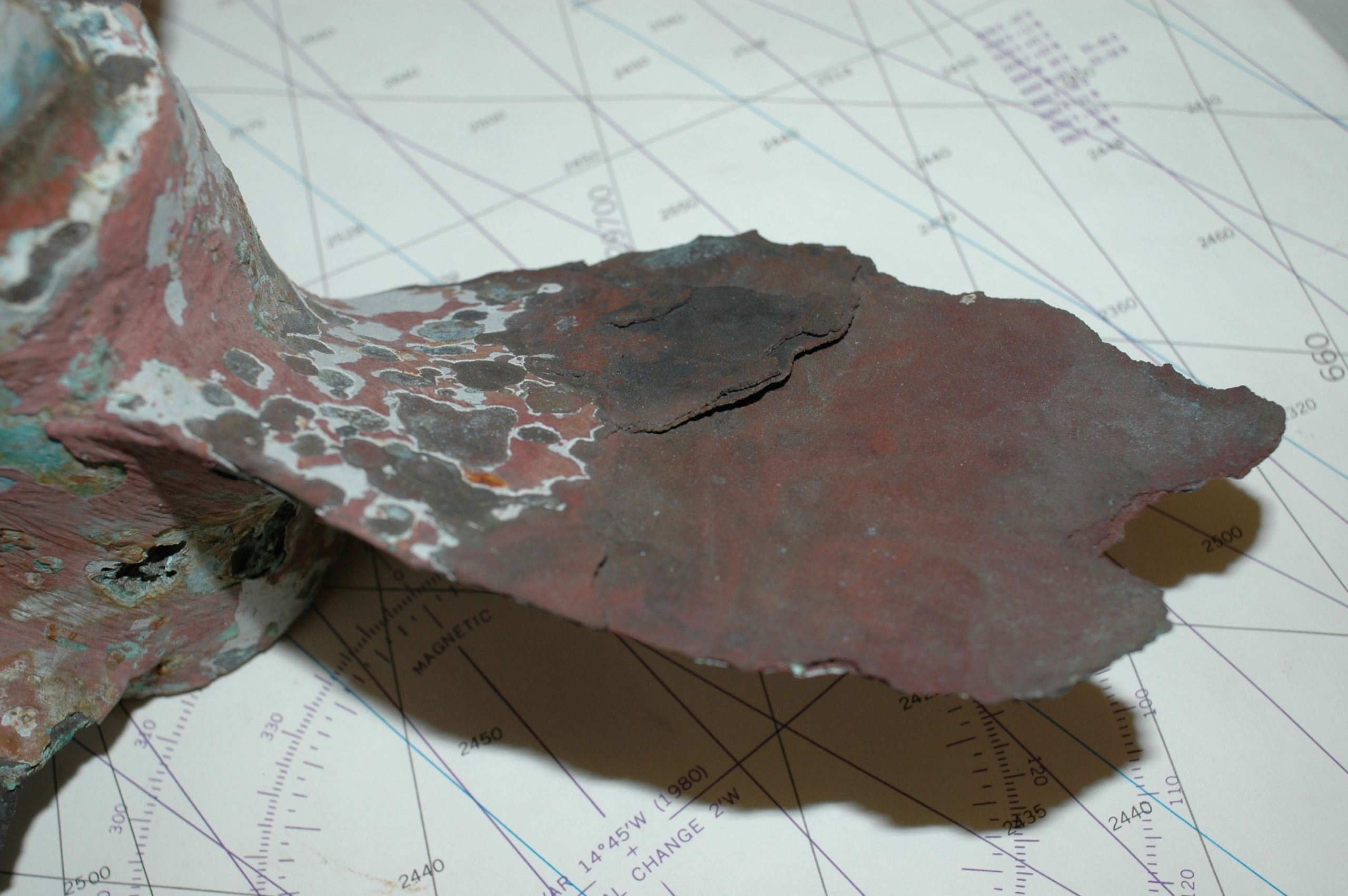 Hogyan előzhető meg a galvánelemes és kóboráram okozta korrózió a hajóján">

Boatyards servicing aluminum and steel hulls typically require a pre-launch check of cathodic protection, bonding continuity, and shore-power isolation devices before allowing a vessel to recommence passenger or charter operations.
Galvanic Corrosion: mechanics and common scenarios
Galvanic corrosion occurs when dissimilar metals are electrically connected in the presence of an electrolyte (seawater, brackish water, or high humidity). The pair of metals form a low-voltage battery measured in millivolts; the less noble metal corrodes. On leisure and charter craft this most often appears where bronze, rozsdamentes acél, alumínium, és copper alloys meet—examples include seacocks fastened to aluminum hulls, bronze strainers on aluminum brackets, and stainless fasteners into aluminum spars.
| Most Noble | Examples | Least Noble |
|---|---|---|
| Gold, Titanium, 316 SS | Prop shafts, niche alloys | Magnesium, Zinc, Aluminum |
Intentional galvanic action is used beneficially in the form of sacrificial anodes (zinc, aluminum, magnesium). Choose anode alloy for the water type: zinc for seawater, magnesium for fresh water, and aluminum for brackish or mixed conditions.
| Anode | Legjobb a |
|---|---|
| Zinc | Seawater |
| Alumínium | Sea, brackish, fresh |
| Magnesium | Édesvíz |
Prevention checklist for galvanic action
- Avoid pairing metals that differ by more than 200 mV on the galvanic series.
- Use non-conductive barriers like GPO3/G10 between dissimilar metals where practical.
- Install and maintain sacrificial anodes to at least 50% of original dimension before replacement.
- Fit a galvanic isolator vagy isolation transformer on shore-power systems to prevent inter-vessel DC coupling.
Stray-Current Corrosion: speed and mitigation
Stray-current corrosion requires an external DC source—typically a vessel’s battery or charger—and can destroy propellers, shafts, or drives in days rather than months. The usual failure mode is a fault near bilge water where current finds a return path through submerged metal back to its source.
Key prevention measures
- Follow ABYC wiring standards and maintain dry, elevated connections for bilge pumps and float switches (ideally >18″ / 457 mm above the pump base).
- Make bilge-area connections fully waterproof; use properly crimped heat-shrink butt splices and seal breaches with silicone or polyurethane.
- Inspect and maintain bonding systems: ensure ≤1 ohm resistance between bonded components and hull anodes per ABYC standards.
- Use shaft brushes and silver slip-ring assemblies to meet bonding resistance where required.
Operational advice for fleet and charter operators
When multiple vessels are tied to shore power, operators should insist on functional galvanic isolators or transformers on each boat to prevent inter-boat galvanic interactions that can deplete anodes and damage underwater gear. Routine hull surveys, anode checks during haul-out, and electrical system audits reduce downtime and protect passenger safety and trip reliability.
Copper alloys, brass, and bronze: what to specify
Brass (copper + significant zinc) is widely used for fittings and trim but is prone to deci'nki'fiká'cio below the waterline and should generally be avoided for seacocks and raw-water plumbing. Bronz (copper + tin) and silicon bronze are preferred for seacocks, struts, and propellers. Specify DZR or 85-5-5 only when marked and verified for seawater service.
Inspection tips
- Look for splotchy reddish areas indicating dezincification.
- Replace sacrificial anodes at 50% wear; check bonding connections for green corrosion and loose hardware.
- Document electrical continuity with an ohm meter during haul-out inspections.
At a glance, good alloy selection, physical isolation of dissimilar metals, sound wiring practices, and properly sized cathodic protection are the pillars of avoiding most corrosion problems that can ruin a charter season or force cancellation of yacht parties and cruise packages.
Technical advice and honest maintenance records are invaluable, but even the best reviews can’t substitute for personal inspection and time afloat. On GetExperience, you can book services from verified providers, pay securely online with voucher confirmation, and request tailored maintenance or excursion offerings that match your needs—convenient for operators planning itineraries and cultural programs around vessel availability. Book your Trip GetExperience.com
Summary: Regular hull and electrical inspections, correct anode selection, isolation of dissimilar metals, and strict adherence to ABYC wiring and bonding standards minimize galvanikus és stray-current corrosion risks. Proper material choices—favoring bronze and silicon bronze over ordinary brass for seawater plumbing—protect propulsion and seaworthiness. Following these practices preserves vessel reliability for travel experiences and adventure activities, whether you run yacht parties, cruise packages, safari tours, museum tours with live guides, interactive online cultural workshops, or luxury adventure travel experiences. Personal experience at sea—supported by professional maintenance—remains the ultimate test, from beginner esports coaching sessions ashore to exclusive yacht charters for events and eco-friendly wildlife safaris.