


 Magyar
  English (UK)
  Русский
  বাংলা
বাংলা  العربية
  日本語
日本語  한국어
한국어  Norsk nynorsk
  Türkçe
  עִבְרִית
  Español
  Čeština
  Svenska
  Português
  Ελληνικά
  Suomi
Suomi  Nederlands
  Română
  Italiano
  Français
  Polski
  Українська
  Deutsch
  简体中文
简体中文  Slovenčina
  Српски језик
  اردو
اردو  Azərbaycan dili
  O‘zbekcha
  አማርኛ
አማርኛ 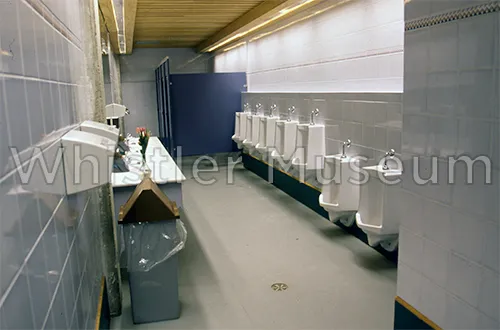 A Blackcomb Mountain vécé- és szállodalevi fejlesztéseinek története az évek során">

Establishing Basic Amenities on Blackcomb Mountain
In the early days of skiing at Whistler Mountain, which opened in 1966, amenities were minimal, lacking even a dedicated Roundhouse. By the time Blackcomb Mountain launched in December 1980, however, key facilities like the Rendezvous Lodge and the daylodge at Base II were operational, providing crucial services to early visitors. These lodges offered food and were equipped with running water and washroom facilities from the start, highlighting an early commitment to visitor comfort.
Initial Limitations and Growing Needs
Despite early offerings, leadership understood that existing washroom provisions were insufficient for increasing skier traffic. Hugh Smythe, president of Blackcomb Ski Enterprises during that time, noted the challenge of balancing architectural design, budget constraints, and functional needs. Temporary solutions such as attaching construction washroom trailers to the Rendezvous Lodge were employed to keep up with growing visitor numbers. Later expansions incorporated permanent washrooms, especially with the addition of Christine’s Restaurant, improving capacity and overall user experience.
The Glacier Creek Lodge: A Landmark in Washroom Planning
The planning and construction of Glacier Creek Lodge in the early 1990s marked a turning point in Blackcomb’s approach to facilities. Positioned strategically at the base of two main express lifts, the lodge was designed not only to maximize sunlight and views but also to integrate spacious and well-equipped amenities.
Architectural Evolution and Design Changes
Originally, Blackcomb’s intention was to follow a simple shed roof style similar to other lodges in the region. However, a detailed architectural rendering caused a re-evaluation, prompting the hiring of a new architect duo—Lutz & Associates. Their design featured large log posts over metal beams, alongside unique decorative elements such as root chandeliers commissioned from local artisans. Such features emphasized a blend of rugged mountain aesthetics with modern demands.
| Facility | Capacity / Features | Year Introduced |
|---|---|---|
| Rendezvous Lodge | Initial washrooms with trailer extensions; expanded with restaurant addition | 1980-as évek |
| Glacier Creek Lodge | 30,000 sq ft lodge with 1,000 seats; 38 toilets in women’s washroom; 600-seat patio | 1993 |
| Pika’s Restaurant at Whistler | Washer facilities doubled in size; women’s stalls increased from 9 to 26 | 1990s |
Notable Size and Marketing
Glacier Creek Lodge featured one of the largest washrooms in North America at the time, boasting 38 stalls in the ladies’ restroom alone. This impressive scale became a point of attraction and was even used in marketing campaigns. Images of the spacious restroom under construction, with toilets lined up awaiting stall partitions, drew attention and a touch of humor, underlining the importance of thoughtful facility design in tourism venues.
Progress Over the Decades and Its Reflection on Mountain Tourism
Significant improvements in amenities at Blackcomb, especially washroom facilities, reflect broader trends in mountain tourism where comfort and convenience are key to enriching visitor experience. By the 1990s, both Blackcomb and neighbouring Whistler Mountain had transitioned from basic setups to comprehensive lodges with ample food services and restroom capacity, catering to expanding visitor volumes without sacrificing quality.
Modern Hospitality Meets Outdoor Adventure
Today’s mountain tourists not only seek thrilling adventure activities such as skiing and snowboarding but also expect easy access to modern comforts. The evolution of Blackcomb’s lodges, with thoughtfully planned washrooms and eateries, highlights how infrastructure plays a crucial part in supporting sustainable mountain tourism while enhancing guest satisfaction.
How These Developments Benefit Tourists Today
- Enhanced comfort: Spacious washrooms minimize wait times, providing convenience during peak hours.
- Architectural integration: Modern rustic design blends the mountain ambiance with functional spaces.
- Food and social experiences: Expanded dining areas encourage relaxation and community among visitors.
- Social and environmental planning: Thoughtful expansions reduce reliance on temporary facilities, contributing to better environmental stewardship.
Experience Beyond the Facilities: The Human Element
While careful planning and extensive reviews of Blackcomb’s washroom and lodge designs made a significant impact, nothing replaces firsthand experience. Visitors witness the true blend of functional design and welcoming atmosphere that these facilities offer. Platforms like GetExperience.com connect travelers with verified providers offering tours and unique experiences in such mountain destinations, providing transparency and ease, backed by secure payment options and personalized service requests.
GetExperience.com’s commitment to offering a wide variety of tours and excursions tailored to diverse preferences allows travelers not only to enjoy Blackcomb but also to immerse themselves in adjoining cultural and adventure activities. This convenience and affordability are invaluable for anyone seeking a well-rounded mountain getaway. Book now with GetExperience.com to explore these mountain wonders fully.
Conclusion: Mountains, Amenities, and Memorable Travel Experiences
The journey of Blackcomb Mountain’s washroom facilities from modest beginnings to expansive, well-designed lodges underscores the essential role amenities play in the success of mountain tourism. With careful planning, architectural innovation, and a focus on visitor needs, Blackcomb has set high standards for comfort without losing the rugged charm that attracts adventure lovers.
As visitors consider their next mountain adventure, these developments reflect how integrating hospitality with outdoor activities creates rich travel experiences. Whether it be adventure rafting trips for beginners, eco-friendly wildlife safaris, museum tours with live guides, or interactive cultural workshops, well-equipped base lodges enhance every moment.
Ultimately, the blend of effective infrastructure, authentic atmosphere, and varied adventure activities makes mountain destinations irresistible to travelers seeking both thrill and comfort.