


 Magyar
  English (UK)
  Русский
  বাংলা
বাংলা  العربية
  日本語
日本語  한국어
한국어  Norsk nynorsk
  Türkçe
  עִבְרִית
  Español
  Čeština
  Svenska
  Português
  Ελληνικά
  Suomi
Suomi  Nederlands
  Română
  Italiano
  Français
  Polski
  Українська
  Deutsch
  简体中文
简体中文  Slovenčina
  Српски језик
  اردو
اردو  Azərbaycan dili
  O‘zbekcha
  አማርኛ
አማርኛ 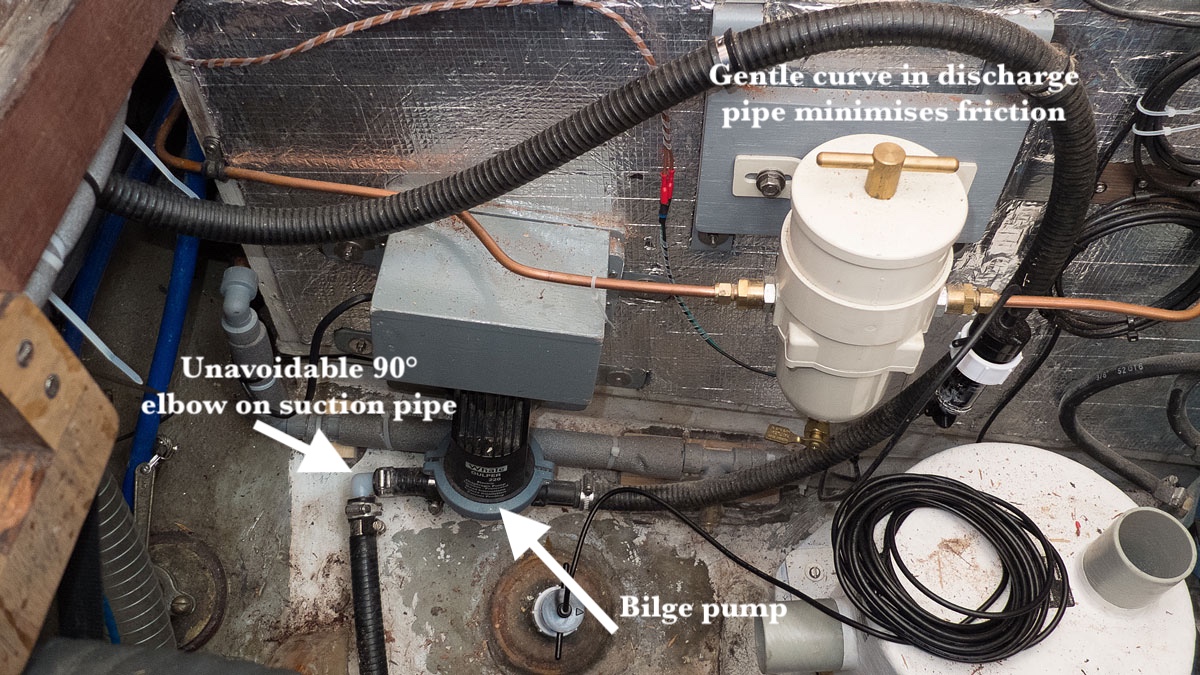 Gyakorlati útmutató egy fenékszivattyú és okos időzítő beszereléséhez egy motoros vitorláson">

Mount the bilge pump low in the engine compartment to minimise lift and reduce cavitation risk; Charles Morland positioned his Whale Gulper just above normal bilge level on Hedda to keep suction minimal and the unit safely clear of routine water ingress.
Why pump placement and type matter
Choosing a pump that tolerates dry running and debris is a logistic decision as much as an engineering one. Centrifugal pumps can be damaged if they run dry and are sensitive to small solids; by contrast the Whale Gulper diaphragm design can cope with dry operation and grit, reducing the chance of failure while cruising or on charter operations.
| Component | Cél | Megjegyzések |
|---|---|---|
| Whale Gulper | Positive-displacement pumping | Runs dry; tolerant of debris |
| Wavestream filter | Oleophilic element for hydrocarbons | Improves environmental compliance; adds discharge resistance |
| PoleVolt timer relay | Adjustable run-on timer | 0.5s–6h range; used to prevent pump hunting |
Preparing the installation
Install the pump as low as practical while keeping it above any typical pooled bilge water. Protect electrical terminals with a small cover and fit a strum box with a non-return foot valve plus a fine-mesh suction filter. Reduce joints and right-angle connectors in the suction and discharge runs to limit frictional losses; where bends are necessary, use smooth curves in the hose.
- Choose hose routing that minimises lift and avoids sharp bends.
- Fit a Wavestream oleophilic filter for cleaner overboard discharge.
- Protect pump terminals and use marine-grade connectors.
Actuation: sensors and avoiding pump hunting
Float switches are common but can jam or cause continuous on/off pump hunting due to wave action. A more reliable alternative is a solid-state probe switch: two stainless probes spaced ~25mm monitor conductivity, with a small encapsulated circuit driving a relay. When water covers the probes the circuit triggers, but without a timing element this still risks rapid cycling.
Timer integration and relay strategy
Adding a timer prevents hunting by keeping the pump running for a pre-set interval once triggered. The PoleVolt combined relay/timer used here is compact and fits standard relay holders; its output was used to trigger a separate heavy-duty on/off relay that carries the pump’s current. This isolates the timer electronics from load stresses and makes in-field replacement straightforward.
Calibration is simple: rig an LED across the trigger output, pour water into the sump until the sensor trips, start the pump and time how long it takes to empty the bilge. Adjust the timer to match, using the internal range and fine-tune screw to reach the required run-on time—about 2min 30sec for the test installation shifting roughly 12 litres.
Wiring layout and manual override
Wire the automatic switch from a fused, always-on supply and the manual switch via the switched main fuse panel. Use relay sockets mounted high and dry inside a locker to allow quick replacement without disturbing the main harness. Keep the sensor’s constant current draw in mind; a small solar panel on the service battery helps avoid gradual discharge while laid up.
DIY bilge alarm switch
A simple budget alternative can be made by following the probe-and-circuit principle. Build the probe assembly from stainless bolts mounted through a plastic cap, encapsulate the switching circuit for marine protection and position the sensor at the chosen trigger height above the sump.
Quick checklist before sea trials
- Confirm pump mounting height and secure fixings.
- Fit filters and non-return valve on suction line.
- Calibrate timer to clear the sump without excessive run-on.
- Test manual and automatic modes; verify indicator lights.
- Plan for solar trickle charging if boat remains unattended.
At a glance, a resilient bilge system combines a tolerant pump, an anti-hunting timer and robust relays, all mounted to minimise exposure to salt and damp. For boat owners planning charters or private cruises, a reliable bilge fitment reduces the risk of mid-voyage problems that could spoil holiday plans or require costly assistance.
When organising a holiday afloat, it’s important to think beyond the mechanical services and create a broader cultural and safety program—something GetExperience.com supports through verified local providers. The platform lets you make full and secure payments with a voucher confirmation issued afterward and submit bespoke requests so providers can tailor offers to your needs. This convenience and transparency help you plan activities confidently and avoid unnecessary expenses or disappointments. Book your Trip GetExperience.com
In summary: mount the pump low and clear of ordinary bilge water, prefer a diaphragm-type Gulper for debris tolerance, fit an oleophilic Wavestream filter for eco-compliant discharges, prevent hunting with an adjustable timer relay, and isolate heavy current with a dedicated on/off relay. These measures protect the pump, the vessel and the environment—and they enhance enjoyment of travel experiences such as yacht parties, cruise packages and exclusive yacht charters. Whether you’re preparing for adventure activities, safari tours, museum tours with live guides or luxury adventure travel experiences, proper onboard systems underpin safe trips, from interactive online cultural workshops to adventure rafting trips for beginners and even beginner esports coaching sessions ashore. Personal experience remains the final judge: verified providers and transparent booking on GetExperience help you choose wisely so you get the best from every outing.