


 Magyar
  English (UK)
  Русский
  বাংলা
বাংলা  العربية
  日本語
日本語  한국어
한국어  Norsk nynorsk
  Türkçe
  עִבְרִית
  Español
  Čeština
  Svenska
  Português
  Ελληνικά
  Suomi
Suomi  Nederlands
  Română
  Italiano
  Français
  Polski
  Українська
  Deutsch
  简体中文
简体中文  Slovenčina
  Српски језик
  اردو
اردو  Azərbaycan dili
  O‘zbekcha
  አማርኛ
አማርኛ 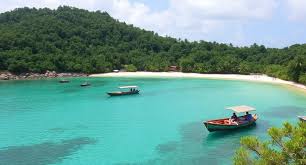 Balancing Rising Tourism and Ecological Safeguards in Andaman and Nicobar Islands">

Tourism Growth and Ecological Vigilance in the Andaman and Nicobar Islands
The Andaman and Nicobar Islands are experiencing a notable rise in tourist arrivals, prompting authorities to carefully assess the ecological impact while gradually opening new islands to visitors. With pristine beaches, vibrant marine life, and lush mangrove trails, this archipelago lures nature lovers and adventure seekers alike. In response to increasing interest, the government adopts a cautious approach, allowing access to select islands with strict preservation measures to maintain the delicate ecosystem balance.
Tourism Trends and Visitor Numbers
Recent years have seen the islands recover and even thrive beyond pre-pandemic visitor levels. A population of roughly 400,000 residents welcomed over 720,000 tourists last year alone, a figure that continues to grow during the peak months of October and November. The influx is carefully managed given the inherent carrying capacity limits of island environments, with travel access primarily limited to flights, naturally curbing unchecked tourist flow.
Graded Opening of Islands and Visitor Management
To avoid overwhelming the ecosystem, the government has strategically opened islands in phases. North Sink Island is a recent addition to the tourism map, complemented by controlled access to Jolly Buoy and Red Skin Islands. These latter spots have visitor caps, with a maximum of 200 people allowed simultaneously, ensuring that natural habitats are not compromised.
| Island | Visitor Capacity | Státusz |
|---|---|---|
| North Sink Island | Under Evaluation | Newly Opened |
| Jolly Buoy Island | 200 | Open with Restrictions |
| Red Skin Island | 200 | Open with Restrictions |
Diversifying Experiences: Birdwatching and Astro-Tourism
Beyond beach activities, the islands are expanding the tourism palette with niche segments like birdwatching and astro-tourism. Hosting 32 species of endemic birds, the area attracts avid birdwatchers eager to enrich their sightings. Birdwatching tourism, widely recognized for its low environmental impact and potential to boost conservation, offers immersive and sustainable travel opportunities.
Astro-tourism is another exciting venture, positioning the Andamans as a stellar destination for stargazers. Thanks to minimal light and industrial pollution, the islands boast some of the clearest night skies, revealing both northern and southern constellations. Carefully designated vantage points provide 360-degree views, making each night sky observation a magical encounter.
Promoting Sustainable Tourism Initiatives
Policies have been rolled out to support these new tourism avenues. The recently introduced astro-tourism policy includes guide registration and training alongside certification to maintain open sky quality. Local youths receive targeted training, creating promising employment pathways that align with environmental stewardship.
- Guide Certification: Ensures quality and knowledge in astro-tourism experiences.
- Visitor Registration Portal: Optional registration offers attendees updates on astronomical events to plan their trips accordingly.
- Light Pollution Control: Protects selected sites to preserve the integrity of night sky views.
Integrating Adventure and Ecological Preservation
Fishing and water sports remain favorite activities for both domestic and international tourists. The thoughtful approach ensures these experiences do not undermine the fragile marine environments. Incorporating environmental monitoring and visitor capacity management contributes to sustainable tourism development that supports both conservation and local economies.
Ecological Impact and Sustainable Practices
For islands like the Andamans, managing tourism sustainably is paramount. Officials emphasize gradual island openings following ecological assessments to minimize harm. Strict adherence to carrying capacities and ongoing monitoring underpin this management strategy, safeguarding natural habitats while offering enriching visitor experiences.
Highlights and Takeaways
The Andaman and Nicobar Islands exemplify a balanced approach to tourism development by combining growth with environmental responsibility. Opening new islands in a phased manner while promoting sustainable activities like birdwatching and astro-tourism reflects a commitment to preserving natural assets. Training local youth and involving them actively in new tourism segments further ensures long-term sustainability.
While detailed policies, visitor limits, and ecological studies guide these efforts, no substitute exists for firsthand experience. Genuine engagement with pristine nature and well-managed adventure activities offers travelers memories that surpass even the most insightful reviews.
On platforms like GetExperience.com, travelers find verified tours and experiences in the Andamans backed by transparency, secure payments, and custom requests to suit every preference and budget. The convenience of booking through such a service enhances the holiday planning journey, ensuring no surprises and maximum enjoyment. For those looking to explore unique offerings like birdwatching excursions, astro-tourism nights, or water-based adventures, GetExperience stands as a reliable companion. Foglalja le utazását a címen GetExperience.com and uncover the wonders of the islands responsibly.
Következtetés
The evolving tourism scene in the Andaman and Nicobar Islands reveals the intricate dance between welcoming visitors and safeguarding fragile ecosystems. Through methodical island openings, promotion of eco-friendly tourism niches, and community involvement, the region is crafting a sustainable future. This approach not only preserves biodiversity but enriches travel experiences with adventure activities, luxury nature tours, and cultural insights. For travelers seeking eco-conscious wildlife safaris, interactive cultural workshops, or unique adventure rafting trips for beginners, the Andamans offer a versatile playground. Booking through trusted platforms enhances the promise of authentic and affordable travel, ensuring each journey respects both nature and local communities.