


 Magyar
  English (UK)
  Русский
  বাংলা
বাংলা  العربية
  日本語
日本語  한국어
한국어  Norsk nynorsk
  Türkçe
  עִבְרִית
  Español
  Čeština
  Svenska
  Português
  Ελληνικά
  Suomi
Suomi  Nederlands
  Română
  Italiano
  Français
  Polski
  Українська
  Deutsch
  简体中文
简体中文  Slovenčina
  Српски језик
  اردو
اردو  Azərbaycan dili
  O‘zbekcha
  አማርኛ
አማርኛ 
St. Peter’s Dome, an enormous engineering feat in the heart of Rome, stands as a testament to Michelangelo’s genius and artistic vision. Climbing to the top of this iconic structure is not just a journey upward but a captivating experience where you will find yourself surrounded by classic masterpieces and breathtaking views. If you’re looking for a unique adventure, this guide will help you navigate the intricacies of climbing the dome, ensuring you’re well-prepared for the climb.
This incredible ascent begins at the base of the basilica, where the protected walls and historical details come into view. As you proceed, the spiral section of the climb narrows, presenting a real challenge. However, the sense of accomplishment that awaits at the summit, with its stunning vistas of the Tiber and the Roman skyline, would make any delay worthwhile. You may also wish to check online for tickets and download a guide to enhance your experience.
Along the way, don’t miss the opportunity to see the ornate mosaics and impressive statues that decorate the basilica both below and above. These religious artworks, added by artists such as Bernini and others, provide insight into the history and culture of this significant place. The journey is not just about reaching the top; it’s about appreciating the earlier sections and the things they cover, allowing you to realize the artistic narrative that lies within the walls of this historical monument.
For those planning a summer trip to Rome, it’s advisable to set aside a long afternoon for climbing and ensure you’ve taken your time to savor the experience. Lucie suggests taking breaks to fully absorb the details and atmosphere, making the adventure all the more enjoyable. Whether you’re an early riser aiming to beat the crowds or someone who loves to explore at a leisurely pace, climbing St. Peter’s Dome will undoubtedly be one of the highlights of your travels.
Preparing for Your Climb
Before embarking on your ascent of St. Peter’s Dome, it’s essential to plan thoroughly. The total climb consists of 551 steps, which may seem daunting, but the experience is incredibly rewarding. Make sure to wear comfortable shoes as the corkscrew staircase can be hard on the feet. Each step brings you closer to the spectacular view awaiting you at the top. It’s advisable to stay hydrated; consider bringing a small water bottle, as there are limited opportunities to refill.
Timing is also critical when preparing for the journey. The dome is usually open for visitors from early morning to late afternoon, with hours varying seasonally. Check the official website for any changes or special events that might affect access. Mornings can be quieter, allowing for a more peaceful climb and a chance to enjoy the silence and beauty of the Basilica beneath you. Planning your visit well can enhance your overall experience.
As you enter the dome, you’ll encounter several features that showcase Michelangelo’s masterful design. The inner walls are adorned with artwork that reflects religious themes. Make sure to take a moment to focus on the baldacchino, the grand altar that rests below. It offers a glimpse of the grandeur of St. Peter’s Basilica and hints at the history behind this architectural marvel, completed centuries ago. Each element tells a story, making the climb not just physical but also an enriching journey through art and history.
After reaching the top, you’ll discover that the view is worth every step. From the highest point, the diameter of the dome can be clearly appreciated, and you will have a full view of the Vatican City and beyond. It’s a favorite spot for photographers and anyone looking to capture stunning images. The panorama is surprisingly expansive, extending far beyond the immediate surroundings, allowing you to gaze upon the heart of Rome.
In summary, preparation is key to enjoying your climb up St. Peter’s Dome. Ensure you arrive with a plan, appropriate gear, and an appreciation for the masterpiece you are about to explore. Whether you are drawn by faith, history, or simply the breathtaking view, your experience will be something you cherish for years to come. Whatever your reason for visiting, make the most of this unique opportunity that combines physical activity with a deep dive into the elements of Renaissance art and architecture.
Az évszakok helyes kiválasztása
When planning a visit to St. Peter’s Dome, timing is crucial for maximizing your experience. Since the Vatican attracts millions of visitors yearly, understanding the best times to go can significantly enhance your visit. The busiest times are usually during summer months, particularly in July and August, when tourists gather in large numbers. If you wish to avoid the crowd, consider visiting during the late fall or early spring.
What you should keep in mind is that the weather can greatly influence your climb. Winter months are somewhat chilly, yet they also offer a unique charm. A digital ticket could make your journey smoother during these times, allowing you to access the dome without waiting too long in lines. It’s worth noting that rain or wind may affect the climb’s accessibility, so always check the forecast before booking your visit.
Major public holidays and religious occasions, such as Easter or Christmas, draw huge crowds and can lead to lengthy waiting times. If you decide to visit during these occasions, you should plan ahead, allowing extra time for your visit. Remember that some areas might be restricted to accommodate ceremonial events, which could limit access to certain parts of the dome.
For those considering a guided tour, the time of year matters, as these tours are less frequent outside the peak seasons. Engaging with knowledgeable staff during a guided experience can provide insights into the dome’s designs and the history behind the papal ceremonies held at the altar. These guided tours are particularly beneficial in spring or fall when the weather is mild.
In addition, booking your ticket online can save you from the hassle of waiting. Many visitors face long queues at the entrance, and pre-purchasing tickets allows you to spend more time enjoying the view from the top rather than standing in line. Keep in mind that you should double-check the ticket information because some options may have limited availability.
Another layer to consider is the timing of your climb within the day. Reaching the dome early in the morning or later in the afternoon often yields a more serene atmosphere. The light at these times enhances the whole experience, making the panoramic views of Rome even more amazing as the sun casts a golden glow across the city.
If you went during lunch hours, you might face slower access due to the influx of visitors. Late afternoons might seem ideal as most tourists begin to leave, but be cautious regarding the closing times of the dome. Since the last access is usually around one hour before the official closing time, you should plan accordingly to ensure a smooth ascent.
In conclusion, choosing the right time of year to visit St. Peter’s Dome is essential for an enjoyable experience. By considering factors such as weather, holidays, ticket booking, and timing within the day, you can ensure that your climb is not only memorable but also enlightening. Whether you’re drawn to its historical significance or the breathtaking views it offers, the dome remains one of the Vatican’s most cherished landmarks, ready to welcome visitors throughout the year.
Mit viselj a kényelem és a biztonság érdekében

When preparing for your ascent of St. Peter’s Dome, choosing the right clothing is crucial for ensuring both comfort and safety. The design of this remarkable Renaissance structure requires visitors to navigate a variety of environmental conditions. Always think about layers to accommodate the temperature fluctuations you might encounter. Once you enter the nave, it can be cooler than outside, so a light jacket is a good option.
As you embark on your journey towards the dome, consider wearing sturdy footwear. The spiral walkway leading to the top can be hard on the feet, especially when navigating the uneven surfaces of the historic marble stone. Sneakers or hiking shoes with good traction are recommended, ensuring you won’t encounter slips while focusing on the breathtaking views.
Additionally, choose comfortable, breathable fabrics for your clothing. You’ll want to wear something that allows freedom of movement, especially since the climb involves climbing numerous steps. Fabrics like cotton or moisture-wicking materials will help keep you cool during your walk up to the dome.
It’s essential to consider the spiritual aspect of your visit as well. Many pilgrims come to pay their respects, so wearing appropriate attire is thoughtful. Avoid shorts and sleeveless tops; instead, opt for long pants and shirts with sleeves. This will not only follow the church’s rules but also show respect for the sacred environment of this sacred space.
Be mindful of the final stretch to the top, where the ascent becomes steeper and more exposed. If you tend to feel the chill, especially since you’re entering higher altitudes, a light windbreaker can shield you from drafts as you reach the top and observe the panoramic views of Vatican City.
Before you arrive, check the online resources for any rental options regarding clothing or accessories–these can enhance your comfort as well. Given the larger number of tourists, delays may happen, so prepare ahead to ensure your visit to Michelangelo’s masterpiece is as enjoyable and safe as possible!
Gathering Necessary Equipment
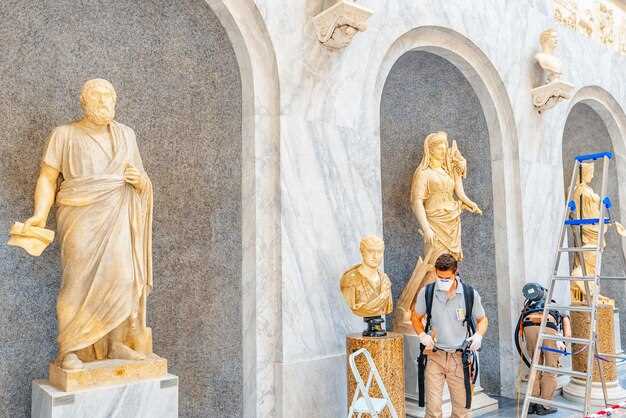
When preparing to climb St. Peter’s Dome, it is essential to gather the right equipment to ensure a comfortable and enjoyable experience. The journey under the dome may involve narrow passages and steep ramps, which means you should prioritize comfort in your choice of footwear. Sturdy shoes are a must, as they will protect your feet and provide good grip on the uneven surfaces. In some areas, the floor can be slick, so having supportive and well-fitted shoes will aid in maintaining your balance.
Aside from footwear, travelers should consider bringing a small backpack to hold essential items during the climb. This should include water to keep you hydrated and snacks to sustain your energy levels. It’s a great idea to have a light jacket or sweater since temperatures can vary dramatically from the bottom of the basilica to the higher elevations of the dome. Additionally, make sure you have your authorized entry ticket at hand, as it guarantees access to certain areas that are not open to all visitors.
As you prepare your gear, remember the importance of capturing the moment. A camera or smartphone is something you will want to have for documenting your climb and the stunning views of Rome that unfold as you ascend. Be mindful, though, as some places may have restrictions on photography, especially those hosting religious ceremonies. Keep your camera handy but respect the rules to maintain a harmonious atmosphere for everyone involved.
| Equipment | Cél |
|---|---|
| Strapabíró cipők | To provide support and grip on uneven surfaces |
| Small Backpack | To hold water, snacks, and other essentials |
| Light Jacket/Sweater | To accommodate temperature changes during the climb |
| Camera/Smartphone | To document the experience and views |
Lastly, take the time to plan your visit wisely. It’s advisable to arrive early to avoid crowds and to fully enjoy the whole experience of climbing and reflecting on Michelangelo’s monumental work. This way, you can appreciate the chapels, inscriptions, and angels that you’ve only looked at in photos before reaching the top. With everything in mind and your checklist done, your adventure to the highest point of the Vatican will be both memorable and fulfilling.