


 Magyar
  English (UK)
  Русский
  বাংলা
বাংলা  العربية
  日本語
日本語  한국어
한국어  Norsk nynorsk
  Türkçe
  עִבְרִית
  Español
  Čeština
  Svenska
  Português
  Ελληνικά
  Suomi
Suomi  Nederlands
  Română
  Italiano
  Français
  Polski
  Українська
  Deutsch
  简体中文
简体中文  Slovenčina
  Српски језик
  اردو
اردو  Azərbaycan dili
  O‘zbekcha
  አማርኛ
አማርኛ 
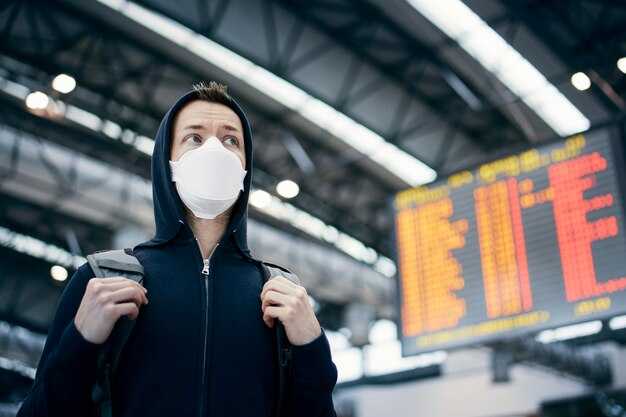
Kezdje ezzel az egyszerű szabállyal: csekkoljon be online, tárolja a beszállókártyáit egy mobil pénztárcában, és válasszon az időbeosztásához illő biztonsági sávot. Ezek a lépések csökkentik az érintkezést, felgyorsítják az átvizsgálást, és nyugodtabb szinten tartják a sorokat.
A világjárvány alatt a repülőterek több önkiszolgáló kioszkot, érintésmentes kaput és digitális kártyát helyeztek üzembe, ezzel megváltoztatva az emberek mozgását a terminálokon. Bár néhány utazó hiányolja a papírkártyákat, bárki, aki gyakran utazik, elmondhatja, hogy ezek a lépések csökkentik a várakozási időt és a papírjegyek okozta rendetlenséget.
Repülőgépek a beszállás kiszámíthatóbbá vált, világos időablakokkal és digitális beszállókártyákkal, melyek felgyorsítják a folyamatot. Egy ügynök segíthet a speciális kérésekkel rendelkezőknek, és kártyák a pénztárcájába ágyazva gyorsabban igazolhatja személyazonosságát, mint a régi papíralapú módszerek.
Ahogy valaki említette, a változás az érintésmentes bejelentkezéssel kezdődött, és a világ összes termináljára kiterjedt. Ezek a változások lehetővé teszik, hogy kevesebb kártyával és az alkalmazásokra támaszkodva közlekedj. Ha nem tudsz hozzáférni az alkalmazáshoz, tarts magadnál papír alapú beszállókártyát. Ha szerencséd van, elkerülöd a tömeget, és jobban ki tudsz kapcsolódni, amint eléred a kapudat.
Those vállalatok A fejlesztések mögött állók elkezdtek olyan jutalomprogramokat is kínálni, amelyek felgyorsítják a folyamatot a gyakori utazók számára. Ha valaki a hatékonyságot szeretné maximalizálni, készítsen egy gyors hozzáférésű rutint: az alkalmazásban ellenőrizze a terminált és a kaput, készítse elő a személyi igazolványát, és tudja, hogy az adott repülőtéren hol vannak a leggyorsabb biztonsági sávok. Így magabiztosan haladhat az érkezéstől az indulásig, kevesebb stresszel és több irányítással az ideje felett.
Podcast Transcript Vázlat
Kezdjük egy 20 perces interjúval egy nemrégiben utazó és egy első vonalbeli repülőtéri ügyintéző között, konkrét tanulsággal nyitva: az utasok most minden eddiginél jobban értékelik a sebességet, az átláthatóságot és a rugalmas lehetőségeket, beleértve az utazók személyes történeteit is. Ez a párbeszéd valós élményekben gyökerezteti az epizódot, és három vezérfonalat vázol fel: mi változott, mi maradt a régi, és mit tegyenek az utazók legközelebb.
1. szakasz: Háttér és számadatok A 2020–2021-es utazási visszaesés meredek volt; a forgalom 2023-ra sok régióban megközelítőleg a járvány előtti szintek felére állt helyre, azonban a helyreállítás régiónként és útvonalanként eltérő. Az adatok azt mutatják, hogy a foglalási időszakok rövidülnek; az utazók online hasonlítják össze a lehetőségeket, és elkezdik before indulásával, miközben a forgalom a csúcsévek alatt marad. Egy hivatkozott statisztika a mobil bejelentkezés a bevezetés aránya vegyes piacokon körülbelül 60%-ra emelkedik. Egy utazás során ezek a változások határozzák meg a tervezési időkereteket és a kockázattűrő képességet.
2. szegmens: Ami most számít A poszt-pandémiás utazó számára, Hozzáférés a repülőtéri szolgáltatások épp annyira fontosak, mint az ár. Az emberek azt akarják, easy biztonsági sávok, egyértelmű jelzések és kiszámítható eredmények. Ez a szakasz a következőket tárgyalja: means zökkenőmentes beáramlás: érkezést megelőző tervezés, bejelentkezés, és foglalás a súrlódást minimalizáló döntéseket. Megvitatjuk, hogyan szén a lábnyom-szempontok befolyásolják a döntéseket, a telekocsi időzítésétől a terminál kiválasztásáig.
3. szakasz: Egészség és ellenőrzés Az egészségügyi technológiai hivatkozások olyan példákkal jelennek meg, mint a binaxnow gyorsteszt az utazási folyosókon és a vény or around bottlenecks. Orvosi mentességek ellenőrzése, ahol engedélyezett. Említse meg a kísérleti programokat és a szemléletváltásokat, beleértve, hogy a tesztelések és a védőoltások hogyan befolyásolják az áthaladást a szűk keresztmetszeteken, illetve azok megkerülését. Hozzáférés kapukhoz és várókhoz. Tartalmazzon egy sort a következőről: poláris munkafolyamatok, amelyek biztonságosan kötik össze az utasadatokat a személyzeti sorokkal, és megvitatja, hogyan választanak az utazók útvonalakat a tesztelési követelmények alapján.
4. szakasz: Repülőgépek és kényelem A narratíva megjegyzi, hogy a repülőgéptípusok, beleértve a Boeingeket is, befolyásolják a kabinelrendezést és a beszállási mintákat. A házigazda véleményeket vár arról, hogyan lehet olyan járatokat választani, amelyek egyensúlyban tartják az árat, a menetrendet és a kockázatot, és arra kéri a hallgatókat, hogy hasonlítsák össze azokat. traveled hubsokban tapasztalható élmények között. A szegmens adatokra hivatkozik arról, hogy foglalás a döntések összhangban vannak a repülési modellekkel és az olyan intézkedésekkel, mint például bejelentkezés időzítés beállítása csúcsidőben változat időszakok.
5. szegmens: Gyakorlati tanulságok a hallgatók számára Teendőlista: összehasonlítás foglalás ablakok, bejelentkezés options, and Hozzáférés a várókba. Javasoljuk a mobil beszállókártyák engedélyezését és easy előzetes ellenőrzési lépések a kontaktpontok csökkentése érdekében. Javasoljuk az utazóknak, hogy tervezzenek a következőkkel: before a távozás és olyan mérőszámokat válasszanak, mint a teljes idő a járdaszegélytől a kapuig, ahelyett, hogy kizárólag az árat vennék figyelembe. Végül oszd meg thoughts az oldalon keresztül és közzétenni thoughts arról, hogy min javítsak legközelebb.
Zárójelzés The host invites listeners to reflect on how airport experiences will continue to adapt and to share thoughts on the site about what helped them travel more smoothly. End with a concise call-to-action to subscribe and rate the episode.
Pre-Travel Health Verification and Documentation
Start by compiling a health packet: proof of vaccination, the latest test result, a prescription list if needed, and clinician contact details. If you’re vaccinated, ensure the certificate carries your name, date, and vaccine type. Keep printed and digital copies accessible in a secure wallet.
Check the destination and layover rules. Look up official guidance from the airline, the destination’s health authority, and local regulators. For travelers from texas, review state guidance and any hub requirements that may apply. These checks reveal which documents to present at check-in or security, and where to show them if asked. Note: no credit is involved in the verification process.
Test details and timelines: Many destinations accept a molecular test (PCR) within 72 hours of departure or an antigen test within 24 hours; some require results in a specific format or a recognized lab report. If a policy offers a refundable change, verify the option during booking. Policies can shift in the future, so re-check within 48 hours of departure.
Authors of traveler guides and health researchers emphasize a simple routine: keep the packet up to date and know where to present it. These steps save time for gate agents and the jobs that keep travel moving. The economy benefits when those documents are clear, and those who move with well-prepared records save time and stress.
| Dokumentum | Details to include |
|---|---|
| Védőoltási igazolás | Vaccine name, brand, dates, issuing authority; digital or printed copy |
| Latest test result | Test type (PCR/antigen), date, passenger name, issuing lab |
| Prescription list | Medications, dosages, condition, prescribing clinician |
| Insurance and ID | Health insurance card, government ID, emergency contact |
Contactless Check-in, Security, and Boarding Procedures
Adopt a fully contactless workflow across check-in, security, and boarding to cut touchpoints and speed the flow. Here is a practical start: deploy mobile check-in, QR boarding passes, and digital IDs that travelers can present on their phones, throughout the airport experience, with staff ready to assist if needed.
Those gates rely on software and secure token exchanges, reducing handling and speeding entry. A hybrid approach combines self-service kiosks with trained agents to help in tricky cases, ensuring accessibility for all travelers. interesting observations from pilots show higher satisfaction when people can switch between touchless and assisted options.
Security lines benefit from optional biometric gates with clear opt-in controls, privacy-by-design data handling, and rapid identity checks. getty imagery highlights smooth flows as travelers pass through, providing a view into best practices and real-world outcomes.
Boarding uses digital zones and single passes, with one-scan verification clearing groups quickly. uniteds has tested a fully digital boarding flow in several hubs, reporting shorter lines and a smooth cadence at the apex of peak times, called a flow advantage by operators.
From months of pilots, the changes translate into measurable gains: check-in times drop by 30–45 percent in london terminals, security throughput climbs 20–35 percent, and those gains persist longer into peak windows. This changed life for staff and passengers reduces friction, while downturns in demand are handled with flexible staffing and rolling adjustments.
heres a quick checklist to implement. Listed here are steps to implement: map touchpoints, choose software partners with privacy controls, run months-long pilots, and track KPIs like wait time and boarding rate. No guessing–device-based passes verify identity. editor notes emphasize clear ownership and laying groundwork across terminals, which took time but paid off in longer-term gains.
Air Quality, Sanitation, and Cleaning Protocols in Terminals
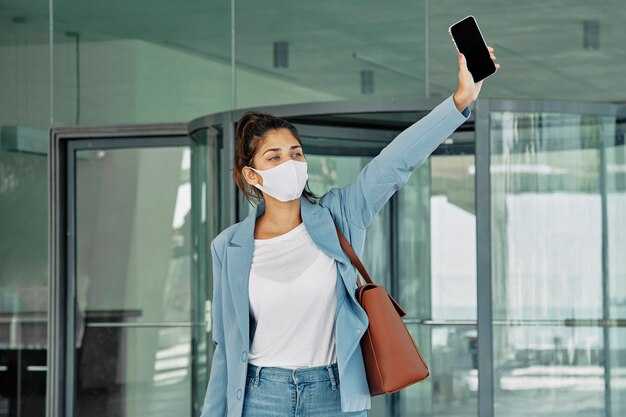
Ajánlás: starting now, upgrade HVAC filtration to MERV 13+ and maximize outdoor-air intake to reduce airborne contaminants; set CO2 targets below 700 ppm in occupied zones and test air quality hourly to verify outcomes. This emphasis on data-driven adjustments replaces guesswork and makes the environment safer for travelers throughout the terminal.
Sanitation should apply a layered protocol: clean high-touch surfaces every 2 hours, disinfectant with EPA-registered products following the labeled contact times, and increase restroom sanitation cycles in peak hours. Place portable HEPA units at gates and check lanes to provide additional air cleaning around crowded areas; these measures could quickly raise air quality and traveler confidence across terminals. theres no compromise on safety when data shows improvements.
Operational data drives decisions: log product usage, track cleaning cycles, and write dashboards that show data on reductions in viable pathogens and particle counts. If a given product underperforms, you could swap to an alternative and re-test within 24 hours; couldnt rely on one option, there are multiple options to consider. Introduce standard metrics like mean time between cleanings and percentage of surfaces within the 1-hour cleaning window, and express signage to guide passengers.
To sustain trust, publish concise results for travelers and staff throughout the united network; americans will see a consistent standard, with data shared elsewhere to benchmark performance. Training and audits start with frontline teams, and every shift receives clear expectations, ensuring fully compliant protocols within gates, baggage areas, and lounges.
Wayfinding, Crowd Control, and Time Management via Signage
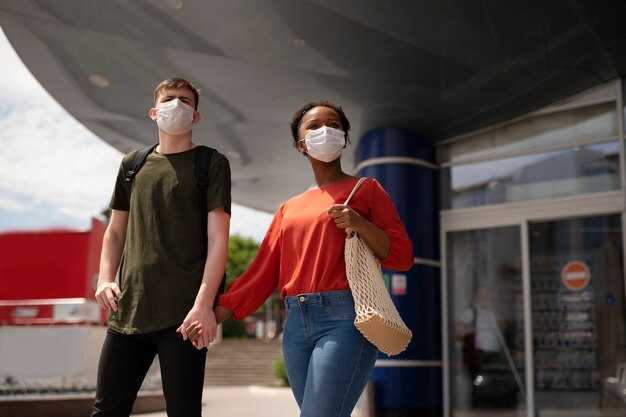
Install adaptive, color-coded signage at every entry, security corridor, and gate to show real-time queue lengths and the next step, so traveling passengers move with purpose rather than guesswork. Keep messages short so readers get the gist at a glance.
Adopt a same layout across terminals within the same chain, pairing icons with short labels so anyone can read while looking up from bags. Those mentioned routes should be reinforced at every intersection, and the data should feel true to what’s happening on the floor, which readers can trust.
Assign a principal owner–likely the operations or signage team–to keep content accurate. If gates change or flights are rescheduled, the sign updates instantly. The reason is to prevent travelers havent checked their schedules, and this approach reflects decisions made earlier to align with real-time data.
Link signage to real-time data: gate status, security wait times, and boarding reminders. If a queue stalls, guide those mentioned to alternative lanes within short distances. Use arrows and color cues to reduce hesitation into the next checkpoint, so anyone moving through the terminal can proceed soon.
Biometrics signage: clearly indicate biometric check locations and what to prepare. This helps someone traveling with kids or heavy bags move efficiently and reduces contact points at the gate.
Implementation requires purchase of durable, vandal-resistant panels with backlight; schedule weekly checks; update content within minutes of a change. In layoffs or staff reductions, signage must compensate for lower on-site presence, so travelers here can continue without delays. A company-wide, chain-wide standard helps avoid gaps when a supplier stopped delivering for any reason, and you can switch to a compatible option within the same chain. This supports longer planning horizons. The system can operate entirely without on-site staff.
Here, signage acts as a steady guide across the entire path, ensuring gate transitions happen faster and the experience remains calm for anyone arriving earlier or later.
Lounge Access, Dining, and Retail: Availability and Payment Changes
Plan ahead: reserve lounge access via the airline app and pay with a mobile wallet to streamline entry and reduce handling times.
Over the past months, lounge access, dining, and retail at major hubs have shifted toward limited capacity and digital payments. Antonio, a lounge team lead in Texas, has been tracking these changes and confirms a hybrid model now governs most networks: some access is covered by ticket or elite status, while others require a purchase. Travelers in the uniteds network often notice similar patterns in Singapore and beyond, where the process emphasizes speed and predictability rather than cash transactions at entry.
- Access availability and process: Limited capacity means online booking or pre-entry checks are common. Those having elite status keep priority, while others can purchase entry via the app or at kiosks. To avoid missed connections, plan months in advance for longer itineraries and coordinate with companions so you don’t wait alone in line.
- Costs and payment means: Digital payments dominate–contactless cards, Apple Pay, Google Wallet, and airline wallets are standard. Some lounges still offer entry via a paid pass, with prices varying by location and membership level. The purchase flow is meant to be quick, and in many cases the charge can be linked to your itinerary or lounge account for a covered or partial-cost experience.
- Dining changes: Dining now leans toward pre-order and packaged options to reduce queue times. The production cycle in kitchens prioritizes speed, so menus are streamlined and available to those who use the app to reserve a time slot or pre-order ahead of arrival. Those who loved chef-driven experiences may notice fewer live stations, but the speed and reliability improve life on the move.
- Retail and checkout: Retail spaces favor digital receipts and QR-based checkout. Many stores in hubs like Singapore and Texas tie purchases to the passenger’s lounge app or loyalty account, reducing physical contact. Those purchases are often covered by passes or point accruals when applicable, making the overall experience smoother for travelers managing tight connections.