


 Magyar
  English (UK)
  Русский
  বাংলা
বাংলা  العربية
  日本語
日本語  한국어
한국어  Norsk nynorsk
  Türkçe
  עִבְרִית
  Español
  Čeština
  Svenska
  Português
  Ελληνικά
  Suomi
Suomi  Nederlands
  Română
  Italiano
  Français
  Polski
  Українська
  Deutsch
  简体中文
简体中文  Slovenčina
  Српски језик
  اردو
اردو  Azərbaycan dili
  O‘zbekcha
  አማርኛ
አማርኛ 
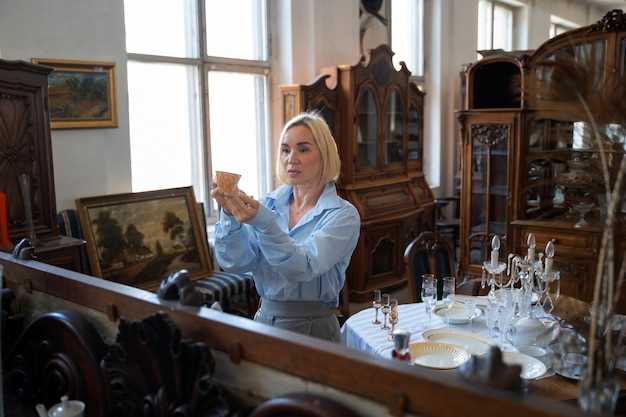
Berthe Weill was not just an art dealer; she was a visionary who brought the enchanting world of early-twentieth-century avant-garde art to a wider audience. Operating her gallery in the heart of Paris, Weill featured artists like Henri Matisse and Amedeo Modigliani, who would one day be recognized as some of the greatest figures in modern art. Her gallery served as a space where the revolutionary ideas of jeunes artistes could thrive, challenging the norms and aesthetics of their time.
Weill’s establishment was a vital launching pad for many prominent careers. She was an outspoken advocate for her artists, working tirelessly to shed light on their compelling narratives and groundbreaking works. Her keen eye for talent allowed her to identify emerging artists who, like André Derain and Maxime Dreyfus, would go on to shape the course of art history. The gallery not only opened doors for these creators but also fostered a deeper appreciation for the avant-garde within the American and French art scenes.
The legacy of Weill’s contributions continues to resonate today, even at institutions like the Musée national d’art moderne – Centre Pompidou (MNAM-CCI) and the Musée de l’Orangerie. As a prominent figure in the art world, she charged ahead in a predominantly male industry, establishing herself as a formidable force by the very nature of her work. An examination of her life and career reveals a fascinating portrait of a woman who not only navigated the complexities of the art market but also became an integral part of the artistic landscape of her time.
Early Life and Apprenticeship
Berthe Weill was born into a family that cherished the arts, which greatly influenced her path in life. Growing up in France, she was exposed to various artistic movements that flourished during the late 19th and early 20th centuries. Her mother, a passionate art lover, supported Berthe’s early interests, encouraging her to explore the world of drawings and paintings.
In her formative years, Weill became captivated by the vibrant creativity of the Parisian avant-garde. The artistic light shone brightly around her, comprising not just established icons but also rising stars like Amedeo Modigliani and the Fauves. She sought opportunities to immerse herself in this dynamic society, where artistic independence was both celebrated and challenged.
To further her journey, Berthe Weill undertook apprenticing under various art dealers, gaining insights into the intricacies of the gallery system. Her time spent at the renowned Hyland Gallery allowed her to learn about the management of exhibitions and catalogues, processes that would later shape her own vision as a dealer. Through the work with these galleries, she developed a keen eye for talent, particularly among female artists, whom society often overlooked.
Despite facing numerous obstacles, including persistent antisemitism and poor health, Weill remained audacieuse in pursuit of her dreams. Her tenacity fueled her autonomy, setting her apart from many of her contemporaries. She fervently believed in supporting the artists she admired, creating a space for them to express themselves freely. This dedication would inspire a generation of artists, regardless of gender or background.
Throughout the années, Berthe Weill’s focus remained on fostering overlooked talent, often drawing attention to women’s contributions in the arts. Her early experiences shaped her understanding of the art market and her commitment to inclusivity. By curating works that challenged societal norms, she ensured that the voices of women artists resonated within the broader narrative of modern art.
She later established her gallery, which became a hub for artists who had been marginalized. Weill’s exclusivité in selecting exhibitions reflected her belief in the importance of diverse perspectives, thereby elevating artists who might have otherwise been forgotten. Her legacy continues to influence the art world today, proving that the charge for independence and representation in the arts is a timeless endeavor.
Birth and Family Background
Berthe Weill was born in 1866 in a time when the world of art was undergoing monumental transformations. Her family came from a Jewish background, which played a significant role in shaping her worldview and her future career as a gallerist. Her father was a prosperous merchant based in Limoges, instilling in her the values of hard work and independence from a young age.
Growing up, Weill was surrounded by the vibrant culture of Montréal, where her family had moved. The city’s art scene exposed her to various artistic movements, allowing her to develop a keen interest in painting and sculpture. While she was deeply influenced by her family, it was the emerging avant-garde of the time that truly captured her imagination.
Weill overcame many obstacles early in her career, particularly as a woman in a predominantly male industry. She showed remarkable resilience, learning the business from the ground up. Apprenticed to various established galleries, she refined her skills and gained invaluable experience, ultimately leading to her desire to establish her own space in Paris.
- Seized opportunities despite societal constraints
- Composed a rich network of artists and intellectuals
- Gained knowledge from established gallerists
In Paris, Weill’s gallery quickly became a center for avant-garde artists. She worked tirelessly to organize large-scale exhibitions that showcased some of the most seminal works of the time, including those by André Derain and Amedeo Modigliani. Her gallery, located in the bustling Taitbout area, became a haven for both emerging and established artistes seeking a platform to hang their works.
The police interference during the Dreyfus Affair also had a profound impact on Weill’s activities, as it underscored the fragile socio-political context in which she operated. Many artists, including those she represented, felt particularly attuned to the political climate, which fueled their creative visions. Weill became a passionate advocate for her artists, often fighting against societal norms and pushing against the boundaries of conventional art.
Despite the challenges throughout her career, including the tragic death of her beloved mother, Weill demonstrated unwavering determination. She finally cemented her role as a visionary businesswoman and a pioneer in the world of art dealing. Although she may have been forgotten by some in the art history narrative, her contributions to the avant-garde and her commitment to independence resonate throughout the worlds of art and culture today.
Education and Influences
The foundation of Berthe Weill’s career as a pioneering art dealer was built upon her robust education and varied influences, which contributed significantly to her understanding of the art world. Attending the École des Beaux-Arts, she was exposed to the formal teachings that shaped many of the greatest artists of the time. This education allowed her to appreciate the intricate details within modernism, an art movement that began to redefine the standards of visual expression.
Weill’s journey into the avant-garde was not merely academic; it was interwoven with personal influences. She forged relationships with various artists, including the *fauves*, whose audacious use of color and form left a striking impression on her. Such connections helped her curate exhibitions that would later present the works of these often forgotten icons to new audiences. Her gallery became a space where revolutionary ideas flourished, showcasing art that challenged conventional boundaries.
Throughout her career, Weill’s dedication to organizing exhibitions allowed her to showcase not only well-known artists but also the *unknown*. She recognized the potential of lesser-known talents, believing that their contributions were vital to the evolution of modern art. This vision was reflected in the catalogues she produced, which included works from diverse movements and styles, highlighting the rich tapestry of artistic expression.
One of the most influential periods of her life came when she started collaborating with important institutions, including three leading museums: the Palais de Tokyo, the Musée d’Art Moderne, and the Montreal Museum of Fine Arts (MBAM). These collaborations amplified her public profile and expanded her reach across the world. Exhibitions hanging at these venues often included the works of André Dreyfus, Valentina Slezak, and Émilie, among others, further strengthening her role in promoting groundbreaking art.
Weill’s financial acumen played a crucial role in her ability to support artists who might not have survived without her patronage. She understood that beyond the aesthetics, the business of art required a deep-seated commitment to nurturing talent. This aspect of her work is often overlooked but crucial in ensuring that many artists were not only recognized but also sustained through the economic challenges of their time.
As a female dealer navigating a male-dominated sphere, Weill’s story is one of resilience and determination. She often stood firm against the prevailing norms, believing deeply in her vision for what art should be. Her gallery, situated at 28 rue de la Taitbout, became an emblem of her audacity, pushing against boundaries and embracing innovation at a time when such attitudes were still developing.
Her archives, now preserved and accessible through resources like RMN-Grand Palais, serve as invaluable materials for researchers and art enthusiasts alike. They chronicle not only her exhibitions but also the evolution of various art movements over decades. Each *darchives* entry is a testament to her commitment to preserving the history of modern art while showcasing a diverse array of talents.
In conclusion, Berthe Weill’s education and influences were multi-faceted, combining formal training, personal relationships, and a keen business sense. The spaces she created and the artists she championed have left an indelible mark on the art world, ensuring her legacy as one of the leading figures in the history of modern art. Her work continues to inspire future generations, advocating for artistic freedom and expression across varied worlds.
Initial Exposure to the Art World
Berthe Weill’s foray into the art world began in a milieu comprising various expatriates, artists, and intellectuals who were challenging conventional norms. Frequently visiting galleries in Paris, she developed a keen curiosity about the evolving styles that different artists showcased. This environment not only fostered her understanding of the fine arts but also inspired her to step into the role of a dealer herself. The burgeoning avant-garde movement was marked by audacious experimentation, and Weill wanted to be at the forefront of this cultural revolution.
In her initial days, Weill was particularly captivated by the works of the Fauves, a group known for their bold use of color and expressive brushwork. It was during this time in New York that she began to form relationships with several key figures in the art community. Among these was Michael, a fellow enthusiast who introduced her to lesser-known talents, including Spanish artists who were making waves within the avant-garde circle yet had somehow remained forgotten by established dealers. This network significantly influenced Weill’s future endeavors.
| Város | Notable Artists Featured | Style |
|---|---|---|
| Párizs | Fauves | Expressive Color |
| Montreal | Hermine | Innovative Sculpture |
| New York | Certain Expatriates | Contemporary Works |
Her first exhibition, held in 1910, showcased works that reflected the independence of artists who were first navigating what it meant to express themselves outside traditional boundaries. Although the exhibition initially garnered mixed reviews, it represented a critical stepping stone in Weill’s career as a dealer. She quickly learned the complexities of pricing and marketing artworks, skills that would later prove indispensable in her journey.
Weill’s impact on the art world continued to grow, particularly as she became known for organizing exhibitions that challenged societal norms. Her outspoken nature and willingness to shed light on marginalized artists set her apart in a time when many were complacent. Through her determination and resourcefulness, she established herself as a pioneering figure in avant-garde art, forever changing how contemporary works were perceived and valued in the global art community.
Berthe Weill Avant-Garde Gallery Owner

Berthe Weill was an influential figure in the world of modern art, establishing herself as a pioneering gallery owner in Paris during the early 20th century. Her unwaveringly dedication to promoting emerging artists contributed significantly to the avant-garde movements of the time. She played a crucial role in the careers of many significant artists, including Henri Matisse and André Derain, making her gallery a hub for innovation.
She was one of the few women to own a gallery during an era dominated by male figures. This unique position allowed her to foster a nurturing environment for avant-garde artists, which included Fauves like Georges Braque and Fernand Léger. By introducing these artists to collectors and institutions, Weill helped elevate their status in the art world.
Weill’s gallery was a place where groundbreaking techniques and bold colors were celebrated. Presenting exhibitions that featured both paintings and sculptures, she showcased a daring array of works that pushed the boundaries of traditional art. Her exhibitions not only attracted collectors but also drew the attention of major museums. Her response to the shifting art market was astute–she adapted her offerings to meet the evolving tastes of her contemporaries.
- Weill hosted exhibitions that introduced numerous avant-garde artists to the public.
- Some of her most important shows included works from the Fauvist movement.
- The gallery was often a first stop for collectors looking to discover new talents.
In a world that often marginalized women, Weill’s contributions were vital in establishing a more inclusive art market. She provided a platform for artists who might have otherwise struggled for recognition. Her network with prominent collectors reaffirmed her gallery’s status as an important site for modernism during her time.
However, as the art market evolved, so did the challenges she faced. The financial struggles of the 1930s affected her health and ultimately led to the closure of her gallery. Despite this setback, Weill’s legacy remained strong, as she continued to be a significant figure in discussions about art and justice for artists.
The number of artists who benefited from Weill’s platform is remarkable. Nearly every exhibition she organized was a reflection of her commitment to presenting innovative works. Figures like Michael Gumpert and Hermine Mañach, among others, owe a part of their success to her unwavering support and guidance.
Today, art historians and enthusiasts alike look back on Berthe Weill’s contributions with admiration. Her foresight and dedication allowed countless artists to thrive in an ever-changing market. Weill’s ability to navigate the complexities of the art world serves as an inspiration for future generations, reminding us of the importance of fostering creative communities that can exist regardless of gender or background.