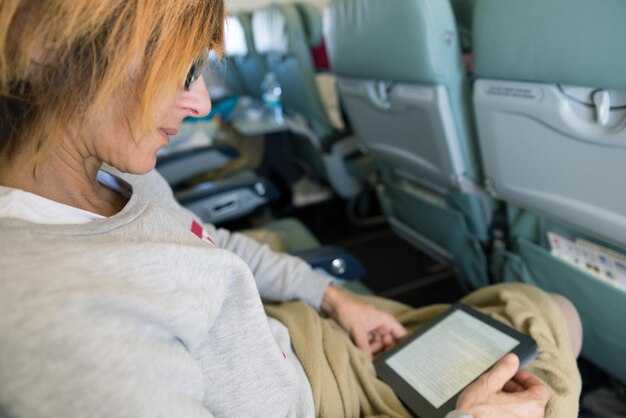

Choose a window seat if you want shut-eye and fewer disturbances; opt for an aisle seat if you need quick access to the aisle. This choice shapes your comfort away from the bustle and helps you rest on flights to destinations you care about. If you travel with parents or kids, sit near the wings for steadier handling and easier access to the lavatory.
Mind the seat map on your airline’s site or app to lock in seats. The option to choose seats varies by carrier: some offer free selection, others charge an additional fee or release seats only after check-in. For a group, picking seats in the same row makes there easier to stay together and reduces the need to shuffle everyone’s foot area when boarding. In an instance like a quick layover, early seat selection matters.
Economy seat pitch is typically 30-32 inches, with premium economy around 38-40 inches; exit-row seats add 2-6 inches of leg room but may limit seating for children or people with mobility aids. If you want more space without a big upgrade, monitor prices during the last-minute window and grab an option that fits your budget.
For families traveling with kids or parents, pick seats near the front or middle of the cabin for shorter transfers from the door to your row; being near the wings often provides a steadier ride. If you need a bit more room, request an additional seat at check-in or at the gate, especially on smaller aircraft where load is light.
Traveling often with the same airline can unlock better seats or waived additional fees, and a clear mind about your priorities helps you pick fast. Use this approach to align your seat choice with your travel plans and the destinations you visit.
With these steps, you increase your chances to secure a comfortable space and keep your plans aligned with your preferences. Start by identifying your priorities–quiet space, easy access, or a seat together–and use the airline’s tools to select your best option. certainly, this approach enhances your comfort for the next destinations you visit.
Practical Seat Selection Guide
Choose a seat over the airplane-wing for the smoothest ride and easy access to the aisle. While turbulence is felt less there, this zone also keeps you closer to traffic for a quick break. Look at the seat map during check-in to compare rows near the galley and away from busy lavatories, so you avoid extra noise and foot traffic.
On longer journeys, target about 32 inches of pitch, which is common in front or mid-cabin rows on many planes. If you want more space without paying, seek bulkhead or exit-row seats, but be aware of restrictions: no under-seat storage, extra legroom in some rows, and rules about who can sit there. Example: a typical narrow-body layout often shows 32 inches in these zones, with quick access to the aisle and a calmer feel near the wing.
Sleeping comfort depends on light, noise, and nearby activity. Pick seats where you can rest your feet flat and avoid overhead bins that swing during service. If the galley is nearby, expect more interruptions for meals and drinks; for a quieter night, prefer rows farther from the galley and front lavatories. Sleeping becomes easier when you also use a neck pillow and eye mask, letting you stretch out longer even if the cabin hums.
Tricks to snag better seats without extra fees: during check-in, use your phone to view seat maps at 24 hours and again close to departure; airlines sometimes release or swap seats before the flight. If your top choice vanishes, pick a seat with solid access to the aisle for quick exit, and aim for a spot near the wing to reduce turbulence perception. This approach helps you stay comfortable, especially for longer hops, and increases the chance of finding a seat that fits your plan.
Before you break the routine, coordinate with your travel companion so you can sit together, maximizing conversation without shouting. Look at the figure of merit–distance to the aisle, noise level, and legroom–to guide your pick. If you’re lucky, you’ll land a seat with favorable access, a bit more space for your feet, and a smoother ride, making the whole trip feel shorter.
Identify Your Seat Priorities: Legroom, Noise, and Proximity to Amenities
Book seats with extra legroom in the front half of the cabin, especially premium or exit-row options, to gain quick deplaning and more comfortable legs while travelling. The gold standard for comfort combines space, sound levels, and convenient access to amenities, making the journey smooth from the start and easy to maintain your routine.
Legroom varies by place and aircraft. Exit-row and bulkhead seats typically provide more pitch; you’ll often gain 6–9 inches over standard economy, while bulkheads can also affect storage options. If you pick an aisle seat in an exit row, either on the left or the right side, you’ll have easier access to the aisle without disturbing a window passenger.
Noise matters: to cut sound levels, choose seats toward the front of the cabin and away from a noisy galley or lavatories. Engine hum tends to drop toward the nose, but galley activity and foot traffic can make nearby rows noisier. Consider seating over the wing or in the front third of the cabin for a quieter flight, noting that this varies by aircraft and airline.
Proximity to amenities affects your workflow. If you value quick service and easy retrieval of items, seats near the galley or lavatories can be convenient, but they bring more activity and foot traffic. Window seats provide a view, while aisle seats offer quick access to the aisle; for a calmer ride, pick seats farther from galley and lavatories while staying near your preferred access.
Decision tips: check the exact pitch and space on the airline's map before you book, as levels differ by aircraft. Once you book, review periodically for seat changes and consider rebooking if a better option becomes available. Use a trusted Source to verify seat configuration; carrier seat maps and independent guides help you compare options across flights. For a traveler on American or other lines, compare premium economy seats across the same routes to find equal value in legroom and quiet, then book early to lock in preferred place.
Understand Seat Types: Aisle, Window, and Center Seats and Their Pros and Cons
Choose an aisle seat for most trips; it makes access to the aisle easier, allows you to stretch, and speeds deplaning at the door.
| Seat Type | Pros | Cons | Best For / Tips |
|---|---|---|---|
| Aisle | Easy access to the aisle, quick bathroom trips, space to lean and shift, armrests on your side, lower chance of blocking a neighbor, front sections often offer shorter lines during boarding. | More foot traffic and service carts, armrest may be shared with the middle seat, cooler air from the aisle sometimes; less window view than a window seat. | Best For solo travelers and sleepers who want flexibility; when choosing, pick a seat closer to the front for faster exit and to reduce disturbances. If you want extra peace, consider a seat that is not next to a galley or door to avoid noise. |
| Window | Private feel near the wall, excellent view (windows), stable space to sleep by leaning against the fuselage, less traffic from neighbors during rest periods, few interruptions on long legs of the flight. | Harder to reach the lavatory, may block access to aisles for others, you’re committed to that wall-side position if you want to look outside. | Best For scenery lovers and travelers seeking quiet; when available near the airplane-wing, the view can be striking on ascent. If you intend to sleep, place a small item under the seat in front to create a little extra space for your feet; if you travel with a partner, windows are less likely to collide for shared time. |
| Center | Stays close to a travel partner in a 3-across configuration, can be manageable on short flights with two other seats, sometimes offers more equal proximity to route changes in dense cabins. | Most cramped, two armrests shared with neighbors, hardest to access the aisle, sleep and movement are limited, higher chance of being squeezed during meal service. | Best For traveling with someone you want to sit beside or when the aisle and window are both taken in a full flight. If you must take center, choose a row with a premium configuration or a smaller plane; you may find a more comfortable arrangement in first-class or premium economy where the center seat is displaced. |
Finding the right fit depends on the aircraft configuration, door location, and whether you value space or speed. Depending on the airline, a front-row aisle seat can be a value choice that reduces crowding and makes sleep easier. If you’ve been monitoring layouts, you’ll notice that the best options often vary by plane type and whether the seat map has been updated; you can book a seat that keeps you close to the air, with less contact in the cabin.
Read the Aircraft Seat Map: Layouts, Row Numbers, and Hidden Constraints
Check the online seat map for your exact aircraft type before booking, and lock your ideal seat in the booking flow to avoid last-minute changes.
Seat layouts vary by model. On many boeing narrow-bodies you’ll see a 3-3 arrangement, while widebodies use 2-4-2 or 2-3-3 across economy. The map reflects the galley and wing structure; a section near the galley may split into blocks that affect row continuity.
Row numbers guide your location. In some configurations, numbers reset after a galley or transition to a premium cabin, and some airlines omit row 13. Check the legend and count across sections to ensure you pick the right seat.
Hidden constraints include exit-row rules, proximity to the galley, and the location of carts and lavatories. Exit rows require able-bodied adults; seats near the wing may have different space due to structure. Carts and service activity bring noise at times, and seats by the galley see more foot traffic. If crying babies or light sleepers are in your party, knowing these spots helps you avoid surprises.
To make a smarter pick, use the online seating tool in check-in to filter by seat type and features, then lock in your choice in booking. If you travel with a companion, you can choose either a window or an aisle to stay close or maximize space. Look for seats with fewer disturbances–away from galley traffic, lavatories, and carts–especially on longer flights. This can deliver a more comfortable experience across different airlines and routes, including flights to singapore.
Details matter: seat pitch and width vary; in economy you typically see a pitch around 31-32 inches and a width near 17 inches, with minor variations by model such as boeing 737 or boeing 787. Always check the exact numbers for your aircraft in the map; small differences add up, giving you more value when you choose a seat with comfortable legroom and a clear path to the aisle.
In emergencies, evacuation considerations are shown on the seat map; while the chance of fatality is very small, selecting a seat with quick access to an exit can influence evacuation speed and safety. Reading the map supports informed decisions and reduces stress when boarding.
Timing Your Choice: When to Pick Your Seat for Best Options
Pick your seat at check-in to secure the best options.
Timing matters: unclaimed seats can vanish every minute, and if you wait you might be bumped into a cramped place near the aisle or behind the wing.
Check-in opens early, and for american carriers early access often improves your options. Use the seat map to compare options above and behind the wing, and read the comments from other travelers for hints. Because layouts vary, set a timer and save a good place before it is gone.
Depending on your status, fare, and recently updated policies, your seat choice changes. If you need help, call the airline to assist. You can also leave a brief note in the remarks with an additional tip: specify your preference and request a better place if available. Mind your own comfort and consider how your seat position will affect your activity during the flight, especially on longer legs, to keep yourself comfortable.
To maximize safety and comfort, choose a row above the wing for stability and a stable ride; that spot is often safer in turbulence and tends to stay less noisy. This can be a safe choice for a smoother ride. If you prefer not to risk a back-of-the-plane assignment, aim for a same-block area near the middle, where the ride tends to be steadier. Never assume the same seat will remain unclaimed; check again at check-in or at the gate, and adjust if options improve. This isn’t guaranteed until you see the seat map.
Leverage Tools and Tactics: Airline Apps, Seat Maps, Upgrades, and Check-in Strategies

Use the airline app to lock a specific seat early, then monitor upgrade opportunities and real-time changes up to takeoff. This reduces risk of being stuck in a cramped spot and helps travelling families plan for rest and safety.
Key tactics for seat selection and boarding:
- Lock a seat quickly: In the app, view the full seat map for your boeing flight, select a window or aisle with an armrest, and confirm adjacent seats if travelling with ones. For infants, check bassinet availability and keep access to the aisle for quick assistance.
- Read the map for optimum choices: On boeing configurations, seats near the wing offer a smoother ride; skip seats directly in front of the carts where service noise peaks; consider exits only if you meet safety criteria (sufficient mobility, etc.). Also weigh personal preferences like being able to rest against proximity to the galley.
- Upgrade smartly: Use mileage balance, app offers, or bidding options. If comfort matters on a long haul, first-class can be a worthwhile option; you can also save money by targeting mid-cabin seats with extra room when the price isn’t right.
- Check-in strategy: Check in as early as allowed (often 24 hours before departure) to secure better seating. If the map shows full, revisit the app at or near the check-in window and ask at the gate when staff have a moment. Early check-in also helps with infants by ensuring space for bassinet or seat layout.
- Onboard comfort and safety: Windows seats help you rest, while aisles provide quick access to the cabin. If you’re travelling with a group, near the exits can offer extra room, but only choose them if you’re eligible and understand the safety brief. Always plan for room to stretch your feet and avoid a lack of space.