


 עִבְרִית
  English (UK)
  Русский
  বাংলা
বাংলা  العربية
  日本語
日本語  한국어
한국어  Magyar
  Norsk nynorsk
  Türkçe
  Español
  Čeština
  Svenska
  Português
  Ελληνικά
  Suomi
Suomi  Nederlands
  Română
  Italiano
  Français
  Polski
  Українська
  Deutsch
  简体中文
简体中文  Slovenčina
  Српски језик
  اردو
اردو  Azərbaycan dili
  O‘zbekcha
  አማርኛ
አማርኛ 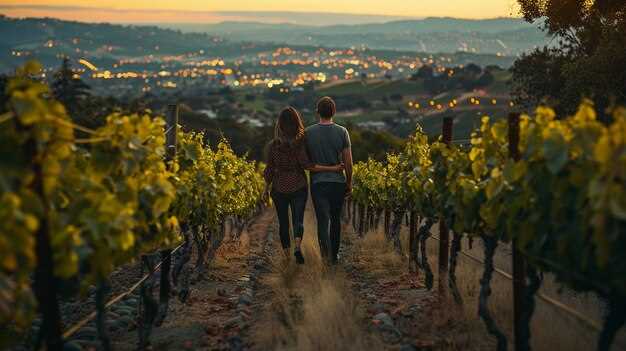 הכרמים הטובים ביותר באיטליה – האזורים ויקבים המובילים לחובבי יין">

התחילו באלבה לטעימה מרוכזת של תרבות היין של פיימונטה, שם אחוזות בבעלות משפחתית מציעות טעימות החושפות את האינסטינקטים הוויטיקולטוריים והטכניקות המודרניות של האזור. אתם יכולים ללגום wide מערך יינות, מארנייס צונן ועד לנביולו עשיר, בעוד סיור מודרך במרתף מסביר על תהליך ההתיישנות, מקור הטרroir על צלע הגבעה, והטיפול מאחורי כל תווית בצל הדולומיטים בימים בהירים. הזמינו התאמה המדגישה מנות מקומיות מיוחדות – ריזוטו אל טרטופו או בשרים צלויים – ותצאו עם תחושה מדויקת מדוע אלבה נשארת חובה לנסות תחנה לחובבי יין.
אחר כך סעו דרומה לסולקיס בסרדיניה, שם רוח ים ואדמות חרסית-אבן גיר מעצבים קריניאנו וורמנטינו עם חמיצות בהירה וסיומת מינרלית. באומבריה, קבוצה של יצרני בוטיק מיישמים טכניקות גידול גפנים ממושמעות – בציר ידני, השקיה בת קיימא ותסיסה עם שמרי בר – כדי לכלוא ניחוחות בכוס ולכבד את התרבות המקומית של ייצור היין.
בעמק ונטו, יינות קוסטוזה מבקבוקי אגם גארדה משלבים תווי עשבי תיבול ארומטיים עם סיומת פריכה. מספר אחוזות לייצור יין מזמינות מבקרים לסיורים מודרכים, המאפשרים לראות כל שלב - מניהול הכרמים בשורות שטופות שמש ועד לבקבוק קפדני - ומציעות שילובים עם ריזוטו פירות ים ושמן זית מקומי, מה שהופך את האזור לתחנה מעשית למסלול מעוגל היטב.
לסיום, חפשו עצירה בסיציליה המציגה פרפאטו לצד בלנדים עכשוויים. אלנה, יצרנית יין החולקת פילוסופיה נגישה, מדריכה טעימות המציגות מערך של זנים ואת המלאכה שמאחורי כל בקבוק. אלנה מציינת כיצד האקלים, האדמה ותזמון הקטיף מעצבים את הארומות, תזכורת לכבוד של איטליה לאדמה כ source של טעם במסורות ייצור היין. החוויה מחברת את תרבות יינות הבית עם מסורת רחבה יותר, ומעניקה לכם טעימה מוחשית מתרבות ייצור היין של איטליה.
פרנצ'קורטה ולטלִינה מלומברדיה: בחירות פרקטיות לחובבי יין
המלצה: להתחיל בטעימות בוקר חד פעמיות בקא’ דל בוסקו, יקב בולט השוכן בעמק ממוזג ליד אגם איזאו, שם ענבים הגדלים באזור משתנים לפרנצ'אקורטה מבעבעת בשיטה המסורתית.
Franciacorta נוצץ כמסורת מבעבעת צפון איטלקית. התמקדו בתערובות של שרדונה, פינו ביאנקו ופינו נואר המיוצרים בשיטה המסורתית, כאשר ביקבוקי ריזרבה חושפים גיל ומורכבות נוספים. הזמינו מראש סיורים מוגבלים ובחרו טעימה המדגישה תווי הדרים, בריוש ומינרלים המגדירים את הסגנון.
בוואלטלינה, עברו ליינות אדומים הדומיננטיים על ידי ענבי נביולו לאורך מדרונות טרסות של קיאוונסקה. מסלול קלאסי כולל ספורצאטו די ואלטלינה, שבו ענבים מיובשים חלקית מרכזים טעמים לפרופיל נועז וארומטי, וריזרבה שמראה פוטנציאל יישון. חפשו יצרנים עם אחוזות צדדיות מעל 400–600 מטרים עבור חומציות יציבה וטאנינים דחוסים.
אפשרויות מעשיות לחובבים: מסלול טיול אחד יכול לשלב טעימות פרנצ'קורטה עם טעימות נביולו בואלטלינה. עיינו ברשימות הבקבוקים כאן אצל מומחה מקומי כדי להשוות בין שנות בציר, כולל ברוט צעיר וריזרבה מיושן. אם תרחיבו את המסלול, פרימיטיבו ממנדוריה או ורנאצ'ה מאנקונה מציעים ניגודים מעניינים, בעוד שטינטיליה ממוליזה מוסיפה נופך נוסף להרפתקה החוצה את איטליה שלכם. לאוהבי פסטה, שלבו ריזוטו קרמי עם פרנצ'קורטה צונן כדי להשלים את המנה ולהישאר רעננים בין המנות.
כדי למזער את הנסיעות ולמקסם את הזמן בכרמים, מומלץ ללון למרגלות הרי ברשיה עבור פרנצ'אקורטה או בסונדריו עבור ולטלינה. רכב יכול לעזור, אך יקבים רבים מציעים טעימות בהדרכת מומחים עם אפשרויות הסעה, המאפשרות לשלב ביקורים ביקבים עם ארוחות קלות כמו פסטה או פירות ים.
הבחירות האלה מוכרות בזכות האיכות שלהן ומציגות את עוצמות היין הלבן והאדום הצפוניים של לומברדיה, ומציעות מבט תמציתי על הסיבה שאזור זה נמצא בחזית היין האיטלקי.
פרנצ'קורטה: יקבים שאסור לפספס ויינות מבעבעים מובילים
התחילו את ביקורכם ב- קא’ דל בוסקו בארבוסקו כדי לטעום את קוביית הדגל אנמריה קלמנטי, אמת מידה למוס המינרלי, הקרמי והחומציות המדויקת של האזור.
מִשָּׁם, סִירְקוּ בֶּלָּה וִיסְטָה בארבוסקו, היכן ש אלמה מבטא ביטוי מואר של אלגנטיות מונעת אקלים וסיומת תוססת ומאוזנת היטב המשתלבת עם ריזוטו פירות ים. אפילו סצנות קולינריות בהשראה טוסקנית סמוכות מעשירות את הביקור.
אחר כך, עצור ב ברלוצ'י בקורטה פרנקה כדי להשוות את האייקוני 61 סגנון עם מהדורות וינטג', תוך ציון כיצד הבעבוע המעודן שלו נושא חרוזים עקשניים וסיומת מינרלית קלה.
קונטאדי קסטלדי באזור אדרו מוצעת חוויית טעימות מודרנית סביב האגם עם ברוט וסאטן המציגים סגנון ייחודי ונגיש מאוד ואפשרויות שידוך אוכל חזקות.
בברכה, בארונה פיציני בפרובאליו ד'איסאו, יצרן היסטורי העוסק בחקלאות אורגנית; טעמו מהסאטן והרוזה ברוט שלהם, המדגישים איזון מעולה של פרי ועידון מינרלי.
למי שמתעניין באחוזות קטנות ואינטימיות, חפשו ביקורים לא שגרתיים סביב האגם; אפשרויות אלה מספקות תרבות אישית ומעודנת וחיבור ישיר לאנשים שמאחורי היין.
האקלים ומזג האוויר באזור תורמים לחמיצות בהירה ולסיומת ארוכה, כאשר לילות קרירים שממותנים על ידי אגם איזאו מסייעים לשמור על רעננות לאורך שנות הבציר.
חוויות אלה משלימות השוואות עם הערות ונציה הסמוכות; בעוד קוסטוזה מסמלת מסורת לבנה קלילה יותר, פרנצ'אקורטה שומרת על הסגנון הייחודי והעיקרי שלה – מצוין לרגעים חגיגיים וללגימה יומיומית כאחד.
מעבר לפרנצ'קורטה, טועמים סקרנים יכולים לחקור את החך האיטלקי הרחב יותר על ידי התייחסות למספר זנים קלאסיים כמו אליאניקו וטינטיליה, או סממנים אזוריים כמו סולצ'יס ואומבריאס בתפריטי טעימות, כמחווה למגוון של המדינה תוך שמירה על התמקדות ביינות מבעבעים סביב לומברדיה.
סיורי מרתפי פרנצ'אקורטה: ממערות תת-קרקעיות ועד טעימות מודרכות
הזמינו סיור במרתף פרנצ'אקורטה שמשלב מערות תת-קרקעיות עם טעימות מודרכות. כדאי להתחיל באחוזה כמו Ca’ del Bosco, שם המנהרות הגיריות מכילות בקבוקים שמתיישנים בשקט לאורך מתלים מעץ, בעוד מארח בעל ידע מסביר את ה שיטת שמפיין מאחורי הניצוץ של פרנצ'אקורטה. אתם נהנים ממגוון רחב שנע בין בלאן דה בלאן צעיר וחד ועד לסגנונות עשירים ומפותחים יותר, מה שמוכיח איכות איכות חשובה יותר מכמות.
בתוך המערות, אקלים קריר ויציב מנחה את ההתיישנות; הסיורים מסבירים את עבודת הגפן, כאשר שרדונה ופינו נואר הם זני הליבה. למי שמטייל, אם אתם interested בניגוד לאזורים אחרים, המדריך מציין שקורבינה היא מרכיב עיקרי בוונטו ולא אופיינית לכאן, ועוזר לך להשוות מרקמים וארומות. לאחר מכן, טעימה מודרכת לרוב משלבת את היינות עם נשנושים מקומיים, ומזמינה אותך להתענג על תווי השמרים המגדירים את זהותו של אזור פרנצ'קורטה. חוויה זו מציעה יותר עומק מטעימה פשוטה, והיא מחזיק מקום בלתי נשכח בכל מסלול יין.
מעבר לפרנצ'קורטה, סָמוּך Italian experiences tempt travelers. The estate network sits סָמוּך to Lombardy’s lakes and is not relegated to a single terroir; many producers invite you to explore hillside soils nestled between terraces and local food matches. If you’re interested in montepulciano or montalcino, frascati, sicily, or salento, plan a diverse tasting sequence to compare hearty red and aromatic white styles and broaden your palate. The contrast with Franciacorta’s elegance can be יפה and insightful for epicurean appetites.
Practical tips: book ahead, choose a session in your language, and arrive ready to walk through cellars; tours typically last around 90 minutes and include a seated tasting. Wear comfortable shoes, as some floors are uneven, and ask for the reserve flight to explore לפחות two vintages plus a malvasia aperitif if offered. For a complete Italian wine day, pair the visit with a culinary stop in Bologna or a countryside estate and let the experience immerse you in a refined, italian wine culture.
Valtellina wine route: Nebbiolo, Sforzato, and scenic vineyard hikes
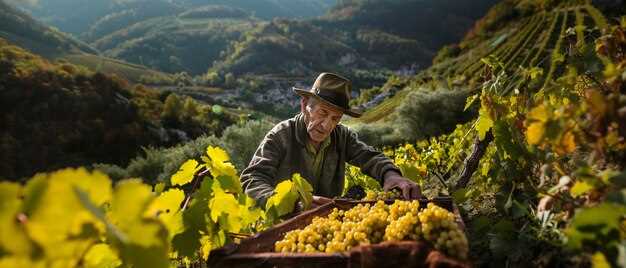
Start your Valtellina visit in Sondrio with a Nebbiolo tasting at a family winery in Grumello, then follow hillside trails toward Sassella to see Chiavennasca vines framed by Alpine peaks.
The route is centered on Nebbiolo and the region’s culture and traditions, weaving terroir with centuries of vine care. The crown jewel is Sforzato di Valtellina DOCG, a dried-grape wine that delivers depth for bottle aging and thoughtful pairings with rustic dishes and aged cheeses.
Hikes run along ancient terraces, where stone stairways meet dramatic views of the valley below. Plan visits in late spring or early autumn when the season brings open tastings, guided walks, and opportunities to meet the people who cultivate these vines.
Two-day itinerary snapshot:
- Day 1: Sondrio base; Nebbiolo tastings at a Grumello winery, then a moderate loop through Sassella terraces, returning for a Sforzato DOCG tasting and sunset views over the Adda river.
- Day 2: Tirano to Morbegno; guided walk among Valgella terraces, lunch with local specialties, finish with a sparkling flight and a closing bottle before returning to Sondrio.
Must-visit stops abound in Teglio and the Morbegno area, where they pour Chiavennasca wines and offer guided tastings that reveal how altitude and slope shape aroma and texture.
Experiences along the route cater to the epicurean traveler who seeks scenery and taste in equal measure. Pair Nebbiolo with hillside antipasti, or compare with a frascati or a frasicato-style white to understand freshness across regions. For broader context, explore lugana around Lake Garda and the friuli-venezia blends, which illustrate how soil and climate shift the profile. The trip also lends itself to connections from bari or olbia, with simple links through Milan that make a longer Italian itinerary easy to plan.
The area sits at a higher altitude, and its terrace-driven landscape tells a story of perseverance and craft. Wineries along the route welcome visitors with intimate tastings, often paired with local cured meats and cheeses, turning a simple bottle into a memorable experience.
Seasonal visiting tips: harvest periods, tastings, and crowds
Book tastings at least 4–6 weeks ahead and align your itinerary with the harvest window, which runs from late September through October in most regions; in bari and palermo-area estates, harvest can start earlier or extend later depending on vintage and local microclimate.
- Harvest timing by region: Campanian sites with volcanic soils show Taurasi and Aglianico ripening from September into October, delivering age-worthy bottles that reward patience. In the north, Barbera from Piemonte and nearby Lombardy is grown for September picks, while Nebbiolo ripens a bit later, often pushing into October. In central Italy, Sangiovese-driven wines from Tuscany follow a September–October pattern, with some estates offering early-release tastings for the 2024 vintage. In Bari and the surrounding Apulia area, Primitivo and Negroamaro often begin picking in August in hot vintages and peak in September–October; in Palermo, Nero d’Avola and Frappato can start as early as September, with broader tastings through October. Depending on altitude and vineyard climate, a single week can feel very different from another.
- Tastings and formats: Seek producer-led tastings that explain terroir and traditions, with flights complemented by small bites that show how regional culture influences food pairings. Look for expressive wines such as Barbera and Aglianico, and ask about aging potential to compare early releases with age-worthy bottles. For a deeper dive, choose tastings described as guided by a respected producer who can share provenance and cultivation methods that shaped the wine.
- Crowds and timing: Weekdays are calmer; reserve popular estates well in advance and aim for mid-morning or late afternoon slots to avoid peak crowds. In peak harvest weeks, consider visiting smaller family-run estates near bari or palermo where tourist paths are less congested and conversations with the winemaker feel more personal. If you travel during weekends, plan a tight schedule and allow buffer time between tastings to enjoy the setting and conversation without pressure.
- Practical planning: Choose experiences that are clearly linked to a single producer or a small group of family estates, which often offer richer insight into traditions and the local culture. Bring water, sun protection, and comfortable footwear for vineyard visits, and inquire about shipping options or local delivery if you discover age-worthy bottles you want to take home. For those who seek a concise plan, cross-reference harvest dates with regional producer calendars in palermo and bari to build a balanced, quality-focused itinerary.
Plan a 2–3 day Lombardy wine itinerary from Milan
Start Day 1 in Franciacorta with a morning tour at Ca’ del Bosco in Erbusco and a second tasting at Barone Pizzini closer to Brescia. Choose a flight lineup that highlights Satèn for finesse and Brut for structure, all made with the Metodo Classico approach. Some producers practice biodynamic farming, so ask for a biodynamic vineyard visit if available. For lunch, pull into a trattoria near Iseo for polenta with lake fish, plus a bologna board of cured meats to illustrate local snacking culture. In the afternoon, sample an array of styles and keep an eye out for grechetto in small, experimental blends that some Lombardy producers test to add brightness and nuance. This day offers an approachable entry into the region’s dynamic sparkling scene.
Day 2 moves you north to Valtellina, where steep, terraced vines produce Nebbiolo-based wines that carry notable acidity and complex aromas. The predominant grape here is Chiavennasca, used in Rosso di Valtellina and Valtellina Superiore, while Sforzato di Valtellina delivers a dark, concentrated dessert wine profile. Plan two solid stops: Nino Negri and Ar.Pe.Pe, both respected for terroir-driven Chiavennasca across hillside plots. Expect red-berry aromas, earthy notes, and a finish that veers toward tar and licorice in some Riservas. Pair with local cheeses and risotto ai funghi to appreciate balance and acidity in a true Lombard pairing.
Day 3 (optional) returns toward the southern edge of Lombardy with Oltrepò Pavese, where Pinot Nero is predominant and Croatina adds texture. In Canneto Pavese or Broni you’ll find two to three small, family-run cellars with welcoming tastings and focused tours. Wines run from bright Pinot Nero to more structured red blends, delivering a dynamic range that complements light antipasti to fuller pasta dishes. If you prefer a white finale, consider a Lugana stop near Desenzano or Sirmione for Turbiana, though that detour pushes the trip beyond Lombardy’s core. Between tastings, savor a lakeside pause that feels like an island of calm in the countryside. For broader Italy context, you can later explore Frascati closer to Rome, Sulcis in Sardinia, or Sicilian styles to compare profiles and complexity.
Where you stay matters: base in Brescia proper for Day 1, Sondrio for Day 2, and Canneto Pavese or Broni for Day 3 to minimize drives. This plan merges a tight arc of Franciacorta, Valtellina, and Oltrepò Pavese into a manageable loop with an emphasis on clarity of style, aroma, and acidity. The itinerary favors efficient routing, respected producers, and a combination of vineyard visits, tastings, and culinary pairings that reveal Lombardy’s breadth without rush. Thanks.
| Day | Route / Focus | Primary wines | Wineries / Stops | Travel time (approx) | הערות |
|---|---|---|---|---|---|
| Day 1 | Milan → Franciacorta (Erbusco / Iseo) | Franciacorta (Metodo Classico) | Ca’ del Bosco; Barone Pizzini | 1h30–2h | Satèn & Brut flights; biodynamic options; lunch near Iseo; bologna board |
| Day 2 | Franciacorta → Valtellina (Sondrio area) | Nebbiolo (Chiavennasca); Sforzato | Nino Negri; Ar.Pe.Pe | 2h30–3h | Dark Sforzato notes; aromatic red fruit; pair with local cheeses |
| Day 3 (optional) | Valtellina → Oltrepò Pavese (Canneto Pavese / Broni) | Pinot Nero (predominant); Croatina | Local family cellars in Canneto Pavese / Broni | 2h–3h | בלנדים אדומים דינמיים; הפסקות שקטות כמו באי; הצעת לוגאנה כסיום לבן |