


 עִבְרִית
  English (UK)
  Русский
  বাংলা
বাংলা  العربية
  日本語
日本語  한국어
한국어  Magyar
  Norsk nynorsk
  Türkçe
  Español
  Čeština
  Svenska
  Português
  Ελληνικά
  Suomi
Suomi  Nederlands
  Română
  Italiano
  Français
  Polski
  Українська
  Deutsch
  简体中文
简体中文  Slovenčina
  Српски језик
  اردو
اردو  Azərbaycan dili
  O‘zbekcha
  አማርኛ
አማርኛ 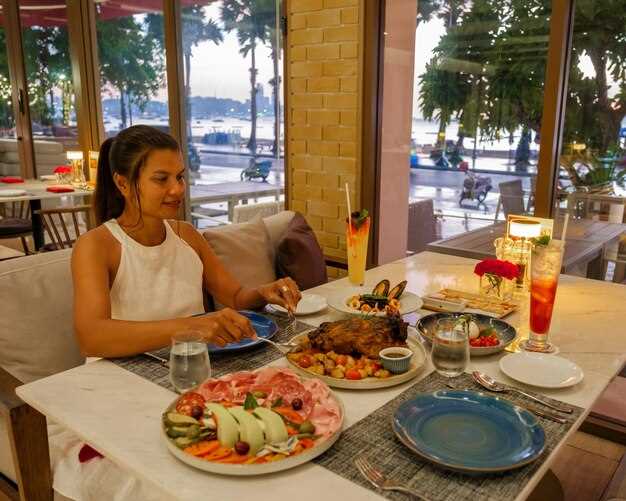 10 מנות ברזילאיות שהתאהבנו בהן בברזיל – מדריך טיולים טעים">

נתחיל עם פייז'ואדה, תבשיל בשר בבישול איטי, מוגש ביד עם אורז ופלחים תפוז, ומנה עטופה בעלה בננה לחוויה פשוטה וישירה. המנה הזו מכתיבה את הקצב לחקירת טעמים ברזילאים, ומעריצים יגידו לכם שהיא הכי טעימה בקאסה יומיומית בבעלות פרטית ולא במקום תיירותי.
מעבר לפייז'ואדה, פאו דה קייז'ו זוהר כחטיף גבינתי פשוט שמטייל ברחבי המדינה, מעגלות רחוב ועד לבתי קפה בוטיק. מהגרים סייעו להפיץ את הטכניקות שלו, ובעלי עסקים מקומיים שומרים על המרקם קליל ואוורירי, ומאפשרים לבצק הטפיוקה לתפוח בדיוק כמו שצריך. אולי הביסים האלה מסבירים מדוע התאהבנו במטבח הזה וחוזרים לקחת עוד בכל ביקור.
בעיירות חוף, אקארה מציע קציצת שעועית מטוגנת ועזת טעם המוגשת עם ואטאפה ורוטב פלפל. התוספת הזו הופכת לחטיף חכם שנשאר חם בזמן שאתם משוטטים, ותשימו לב איך המקומיים מעבירים את הכדור ממוכר לבשלן בידיים מיומנות.
מוקקה, בישול איטי של דגים או פירות ים עם שמן דנדה, חלב קוקוס וליים, מפיץ ניחוח עדין של חוף. ייתכן שהמנה במיטבה כשאוכלים אותה יחד בשעת שקיעה, עם אורז ופרופה בצד ומקהלה של קולות ממשפחות שהתאספו סביב סיר אחד.
בדוכן חבוי, שותף התוכנית שומרת על תפריט רענן כשעולים חדשים מצטרפים לצוות; הבעלים, שף מקומי, בודק חטיפים בהשראת ארנבות שהמעריצים משבחים אותם על הפריכות השובבה והארומה שלהם.
מעגלות רחוב ועד ביסטרו קטנים, המנות האלה מציעות רגעי טעם קונקרטיים שאפשר לרדוף אחריהם בביטחון ברחבי ברזיל. תשימו לב לאיזון בין שורשים פשוטים לטוויסטים מודרניים, ותמשיכו לרדוף אחרי ביסים חדשים הרבה אחרי שהצלחת שלכם ריקה, במיוחד כשטיפ ממקומי מפנה אתכם לדוכן נסתר.
קרנה דה סול והמאכלים האהובים של ברזיל
דעו זאת: "קרנה דה סול" משמשת כמרכז השולחן בצפון-מזרח ברזיל. בשלו אותה בפשטות, ואז שלבו עם צ'יפס מנדיוקה, אורז לבן ורוטב פלפל-בצל בהיר כדי לספק את רוב הקהל.
להכנה: יש להשרות בשר בקר מיובש במלח במשך 6–12 שעות, לשטוף ואז לייבש. לפרוס לרצועות דקות, לקצוץ בצל ופלפלים, ולטגן עם שום עד שהקצוות משחימים. הבשר מפריש נוזלים הנושאים ניחוחות מעושנים, מה שהופך כל ביס לעשיר.
הגישו בקערת תנור מלבנית לחלוקה נוחה; מעל הניחו גבינת קוואליו מומסת או גבינה מגוררת. הוסיפו פטרוזיליה קצוצה לצבע ורמז של רעננות שמאזנת את המליחות.
ולתוספות, הציעו קמח מנדיוקה (פַארוֹפָה), אורז לבן, שעועית שחורה, ובננות מטוגנות או צ'יפס קסאווה. בקבוק רוטב חריף פשוט בצד שומר על השליטה בחריפות בידי הסועדים.
התמונות למטה מציגות גרסאות מצולחתות. טבחים מקומיים בצפון-מזרח מתאימים את רמות המלח לבשר ומוסיפים נגיעה של פפריקה או אבקת צ'ילי; קוראים אמריקאים מצפים לעתים קרובות לגרסה דומיננטית יותר של בצל, אך הגרעין נשאר זהה.
סיימו עם אסאי, בין אם כקערה קפואה או כוס קטנה, כדי לנקות את החך אחרי הבשר המלוח. לחוויה ברזילאית אותנטית יותר, נסו כדורי בצק פאו דה קוויז'ו כמנה ראשונה, ביס גבינתי שמשתלב נהדר עם הבשר המיובש בשמש.
מעבר לבשר מיובש בשמש, הקוראים יכולים לחקור מנות ברזילאיות אהובות אחרות כמו פייז'ואדה, מוקקה ולחם גבינה פשוט, כדי להשלים את הארוחה ולשקף את המדינות הרבות המשפיעות על המטבח הברזילאי.
מהי קַרְנֶה דֶה סוֹל: הגדרה, שיטת שימור ורמזי מרקם
קרנה דה סול הוא בשר בקר משומר במלח מצפון-מזרח ברזיל, שמטגנים אותו עד לקבלת מעטה חיצוני פריך, בעוד שהחלק הפנימי נשאר עסיסי. השם מעיד על ייבוש בשמש, אך הנוהג המודרני משלב שימור במלח, ייבוש באוויר והתפלה כדי לאזן בין שימור למרקם מוכן לבישול. התוצאה היא בסיס ייחודי למנות הכוללות עגבניות ובצל, עם שורשים בטכניקות בהשראת פורטוגזית שעדיין קיימות במטבחים דרומיים ובמינאס.
הגדרה: בדרך כלל נתח סינטה או שייטל, "קארנה דה סול" מתובל במלח גס ולעיתים גם במעט פלפל. הבשר מושרה במשך ימים כדי לפתח מעטה חיצוני מוצק, ואז מיובש בשמש או במקום חמים ומאוורר עד שהחלק החיצוני יבש אך החלק הפנימי נשאר גמיש. שיטה זו הופכת את הבשר למגוון לטיגון, צלייה על האש או שילוב בסופגניות או תבשילים.
שיטת שימור:
- המלחה יבשה: יש לשפשף במלח גס (ותבלינים אופציונליים), ואז להניח למנוחה של 24–48 שעות.
- ייבוש באוויר: יש לפרוש למשך 3–5 ימים באזור יבש ומאוורר היטב, תוך הימנעות מחשיפה ישירה לשמש חזקה כדי למנוע ייבוש יתר.
- התפלה: להשרות במים מתוקים או לשטוף כדי להסיר עודפי מלח; להחליף מים כל כמה שעות או להשרות למשך הלילה.
- הכנה לבישול: לפרוס לפרוסות בעובי 1–2 ס"מ או לחתוך לקוביות; לייבש את הנתחים לפני הטיגון או ההגשה.
רמזי מרקם:
- גימור חיצוני: זהוב עמוק, קצוות פריכים בטיגון; המשטח נסדק תחת חום.
- מצב פנימי: בשר לח ועשיר בסיבים שנשאר רך גם לאחר טיגון.
- איזון מליחות: לאחר התפלה, הבשר נושא טעם בהיר ומלוח מבלי להיות מלוח מדי.
- אפשרויות גימור: חתיכות מטוגנות בשמן עמוק דומות לבייקון בטעם ובארומה; יש טבחים שמקפלים קרנה דה סול לתוך לביבות עם בצל ועשבי תיבול לנשיכה פריכה ונישאת ביד.
הבלוגר paulovilela מציין שבשר "קרנה דה סול" זורח בצלחות עם עגבניות וקַלַבְּרֶזָה, ומסעדה או בעלים מגישים אותו לעתים קרובות עם ביצי עין או כחלק מתפריט מבוסס לביבות. בפועל, טבחים ביתיים יכולים לחלץ את הבשר מתהליך ייבוש ארוך על ידי שטיפה מהירה, מחבת חמה וטיגון קצר באש עד להיווצרות הקרום. השתמשו בו כדי ליצור פרופיל ייחודי בהשפעה פורטוגזית במנה בהשראת מינאס או הדרום, או כבסיס חזק לארוחת בוקר מטוגנת שמרגישה כמו טיול דרכים ברחבי ברזיל.
איפה למצוא קַרְנֶה דֶה סוֹל אותנטי בברזיל: אזורים וש рынки
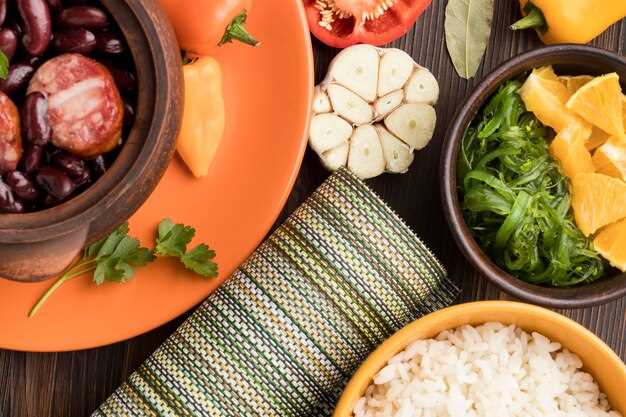
התחילו בפורטלזה, סיארה, בשוק Beira-Mar וב-Mercado Central כדי למצוא carne de sol טרי, לעתים קרובות מטוגן לקצוות פריכים. בקשו נתחים מסורתיים, חפשו ניחוח שום חזק, ונסו אותו עם farinha ואורז לבן; תמצאו גם דוכנים סמוכים המציעים מיץ קנה סוכר ללוות את הארוחה. גישה עובדתית זו מצביעה על שלושה מוקדים אזוריים מרכזיים להתחיל בהם את החיפוש.
ברסיפה, מרקדו דה סאו ז'וזה שבמרכז ההיסטורי הוא מוקד מהימן שבו בשר מיובש מופיע במנות ובמרקים. ההיצע משקף השפעות ילידיות ואפריקאיות, והמוכרים לרוב מצמידים את הבשר לשעועית ולפריניה. נפוץ לראות אותם לצד חטיפים ונקניקיות אזוריות אחרות, כולל קלברזה, לביס דשן יותר שעדיין מכבד את הפרופיל המסורתי של המנה.
המרקדו סנטרל (Mercado Central) של ז'ואאו פסואה מציע מנות נגישות של קארנה דה סול (carne de sol), המוגשות לרוב עם קמח מנדיוקה או אורז לבן. חפשו הכנות מודגשות שום וחטיפים פשוטים המאפשרים לבשר לבלוט. אם אתם רוצים מגוון, נסו צלחת טעימות קטנה; האפשרויות של אזור זה ממחישות את סוג הטיפול שהמקומיים מעניקים לבשר בקר משומר ואת החוויות המגוונות העומדות לרשות מבקרים המעוניינים לחקור מנות אזוריות.
השוק סידאד אלטה (Cidade Alta) בנטאל והדוכנים הסמוכים מציעים עצירה טובה נוספת. צפו לטעם חזק, בדרך כלל בשילוב עם קסאווה או אורז לבן, ותבחינו בטעמי מלח המאוזנים על ידי תבלינים כפריים. מרקאדו סנטרל (Mercado Central) בטרזינה מספק גם הוא מנות מוצקות, עם פרופיל טעמים פשוט ויחסית מלוח שמתאים למסעות ארוכים או לארוחת צהריים מהירה לאחר טיול בעיר. שווקים אלה מציגים דרך מעשית לטעום ניואנסים אזוריים תוך שמירה על שיקולי בריאות.
| אזור | שוּק/מָקוֹם | City | מה לצפות | טיפים |
|---|---|---|---|---|
| צפון מזרח - סיארה | שוק Beira-Mar; מרקדו סנטרל | פורטלזה | חתיכות טריות, קצוות פריכים לאחר טיגון; ארומה בולטת של שום; לרוב מוגש עם פאריניה ואורז לבן | בקש קארנה דה סול מסורתית; טעם תחילה מנה קטנה; שלב עם מיץ קנה סוכר לריענון |
| צפון מזרח – פרנמבוקו | שוק סאו ז'וזה | רסיפה | אווירת שוק היסטורי; מנות ותבשילים הממזגים השפעות; נהוג לשלב עם שעועית ופארינה | לבקש “carne de sol tradicional”; לנסות עם קלברסה או נקניקיות אזוריות אחרות לטעימה מלאה יותר |
| צפון מזרח – פאראיבה | מרקדו סנטרל | ז'ואאו פסואה | מנות במחיר סביר; עם פאריניה או אורז; נגיעות שום נוכחות לעתים קרובות | דגמו הכנות שונות; חפשו מנות עם קצוות פריכים |
| Northeast – Rio Grande do Norte | Cidade Alta Market | Natal | Central-market vibe; strong flavor; commonly served with cassava or white rice | Ask for “carne de sol” on display; seek prepared plates to compare styles |
| Northeast – Piauí | מרקדו סנטרל | Teresina | Solid portions; salt-forward profile; served with rice and beans | Great for longer tastings; pair with beijinho or other desserts if offered |
Classic accompaniments that elevate Carne de Sol: sides, sauces, and beverages
Fire-sear Carne de Sol, then pair with farofa de manteiga, white rice, and sautéed couve for a balanced bite that lets the meat’s smoke shine. A vinagrete de laranja adds orange brightness and keeps the sauce liquid and lively on the plate. Home cooks will appreciate the straightforward steps, and the contrast between crisp edges and tender center creates a ball of texture in every forkful. By hand, you can assemble the plate in minutes, making this a reliable go-to for nightly meals.
Variations include farofa de manteiga with bacon, cassava flour toasted with garlic, and croquettes de mandioca for a creamy-inside, crispy-outside contrast. Add an olive oil drizzle to round out flavors, and include esfiha bites for a Bahian cross-pairing that’s popular on southeastern tours across the coast. The mix becomes a mixture of regional styles, believed by many cooks to offer a world-friendly pairing that travels well across america. This approach also plays with baiana toppings to honor Bahia’s traditions and to reflect its tree-lined markets of spice and citrus. This offer blends Bahian flavors with world-inspired textures and wonders of crunch and brightness.
Sauces and beverages: Keep sauces bright and versatile by using a vinagrete with orange zest and a light olive oil finish; that liquid brightness lifts the meat’s salt. Depending on guests’ heat tolerance, offer a milder pimenta sauce and a hotter one with malagueta. For beverages, serve agua de coco and a chilled orange juice, plus a simple agua mineral. Only a handful of ingredients can shift the plate from everyday to festival, and brigadeiro as a final sweet ties the meal together; this form becomes the ultimate finish for many tables. This approach can form the backbone of a Brazilian tasting, whether you’re at home, on a food tour, or part of a southeastern coast itinerary.
Back-of-plate tips: arrange the components so crunch leads to tenderness, and finish with a citrus note. A simple garnish–a leaf from a tree–adds color and a homey touch that guests remember, and a small hand-crafted detail signals care.
Practical tips for ordering Carne de Sol in Portuguese and reading menus
youll maximize flavor by ordering Carne de Sol with cassava and queijo coalho, and by using a clear Portuguese phrase: Eu gostaria de Carne de Sol, por favor.
In the diverse world of Brazilian dining, local kitchens show regional twists that grew from root traditions and a warm, fire-kissed spirit. Start with a direct request and then read the menu line by line to map the regional twists you encounter along the way.
- Order confidently and specify accompaniments. Say in Portuguese: “Eu gostaria de Carne de Sol, por favor, com manteiga de garrafa e farofa.” Add a side like arroz, feijão, or cassava (uked as mandioca) to balance the meat’s salt and smoke. If you want a lighter option, request “sem pimenta” or “ao ponto” for doneness.
- Ask about how the meat is prepared. If a dish is labeled “Carne de Sol,” clarify the texture by asking, “a que ponto chega a carne?” or simply “ao ponto, por favor.” This helps you avoid a very dry piece and aligns with the local preference for a tender bite.
- Clarify regional pairings. In central Brazil, you’ll often see acompanhamentos like feijão, arroz, and farofa; in coastal or northeasterly zones, cassava and queijo coalho dominate. If a dish lists “with coconut milk” or “with coco,” consider it a fusion cue that adds a creamy note to the spice.
- Confirm portion size and extras. Some places offer a “porção” for two, others use a standard plate. Ask, “Qual é o tamanho da porção?” and verify if breadcrumbs or bread rolls are included as a crusty, dough-shaped topping on the dish.
- Note hot sauces and spice levels. If the menu mentions “pimenta” or “molho quente,” specify your tolerance: “pouco picante” for a gentle kick, or “bem picante” if you crave heat. Brazilian cooks often balance fire with creamy sides like queijo coalho.
Reading menus efficiently helps you pick dishes that fit your taste profile. Look for these cues:
- Direct mentions: Carne de Sol, carne seca, or prato principal that features meat as the hero.
- Acompanhar hints: Farofa, queijos (coalho), arroz, feijão, mandioca, and manteiga de garrafa signal classic pairings you’ll enjoy alongside the meat.
- Regional notes: Palabras como central, nordeste, or bahiano styles point to specific regional twists you’ll find locally.
- Textural cues: descriptors like “crumbs,” “breadcrumbs,” or “dough-shaped” suggest added texture, often in fusion dishes or modern takes.
- Ingredient cues: Look for queijo coalho, coco, which, mandioca, and molho. These terms reveal what flavors you’ll encounter alongside the meat.
Sample phrases you can use at the table, with quick English cues:
- Portuguese: “Eu gostaria de Carne de Sol, por favor, com manteiga de garrafa e farofa.” – English: I’d like Carne de Sol, please, with clarified butter and farofa.
- Portuguese: “Pode vir ao ponto?” – English: Can it come at medium doneness?
- Portuguese: “Qual é a porção desta carne?” – English: What is the size of this portion?
- Portuguese: “Sem pimenta, por favor.” – English: No chili, please.
Beyond basic orders, use this quick guide to read menu sections quickly. If a dish lists “Carne de Sol” but adds “which is served with coconut milk and breadcrumbs,” you’re looking at a hybrid that leans toward comfort and texture, a small nod to fusion trends in the local scene. When a dish mentions “dough-shaped bread” on the side, you’ll likely get a warm, chewy contrast that rounds out the meat’s saltiness.
Tip from the author: carry a tiny note with a few phrases in Portuguese to smooth the interaction. This local practice helps you navigate tasting menus in diverse regional kitchens. You’ll notice how Brazilians respond to well-phrased questions about the dish’s root flavors and preparation, and you’ll feel more at home in the back-and-forth that makes every meal a memorable experience. If you want a favorite pairing, ask for a small tasting: Carne de Sol with cassava, a dash of coco, and a crust of breadcrumbs on the side for texture.
Choosing quality Carne de Sol when shopping or dining abroad
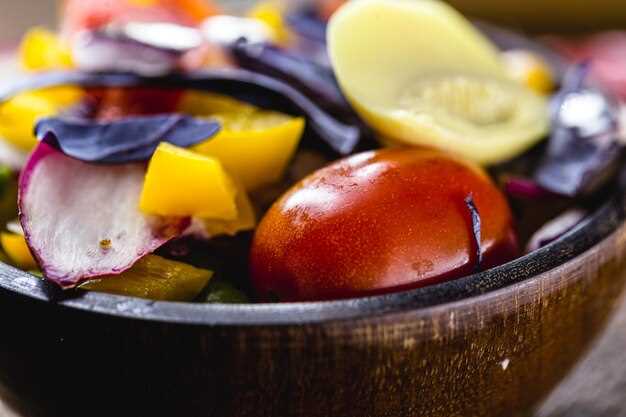
Buy carne de sol from reputable vendors who clearly label curing details and origin; today, compare two or three options at markets or restaurants to pick the most transparent piece.
Check color and texture: lean portions should show a pale pink to light red tone with a white fat rim, and the surface should feel firm, not slimy. Gently press for a bit of give; freshly cut pieces should snap rather than smear. If you see dull gray edges or an oily sheen, skip it.
Read the label for curing method and salt level; fact-based notes help you identify carne de sol made by traditional salt and sun-drying. For goiás-origin items, you’ll often find a more balanced salt profile and a slightly drier finish; avoid heavily processed options with chemical flavorings. If you see lapine or other meats labeled together, treat them as separate choices and select carne de sol only.
Storage and handling: refrigerate promptly; use within weeks of purchase. If you need longer storage, freeze after patting dry and wrapping tightly. Rehydrate before cooking by soaking 1–2 hours, then rinse and pat dry; this step prevents excess salt from overwhelming the dish.
Cooking ideas: pan-fry chunks with onions and peppers, then fold into a casserole with root vegetables or cassava, which Brazilians often serve as a side. Carne de sol also works in churrasco-style skewers or as a hearty addition to a local bowl. Pair with fruits such as mango or pineapple for contrast, or serve alongside pamonhas for a traditional Brazilian touch; you can even experiment with loaf-shaped slices or fritters to stretch leftovers. This approach reflects how vendors and Brazilians together create vibrant meals that honor regional flavors and Portuguese culinary roots.