


 עִבְרִית
  English (UK)
  Русский
  বাংলা
বাংলা  العربية
  日本語
日本語  한국어
한국어  Magyar
  Norsk nynorsk
  Türkçe
  Español
  Čeština
  Svenska
  Português
  Ελληνικά
  Suomi
Suomi  Nederlands
  Română
  Italiano
  Français
  Polski
  Українська
  Deutsch
  简体中文
简体中文  Slovenčina
  Српски језик
  اردو
اردو  Azərbaycan dili
  O‘zbekcha
  አማርኛ
አማርኛ 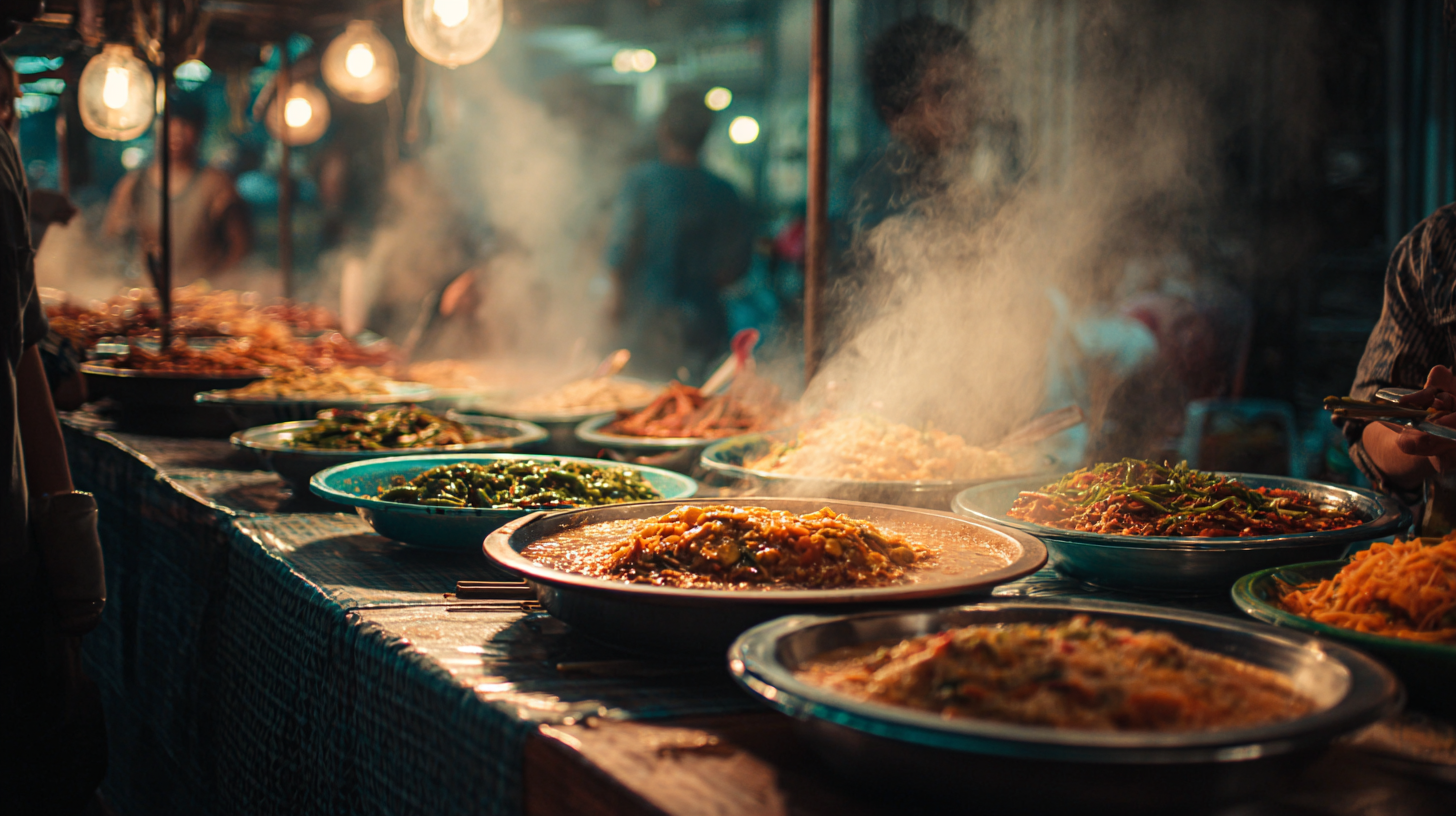 מסעות קולינריים: טעמים מקומיים שאסור לפספס ברחבי העולם">

Food is more than nourishment—it’s identity, culture, and memory served on a plate. Traveling for culinary experiences has become one of the most authentic ways to connect with new destinations. A bite of street food or a meal in a family-run restaurant can reveal more about a culture than any museum. Embarking on culinary journeys across the globe allows travelers to experience history, tradition, and creativity through taste.
עליית תיירות הקולינריה
From Curiosity to Global Movement
Culinary tourism began as a niche interest but has evolved into a mainstream travel trend. According to the World Food Travel Association (2025), 81% of travelers now choose destinations based on food experiences. This shift reflects a growing appreciation for authenticity and local heritage.
The Psychology of Food Travel
Eating local isn’t just about flavor—it’s about belonging. Sharing a table with locals creates emotional connections that transcend language. Food tells stories about migration, trade, resilience, and adaptation. Every dish carries history.
ההשפעה הכלכלית
Food tourism generates billions in global revenue while supporting small-scale farmers, chefs, and artisans. It strengthens local economies and encourages sustainable agricultural practices.
Asia: A Symphony of Flavors
Thailand – The Art of Balance
Thai cuisine harmonizes sweet, sour, salty, and spicy in perfect proportion. Street vendors in Bangkok serve Pad Thai and Tom Yum Goong that rival fine dining restaurants. The key lies in freshness and texture—a dance of flavor perfected over centuries.
Japan – Tradition Meets Precision
In Japan, food borders on philosophy. Sushi masters spend years mastering knife work and rice temperature. Beyond sushi, ramen stalls and izakayas offer insight into Japan’s humble yet refined culinary identity.
India – Spices and Spirituality
From Goa’s seafood curries to Delhi’s chaats, India’s culinary map reflects its diversity. Each region tells a different story of religion, climate, and trade influence. Indian cuisine proves that food can be both ritual and celebration.
Europe: Culinary Heritage and Innovation
Italy – Simplicity as Perfection
Italian cuisine revolves around quality ingredients and time-honored methods. Naples’ pizza, Bologna’s pasta, and Tuscany’s olive oils are UNESCO-worthy cultural treasures. Cooking here is storytelling passed through generations.
France – The Birthplace of Haute Cuisine
From Parisian patisseries to Lyon’s bouchons, French cuisine sets the global standard for refinement. Even the humblest baguette is treated with reverence. France’s culinary philosophy is simple: elevate the ordinary.
Spain – Tapas and Togetherness
Spain’s tapas culture reflects community. Sharing small plates encourages conversation and unity. Dishes like paella and gazpacho exemplify Mediterranean freshness and conviviality.
The Americas: Diversity and Reinvention
Mexico – Ancient Roots, Modern Brilliance
Mexican food blends indigenous techniques with Spanish influence. Mole, tacos, and tamales represent a cultural evolution thousands of years old. UNESCO declared Mexican cuisine an Intangible Cultural Heritage for good reason.
Peru – The New Gastronomic Capital
Lima has risen as a global culinary powerhouse. Chefs fuse Andean ingredients like quinoa and corn with Japanese precision, creating Nikkei cuisine—a symbol of cultural fusion and innovation.
USA – A Melting Pot on a Plate
From New Orleans gumbo to Los Angeles food trucks, American cuisine is a mosaic of immigrant traditions. It’s less about recipes and more about reinvention.
Africa and the Middle East: Ancient Tastes, Modern Revival
Morocco – Spice and Soul
Moroccan cuisine merges Arabic, Berber, and Mediterranean influences. Tagines and couscous dishes simmer with flavor and hospitality. The scent of saffron and mint tea defines its culinary identity.
Lebanon – The Balance of Freshness
Lebanese mezze—hummus, tabbouleh, falafel—showcase simplicity and health. Meals here are communal acts of joy and gratitude.
South Africa – Braai and Beyond
South Africa’s culinary scene fuses indigenous traditions with colonial influences. A “braai” (barbecue) is both feast and fellowship, symbolizing unity after diversity.
Sustainable Culinary Travel
Supporting Local Producers
Culinary travelers increasingly prioritize ethical dining—choosing farm-to-table restaurants, local farmers’ markets, and zero-waste eateries.
Respecting Cultural Authenticity
Learning basic etiquette and food traditions honors local culture. Never alter traditional recipes for convenience—it’s an act of cultural respect.
Future of Food Tourism
Expect more plant-based exploration, AI-driven culinary tours, and immersive farm stays that connect travelers directly to food sources.
מסקנה
Culinary journeys offer more than great meals—they offer understanding. Through food, we learn empathy, creativity, and respect for diversity. In every bite, there’s a story worth traveling for.