


 עִבְרִית
  English (UK)
  Русский
  বাংলা
বাংলা  العربية
  日本語
日本語  한국어
한국어  Magyar
  Norsk nynorsk
  Türkçe
  Español
  Čeština
  Svenska
  Português
  Ελληνικά
  Suomi
Suomi  Nederlands
  Română
  Italiano
  Français
  Polski
  Українська
  Deutsch
  简体中文
简体中文  Slovenčina
  Српски језик
  اردو
اردو  Azərbaycan dili
  O‘zbekcha
  አማርኛ
አማርኛ 
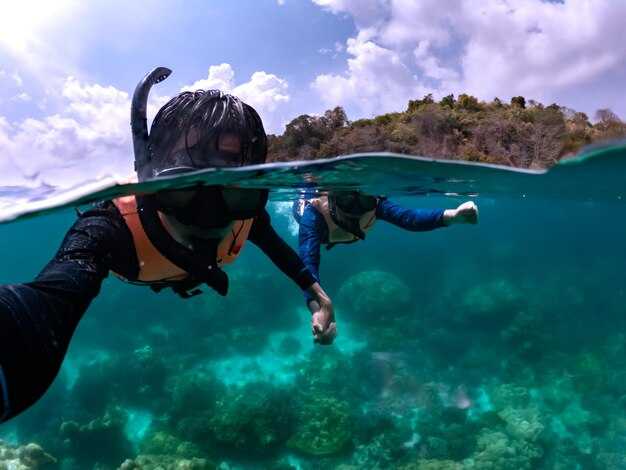
Start with a guided morning underwater session with a licensed operator to set expectations, check gear, and lock in safe routines for day one. This approach is about creating a solid base for the rest of your trip, helping you adjust to currents and buoyancy with confidence.
Water temperatures hover around 27–29°C year-round, with crystalline visibility often reaching 30–40 meters on good days. For this environment, a 3–5 mm wetsuit, a well-fitted BCD, regulator, and a compact surface marker buoy are ideal, ensuring you stay comfortable over long exposures.
In the diverse reefs of areas such as Ari Atoll, Baa Atoll, and Vaavu Atoll, you will explore vibrant coral gardens and encounter whale sharks and manta rays. For macro lovers, nudibranchs dot the crevices, and the crystalline clarity magnifies their colors. Early mornings minimize currents, boat traffic, and glare, giving you more consistent viewing moments.
Conservation matters here, with programs such as maaya offering awareness updates and citizen-science cards that help you contribute information about reef health and sightings. Carry a compact information sheet and respect protected areas to keep the ecosystem thriving.
To optimize your schedule, plan over five days to cover multiple areas, staying at least two atolls. This הצעה includes protected reserves and outer-channel sites where you can observe manta, whale sharks, and diverse schooling fish while maintaining precise buoyancy and holding your position away from fragile corals.
Season-by-Season Dive Conditions
Target the Northeast monsoon window (November–April) for maximum visibility, calm seas, and comfortable conditions. If you want thrilling drift through kandu and macro-rich channels, plan trips during the Southwest monsoon (May–October).
November–April – Northeast Monsoon
- Conditions: calm to light chop, clear surface, typical visibility 20–30 m, and water 27–29 C. Current levels are mild in lagoons and moderate near outer reef passes (kandu) with moving currents tied to tides.
- Living reefs and macro life: bommies and reef flats host a wealth of small critters, nudibranchs, shrimps, and crinoids. Youre likely to find clear macro details just beneath the surface, creating memorable close‑ups for macro lovers.
- Dive opportunities: shallower to mid depths (12–25 m) with plenty of calm, right conditions for beginners and intermediate divers seeking steady comfort and safety.
- wildlife: whale sightings and dolphin activity are more common among atolls during stable windows; stay alert along channels and reef edges.
- Notes: operators issue regular updates on currents and visibility to help you plan, and local research supports predictable seasonal patterns among popular sites.
May–October – Southwest Monsoon
- Conditions: stronger winds and bigger swells, surface chop 1–3 m, visibility typically 15–25 m, water 26–28 C. Currents can be moving through kandu passes, with variable levels that shift over the season.
- Drift and macro: you can enjoy thrilling drift dives along outer reefs and passes, with macro life abundant around rocky outcrops and bommies between moving currents. This is the realm where hard‑working reef creatures thrive just under the surface.
- Skill and depth: targets are deeper and longer, with recommended depths often 12–30 m; comfortable buoyancy and awareness of changing drift speeds are essential for a safe experience.
- sites: kandu channels offer powerful drift possibilities; choose guides who monitor current strength and tides to keep you over safe ground and right distance from the reef.
- updates and planning: seasonal research confirms shifts in plankton blooms and visibility peaks; use operator updates to time you’re at the best macro locations and to optimize comfort on long excursions.
Wildlife Hotspots: When to Expect Manta, Sharks, and Whale Sharks
Visit Hanifaru Bay in Baa Atoll from August to October for the most dependable concentrations of manta rays and whale sharks.
For manta encounters beyond Hanifaru, target the kandu channels around Ari Atoll and South Malé Atoll during May through October, when nutrient-rich waters feed plankton and create an ideal setup to observe these giants up close.
Whale sharks appear along the same monsoon window, but sightings outside Hanifaru Bay depend on local currents and plankton blooms; coordinate with a Maldivian eco-conscious operator to time your visit with their wildlife watching windows.
Sharks of various species patrol reef walls year-round; early mornings offer calmer waters and better visibility for brief encounters with reef sharks near kandu edges and drop-offs, while mantas frequent nearby cleaning stations.
Gear matters: bring a lightweight mask, fins, snorkel, sun protection, and a rash guard; sharpen your skills in buoyancy to maintain distance and protect corals.
Before you visit, check the latest site regulations at Hanifaru Bay and along the kandu routes; local rules limit numbers and require licensed guides to preserve the habitat.
Excellent experiences unfold when you balance time across sites, allowing adventurers to showcase the Maldives’ wildlife allure while respecting waves, currents, and waters; mind safety with yourself and your companions.
Remember: by visiting with eco-conscious operators and practicing responsible snorkeling, safeguarding Maldivian reefs and the communities that rely on them, you still enjoy encounters with manta, sharks, and whale sharks.
Visibility, Temperature, and What to Wear by Season
Wear a 3mm full-length wetsuit and 3-5mm booties for most trips, plus 2-3mm gloves if mornings are cool; this setup keeps you comfortable as you explore the Maldivian waters, which stay around 27-29°C year-round.
Visibility from Nov through Apr tends to be high: 25-40 meters is typical around reef walls, with smooth surfaces and steady light.
From May to Oct, expect visibility in the 15-30 meter range, and currents can strengthen near passes, so keep a steady trim and stay close to your guide.
Northeast season (Nov-Apr) calls for 3-5 mm full-length, booties 3-5 mm, gloves 2-3 mm; consider a lightweight hood if you feel chilly in early mornings.
Southwest season (May-Oct) leans toward cooler mornings and stronger currents; use 5 mm full-length or a 4/3 mm two-piece depending on your tolerance, plus 3-5 mm booties and 3-5 mm gloves; a hood is optional for sites with deeper channels.
Maldivian adventurers traveling with operators should pack reef-safe sunscreen, a bottle of water, and a towel; plan to rinse gear after use to extend its life.
Major Atoll Dive Windows: Best Times for Northern, Central, and Southern Atolls
Recommendation: For Northern Atolls, target December through April to enjoy calmer seas and clearer water; Central Atolls align best from February through April; Southern Atolls offer generous conditions November through April. Plan stays around these windows to minimize weather surprises, especially if you base in maaya locations or resorts that showcase reef life and ecological work.
Currents and visibility vary by atoll, shaping what you’ll see. From a traveler sentiment, northern sites deliver crisp water along outer walls during December through April, with good conditions for wall experiences. In central atolls, February through April provides a steady drift that helps cover multiple sites in a single trip, while southern atolls offer a broad window November through April with mild seas suitable for longer beach-to-reef excursions, with unique opportunities for macro life and photography. Condor-like currents in some channels create a dramatic backdrop for underwater moments that deeply engage enthusiasts.
To maximize value, travelers combine stays across all three regions. Resorts along the northern belt act as convenient bases, while local centers run ecological programs and activities that educate visitors about reef systems. This common approach helps justify a longer trip, letting enthusiasts see a broader range of locations, from shallow lagoons to deeper channels, while staying comfortable and avoiding fatigue.
Practical tips: check with resorts and scuba centers about local windows and current patterns, and choose operators that showcase ecological responsibility and safety. Forget rushing through three atoll groups in a single week; a thoughtful itinerary that allocates 3-4 days per region yields deeper experiences and wonder for the traveler, while creating lasting memories for your Maldives adventure.
Trip Planning Tips: Liveaboard vs Resort Diving During Peak Periods
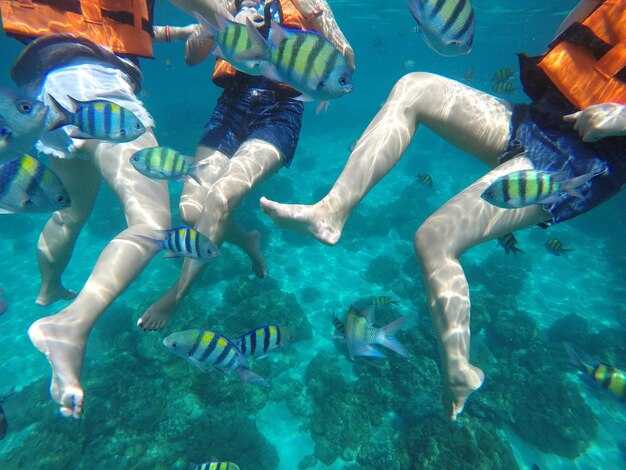
Choose a liveaboard during peak periods to maximize underwater days, maintain a lifelong rhythm, and develop your skills with a fully supported set of briefings and on-site feedback. The fixed itineraries keep you with your buddy or partners while the crew handles safety checks, transfers, surface logistics, and everything else.
Resort programs offer comfort and flexibility when peak crowds push sites to capacity. You can plan long stays, have shorter boat transfers, and rent gear on-site, which helps you stay relaxed if you forget your own kit. However, peak periods bring crowds that can slow currents and limit reef interactions, so book early and align with a quieter time window if possible.
If time is tight, consider a hybrid approach: a week on a liveaboard followed by a resort stay to balance underwater time and rest. Check the nation’s regulations and choose operators who follow strict standards; verify guides, safety practices, and the language in briefings. Rented gear should be checked before departure, and you should not forget to bring a back-up mask and spare parts.
Liveaboard: tips for peak periods
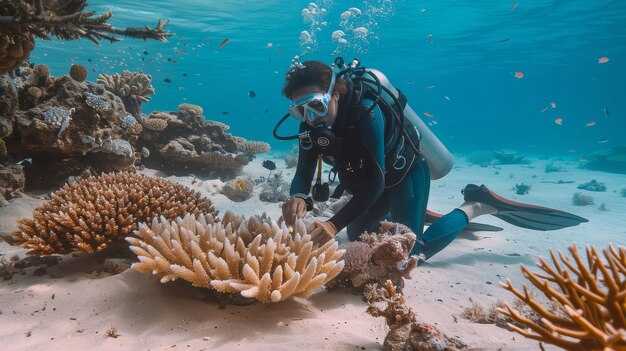
צעדים מעשיים אלה ישמרו אותך על המסלול:
בשיט צלילה, בחרו מפעיל מנוסה עם קפטן שיכול להסתגל לזרמים וחציות ארוכות. ודאו שהמסלול כולל אתרים של ספינות טרופות או שוניות שאתם רוצים, כולל הפסקות שטח ארוכות ושומר על קצב קבוע להרפתקנים ברמות שונות. בקשו תדריכים המכסים זרמים, כללי נימוס נפוצים בשונית וחוקי אתר, ובקשו מדריך ייעודי לתשומת לב נוספת אם אתם מעדיפים זאת תוך כדי חקירת חוויות ייחודיות של ספינות טרופות ושוניות. בדרך כלל נהנים מפגישות צלילה ארוכות מדי יום; הביאו סליל והשתמשו בציוד מושכר רק אם אינכם יכולים לשאת את הציוד שלכם, והבטיחו שלכם ולבאדי שלכם יש תוכניות בטיחות ותקשורת ברורות לפני ימי הציפה.
חוויות נופש: טיפים לתקופות שיא
תיאום עם מרכז הצלילה לקבלת משבצות מוקדמות כדי להקדים את ההמונים, והזמנת מדריך פרטי במידת הצורך כדי לשמור על נוחות ושליטה. לגבי זרמים, בחירת אתרים עם מים רגועים יותר ותכנון עצירות בטיחות ארוכות יותר. אם אתם מתכננים ביקורים בספינות טרופות, ודאו שהאתר פתוח ושלמדריך יש ידע מקומי ועזרי ניווט. השכרת ציוד לפי הצורך; אם שכחתם פריט כלשהו, בקשו מהמרכז אפשרות השכרה, אך בדקו את התקנות לגבי ציוד מושאל ושימוש בציוד בתוך אזורים מוגנים. זרמים חזקים יותר במקצת עלולים להתרחש אחר הצהריים, לכן התאימו את התוכנית שלכם בהתאם כדי להישאר בתוך רמות הנוחות שלכם.