


 עִבְרִית
  English (UK)
  Русский
  বাংলা
বাংলা  العربية
  日本語
日本語  한국어
한국어  Magyar
  Norsk nynorsk
  Türkçe
  Español
  Čeština
  Svenska
  Português
  Ελληνικά
  Suomi
Suomi  Nederlands
  Română
  Italiano
  Français
  Polski
  Українська
  Deutsch
  简体中文
简体中文  Slovenčina
  Српски језик
  اردو
اردو  Azərbaycan dili
  O‘zbekcha
  አማርኛ
አማርኛ 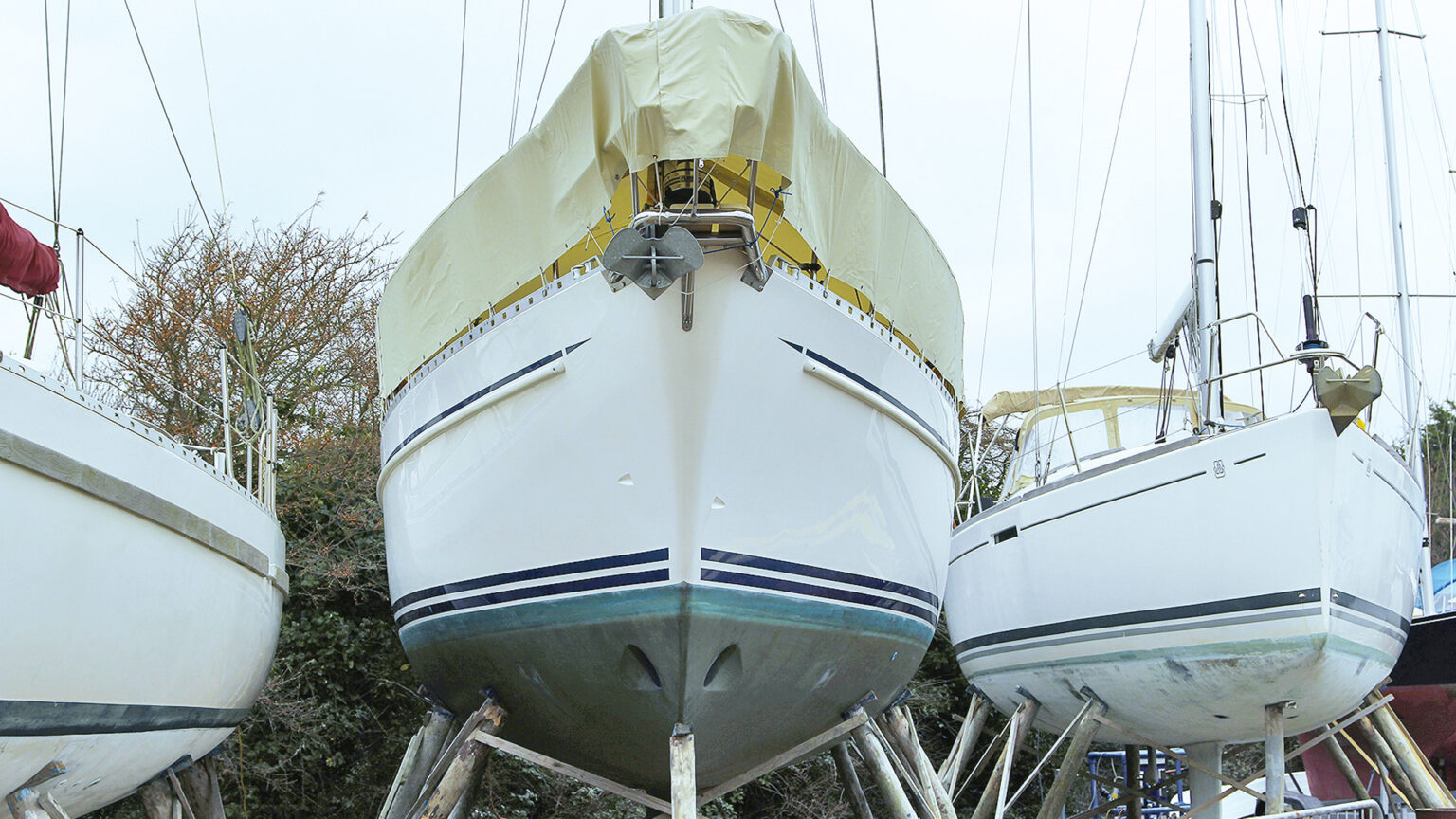 אסטרטגיות חורף מעשיות לשמירה על סירה יבשה: כיסויים, אוורור ומסירי לחות">

גישה ל- mains power determines the damp-busting approach: a typical compressor dehumidifier draws roughly 200–600W, whereas desiccant units often use more power but expel warmer air; off-grid moorings instead rely on low-draw fans (Paul Fay’s system ran at ~1A on 12V) and passive desiccants placed in lockers.
Where you winter matters: ashore versus afloat logistics
Boats stored on a hard standing with electricity supply can run heaters, fans and dehumidifiers on timers, giving long-term protection. In contrast, boats left on remote moorings without shore power need to prioritise sealing, passive moisture traps and ventilation strategies that consume minimal energy.
Key operational decisions:
- Bring ashore if prolonged access to mains is available and long refits or shrink-wrapping are planned.
- Keep afloat to benefit from thermal stability of seawater, but ensure bilges are dry and hull fittings sealed.
- Hybrid approach — use solar-charged batteries to power low-draw fans and smart monitors when shore power is intermittent.
Cover choices: balance weatherproofing with airflow
Covers protect against UV and frost, but trapping air can increase condensation. The three main cover types are tarpaulin, shrink-wrap and timber sheds; each has a place depending on frequency of use and budget.
Best practice: fit vents at bow and stern, use custom-made covers with integrated vents, and secure multiple attachment points to withstand stronger storms.
Practical checklist for covers
- Leave drainage channels clear and test bilge pumps before lay-up.
- Use breathable sections or vents amidships on larger vessels.
- Protect vulnerable fittings from chafe and add sacrificial covers for hawse pipes.
Ventilation, condensation and target humidity
תחזֵק relative humidity בין 30–50% where possible; above 60% accelerates corrosion and encourages mould. Condensation forms when warm, moist air cools on cold surfaces—so minimise temperature swings inside the cabin.
Effective low-energy ventilation
- Open vents and hatches under cover where possible, screened with fine mesh to block rain and pests.
- Fit low-draw DC fans to create a gentle through-flow; Paul Fay’s Positive Input Ventilation (PIV) adaptation uses three slow 12V fans consuming ~1A total.
- Remove cushions, open locker doors and position passive desiccants near engines and electrics.
Dehumidifiers: compressor vs desiccant (table)
| סוג | כוח | חוזקות | מגבלות |
|---|---|---|---|
| Compressor | ~200–600W | Energy efficient in moderate temperatures; effective water removal | Condenser plates can freeze in very cold weather; heavier |
| Desiccant | Higher draw; warmed exhaust | Expels warmer air (reduces freezing risk); lighter and effective in cold | Uses more power; zeolite sensitive to solvents during refits |
| Passive desiccants | None (replaceable) | Cheap, no power needed; good for lockers and remote moorings | Regular replacement required; limited capacity in high humidity |
Installing and operating dehumidifiers safely
Prefer marine-approved models and consult your insurer before leaving units running unattended. Use timed operation or humidity sensors to reduce fire risk and energy waste. Modern smart units can be integrated with remote monitoring to respond only when RH rises above set thresholds.
Insulation, heaters and simple winter mods
Small, thermostatically-controlled oil-filled heaters (60–100W types) can prevent frost without overheating. Improve insulation with closed-cell materials or hydrophobic 3M’s Thinsulate where possible, and consider temporary double-glazing with clear polythene or vinyl to reduce window condensation.
Quick winter adaptations
- Seal hawse pipes and drain openings while ensuring bilges remain serviceable.
- Re-route anchor chain to rest on pallets to remove undue bow strain.
- Use silver-backed curtains or winter blinds to stabilise internal temperatures.
Keeping an eye on better ventilation innovations
Concepts such as a black mast with internal ducting (Foundation Zero) show how passive convection can generate significant airflow without fans. On a practical scale, consider PIV-style low-draw systems or solar-assisted fans to keep air moving on off-grid berths.
At a glance, the essentials are clear: secure a cover that breathes, control humidity with the right dehumidifier for your power situation, and use low-energy ventilation to keep air moving. Even the best written guidance and user reviews can’t replace the lessons you learn on your own boat; personal inspection is invaluable. On GetExperience, you can book experiences and consult verified providers for marina tours, yacht charters or practical workshops; the platform offers secure payments, voucher confirmations, and the option to request tailored tours that match your needs. This transparency and convenience help you choose services and providers with confidence. Book now GetExperience.com
Summary: winterising a boat requires matching your damp-control kit to available power and storage conditions—choose covers that allow airflow, aim for 30–50% RH, בחרו סוג מסיר לחות המתאים לטמפרטורה ולאספקה, והשתמשו באוורור בעל צריכה נמוכה בהיעדר חשמל חוף. צעדים אלה מגנים על עבודות עץ, אלקטרוניקה וחומרי בניין, ועוזרים להבטיח שחוויות נסיעה טובות יותר, טיולי רפטינג הרפתקניים למתחילים, חוויות נסיעות הרפתקניות יוקרתיות כמו צ'רטרים בלעדיים ליאכטות לאירועים, ספארי חיות בר ידידותיים לסביבה וסיורים במוזיאונים עם מדריכים חיים יישארו אטרקטיביים ללא תיקונים יקרים. בדיקות שוטפות, שיפורי בידוד הגיוניים וניטור חכם הופכים את השבתת החורף לפשוטה ויעילה.