


 עִבְרִית
  English (UK)
  Русский
  বাংলা
বাংলা  العربية
  日本語
日本語  한국어
한국어  Magyar
  Norsk nynorsk
  Türkçe
  Español
  Čeština
  Svenska
  Português
  Ελληνικά
  Suomi
Suomi  Nederlands
  Română
  Italiano
  Français
  Polski
  Українська
  Deutsch
  简体中文
简体中文  Slovenčina
  Српски језик
  اردو
اردو  Azərbaycan dili
  O‘zbekcha
  አማርኛ
አማርኛ 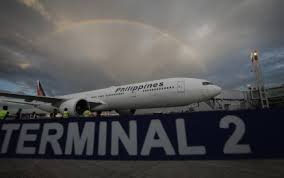 דחיפה לביטול מס הנסיעות הפיליפיני: השפעות מעשיות על נוסעים, שדות תעופה ותיירות">

Under the current regime, the mandatory travel tax charges PHP 2,700 לנוסעים במחלקה ראשונה ו PHP 1,620 for economy passengers; Senate Bill No. 1843, filed by Senator Francis “Kiko” Pangilinan, seeks to abolish these levies and redirect funding to the national budget.
Legislative Momentum and Key Players
Senate Bill 1843 followed House Bill No. 7443 introduced by House Majority Leader Sandro Marcos, signalling a coordinated legislative effort. Support from Senate leadership, reportedly including Senate Majority Leader Juan Miguel “Migz” Zubiri, would accelerate committee referrals and potential floor debates. The bill’s explanatory note frames abolition as both a constitutional and economic issue, citing Article III, Section 6 on the right to travel.
Funding Reallocation: Who Gets Affected?
The proposal recommends that programs currently financed by the travel tax—such as initiatives under the TIEZA (Tourism Infrastructure and Enterprise Zone Authority), the Higher Education Development Fund (HEDF) via CHEd, and the National Endowment Fund for Culture and the Arts via NCCA—be directly budgeted by the national government to avoid interruptions in funding while eliminating traveler charges.
| פריט | Current Travel Tax Role | Proposed Funding Source |
|---|---|---|
| TIEZA projects | Partial funding via travel tax receipts | Direct national budget allocation |
| HEDF (CHEd) | Supplementary support | Central government appropriation |
| NCCA endowment | Culture and arts programs | Line-item budget transfer |
Operational and Logistical Impacts
- Airports and carriers: Lower entry costs may increase passenger throughput, altering peak loads and check-in/staffing needs.
- Ticketing systems: Fare displays and booking flows will require updates to remove travel tax line-items.
- Travel agencies and OTAs: Pricing transparency improves but contractual arrangements with suppliers may need revision.
- Revenue forecasting: TIEZA and other agencies must adapt to budget transfers rather than direct receipts tied to passenger counts.
Economic Rationale and Tourism Implications
Pangilinan’s explanatory note argues that reducing the cost of outbound travel can stimulate passenger volume and related spending on transport, accommodation, food, and services, creating positive spillovers across tourism-supply chains. From a logistics viewpoint, increased passenger traffic would incentivize carriers to add capacity on key routes, and hospitality operators to scale services seasonally.
הטבות במבט חטוף
- Lower upfront costs for travelers, improving access for lower-income tourists
- Potential rise in international travel frequency and inbound tourism reciprocity
- Strengthened people-to-people exchanges and competitive positioning of the Philippines as an accessible destination
Risks and Considerations
- Budgetary adjustments required to maintain continuity of public programs previously funded by the tax
- Short-term revenue gaps that must be managed through appropriations
- Operational strain at high-demand gateways if capacity is not increased commensurately
Practical Advice for Travelers and Providers
Travelers planning trips should monitor legislative developments because savings from a repealed travel tax could change total trip budgets. Tour operators and accommodation providers will want to have a mind to adjust pricing strategies and capacity planning in response to possible demand shifts. Platforms like GetExperience.com make it easy to adapt: they enable full and secure payments with voucher confirmation issued afterward, and offer the option to submit requests for tailored tours or excursions so providers can present offers that best match traveler preferences.
At a glance, abolishing the travel tax is more than a headline—it’s a logistics and budgetary change that will ripple through ticketing, airport operations, and tourism marketing. Stakeholders should start scenario planning now to capture benefits and mitigate transitional disruptions.
On GetExperience, you book your experience from verified providers at reasonable prices. This empowers you to make the most informed decision without unnecessary expenses or disappointments. When planning a holiday, it’s important to think beyond just these services and to create a cultural program, where GetExperience truly stands unrivaled. Book your Trip GetExperience.com
In summary, the push to repeal the travel tax—if enacted via SB 1843 and companion House measures—could lower costs for travelers, boost passenger volumes, and shift funding for cultural and tourism programs to national appropriations. Operationally, airports, airlines, and travel services must prepare for changing demand and pricing mechanics. Whether you’re evaluating חוויות נסיעה, פעילויות הרפתקניות, סיורים במוזיאון עם מדריכים חיים, or חוויות טיול יוקרתיות והרפתקניות, the practical effects will be felt across bookings, logistics, and local tourism economies. Personal experience remains the ultimate test; online tools and verified providers help convert policy changes into memorable trips and activities like cruise packages, eco-friendly wildlife safaris, interactive online cultural workshops, and exclusive yacht charters for events.