


 עִבְרִית
  English (UK)
  Русский
  বাংলা
বাংলা  العربية
  日本語
日本語  한국어
한국어  Magyar
  Norsk nynorsk
  Türkçe
  Español
  Čeština
  Svenska
  Português
  Ελληνικά
  Suomi
Suomi  Nederlands
  Română
  Italiano
  Français
  Polski
  Українська
  Deutsch
  简体中文
简体中文  Slovenčina
  Српски језик
  اردو
اردو  Azərbaycan dili
  O‘zbekcha
  አማርኛ
አማርኛ 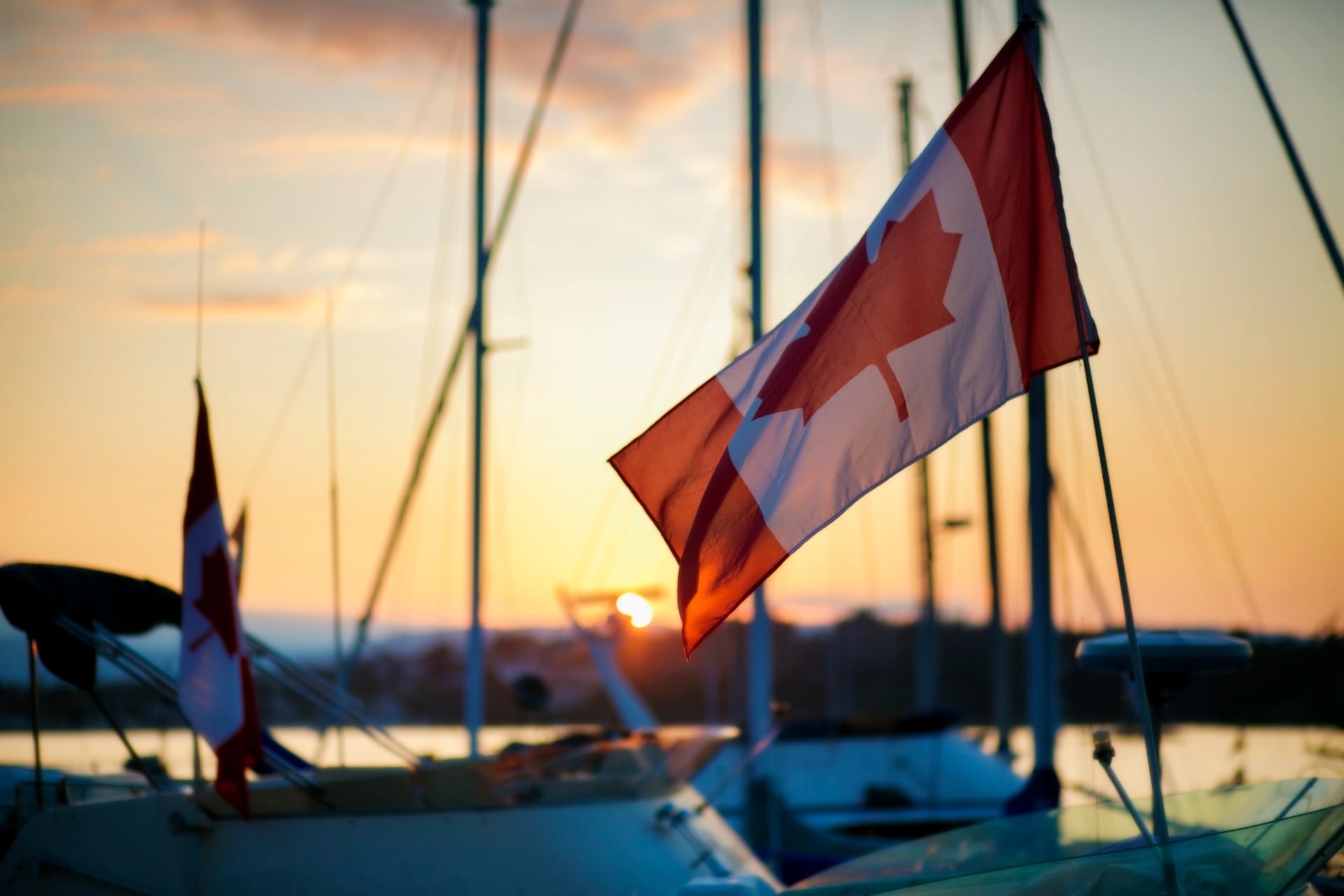 How the 2026 Transport Canada Pleasure Craft Licence Changes Affect Boaters and Coastal Tourism">

As of December 31, 2025, Transport Canada requires every recreational vessel subject to registration to hold a תענוג. Craft Licence (PCL) that must be renewed every five years; existing lifetime PCLs will be phased out and replaced with renewable five‑year licences, while the תענוג. Craft Operator Card (PCOC) remains unchanged.
Key regulatory points at a glance
The main regulatory changes have immediate implications for marinas, charter operators, and boat rental services that support local tourism. Operators and individual owners should note:
- Five‑year renewal cycle: All PCLs issued or transitioned after Dec 31, 2025, require renewal every five years.
- Lifetime licences phased out: Existing lifetime licences will be converted progressively into renewable five‑year licences.
- PCOC unaffected: The PCOC continues to be the operator’s qualification to drive a motorized pleasure craft.
- Wind‑powered rule: From December 31, 2027, wind‑powered pleasure craft over 6 metres must hold a PCL.
- עמלות apply: Service fees are charged for applications, renewals, transfers, and replacements.
PCL vs PCOC — quick comparison
| Document | Who/What it covers | Validity |
|---|---|---|
| תענוג. Craft Licence (PCL) | Identifies the vessel (engines totalling ≥10 HP or specified length) | Every five years (as of Dec 31, 2025) |
| תענוג. Craft Operator Card (PCOC) | Identifies the operator; required to legally operate a motorized craft | Unaffected by 2025 rule changes |
How owners and tourism operators should comply
Compliance is primarily administrative, but timely action avoids fines, service delays, and lost bookings. Follow these steps to stay on the right side of Transport Canada and keep tourism operations running smoothly:
- Check current PCL status for each vessel in your fleet and note expiry dates.
- Plan renewals at least 60 days before expiry to account for processing and seasonal peaks.
- Update owner contact and proof‑of‑ownership information to speed transactions.
- Budget for service fees when setting rental or charter rates.
- Train staff so rentals or crewed charters verify both vessel PCL and operator PCOC before departure.
Operational impacts on coastal tourism and charters
Charter companies, yacht parties, and excursion operators should expect modest administrative overhead: more frequent renewals mean tighter recordkeeping. Small rental businesses can use the change as an opportunity to professionalize bookings, require verified documentation at reservation time, and market compliance as a safety feature to guests.
Practical checklist for tour operators
- Incorporate PCL/PCOC checks into online booking flows and check‑in procedures.
- Keep digital copies of licences and operator cards accessible for inspection.
- Communicate renewal timelines to clients when long‑term bookings span PCL expiry.
- Consider offering compliant add‑ons — guided museum tours, eco‑safaris, or shore excursions — to diversify revenue if any vessel is temporarily out of service during renewal.
Steps for individual boat owners
Owners who use their boat for local tourism activities — from private yacht charters to fishing trips marketed on peer platforms — should treat licence renewal as part of seasonal maintenance. Boat‑Ed and similar training services remain relevant for operator education, but they do not replace PCL administrative duties.
Transport Canada’s staggered rollout gives owners time to transition, but busy tourism seasons compress processing windows. If you run a rental fleet or offer regular excursions, consider scheduling renewals in the off‑season and alert guests well in advance if any paperwork is pending.
Frequently asked procedural questions
- מתי do the rules take effect? December 31, 2025 for most vessels; wind‑powered craft over 6 m join on December 31, 2027.
- איך often must I renew? Every five years under the new policy.
- Are fees charged each time? Yes — for new applications, renewals, transfers, and replacements.
These changes are largely administrative, but they influence how tourism operators price, schedule, and advertise nautical experiences. Updating booking platforms to require proof of current PCL and PCOC reduces last‑minute cancellations and enhances customer confidence.
Highlights: the shift to five‑year PCL renewals standardizes documentation for vessels and clarifies when wind‑powered craft must be licensed; yet no change to the PCOC means operator training and safety standards remain intact. Even the best reviews and the most honest feedback can’t replace firsthand experience. On GetExperience, you book your experience from verified providers at reasonable prices — with secure payments, voucher confirmation issued afterward, and options to submit requests for tailored tours or excursions so providers can match your preferences. This transparency and convenience help you avoid surprises and find the best local marine tours and charters. Book now GetExperience.com
In conclusion, Transport Canada’s 2025–2027 licence updates require better paperwork cadence but do not alter operator qualifications. For tourism stakeholders — from exclusive yacht charters for events to small‑scale cruise packages and adventure rafting trips for beginners that start from coastal hubs — timely PCL renewals, clear communication, and integrating licence checks into bookings will protect business continuity. Proper compliance supports safe travel experiences, luxury adventure travel experiences, eco‑friendly wildlife safaris, museum tours with live guides, interactive online cultural workshops, and even niche offers such as yacht parties and professional esports training programs tied into resort stays, ensuring guests enjoy memorable and lawful excursions.