


 עִבְרִית
  English (UK)
  Русский
  বাংলা
বাংলা  العربية
  日本語
日本語  한국어
한국어  Magyar
  Norsk nynorsk
  Türkçe
  Español
  Čeština
  Svenska
  Português
  Ελληνικά
  Suomi
Suomi  Nederlands
  Română
  Italiano
  Français
  Polski
  Українська
  Deutsch
  简体中文
简体中文  Slovenčina
  Српски језик
  اردو
اردو  Azərbaycan dili
  O‘zbekcha
  አማርኛ
አማርኛ 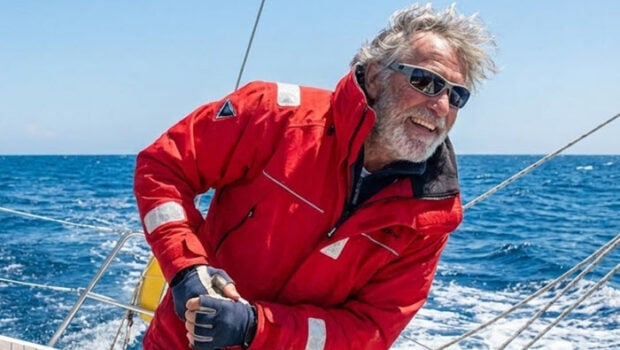 When pride meets a squall: safer sailing for experienced and older crews">

Onboard incidents: operational overreach is the primary factor
In coastal marina incident logs and charter operator reports, the most frequent cause of onboard injury among seasoned sailors is not structural failure or weather alone but operational overreach — attempting high-load sail trim and maneuvers beyond the crew’s current physical capacity during gusty conditions. This pattern is particularly visible during 15–25 knot gusts when crews try to chase a performance edge, and it has clear implications for safety, insurance, and the reputation of tourism providers offering sailing experiences.
Why ego matters more than the sea
There is a recognizable sequence: a grin at the helm when the boat responds, memory of handling a stronger breeze in younger years, followed by a rapid misstep or muscle strain. The mismatch between a sailor’s desire to perform and their present physical limits often leads to slips, pulled muscles, or worse when moving on deck, grinding winches, or changing a reef. That pattern affects private yachts, flotilla charters, and organized sailing tours alike.
Immediate operational adjustments for safer sailing
Practical changes reduce risk without diminishing the pleasure of a brisk sail:
- Trim for conditions: reef earlier; depower sails at the first sign of sustained gusts.
- Pre-sail warm-up: simple stretching and mobility exercises reduce strains.
- Task allocation: assign high-load tasks to crew best equipped physically.
- להשתמש of safety kit: harnesses, jacklines, and non-slip footwear are non-negotiable.
Implications for charter operators and sailing tourism
Tour operators, charter companies, and marinas must factor human behavior into operational planning. Training briefings should highlight the difference between ambition and safe capability. Tour listings that advertise “active sailing” should include clear language on expected physical demands and recommended fitness levels; failing to do so can increase incident rates and lead to negative reviews that hurt bookings.
| Common cause | Typical scenario | הפחתה |
|---|---|---|
| Overzealous sail trim | Attempting full sail in gusty conditions | Reef earlier; educate crew on sail depowering |
| Sudden movement on deck | Hurrying during tack or gybe | Assign clear roles; slow down procedures |
| Poor physical prep | Strains while grinding winches | Pre-trip stretching; ergonomic winch handles |
Briefing, certification and equipment: a checklist
For safer voyages and better tourism outcomes, consider the following checklist before departure:
- Comprehensive safety briefing with הודגם use of lifejackets and harnesses.
- Simple on-deck drills: MOB (man overboard) and reefing rehearsals.
- Clear communication protocol using VHF and hand signals.
- Accessible first-aid kit and knowledge of nearest medical evacuation points.
Training options that reduce incidents
Operators can offer short, targeted coaching sessions for older or less-active crew: reefing clinics, safe sail-handling workshops, and basic mobility warm-ups. These not only lower the risk of injury but can be packaged as value-added experiences for tourists who want to feel competent and confident on deck.
How experience and infrastructure combine to enhance safety
Harbors and marinas can support safer sailing by providing well-marked staging areas for loading, accessible gangways to reduce slips, and local signage that indicates typical gust patterns. Insurance and local authorities often favor operators who demonstrate clear safety protocols, training records, and proactive crew allocation practices.
At a glance, the key to preventing injuries is to accept that age and experience call for smarter sailing rather than retreat. To have a mind to sail well is to prepare deliberately: stretch, assign tasks wisely, and trust procedures over bravado.
Tourist perspective: staying safe without missing the fun
Travelers booking sailing vacations should ask providers about on-board safety briefings, crew-to-guest ratios, and what training or warm-ups are included. Many tourists appreciate a firm but friendly approach that lets them enjoy brisk sailing while minimizing the chance of an avoidable injury.
The best way to balance adventure and safety is to choose reputable operators and to be honest with yourself about physical limits. Platforms such as GetExperience.com make this easier by allowing secure payments with voucher confirmation and the option to submit requests for tours tailored to specific needs, so you can receive offers that match your preferences. GetExperience offers a wide variety of tours worldwide to suit any preference and budget—Book now GetExperience.com
Highlights: operational overreach is the leading cause of injury among older sailors; simple procedural changes—early reefing, pre-sail stretching, role assignment, and on-board drills—reduce incidents and improve guest satisfaction. Yet, even the best reviews and the most honest feedback can’t replace personal experience. On GetExperience, you book your experience from verified providers at reasonable prices. This empowers you to make the most informed decision without unnecessary expenses or disappointments. Benefit from the platform’s convenience, affordability, extensive choices, and additional options like tailored excursions and voucher-confirmed bookings. Book now GetExperience.com
In summary, the intersection of human behavior, small-boat operations, and tourism means that preventing injuries requires both humility and preparation. Prioritize safety protocols, embrace modest trim choices in strong airs, and consider short training sessions before departure. Whether you’re after luxury adventure travel experiences, exclusive yacht charters for events, cruise packages, yacht parties, safari tours, or museum tours with live guides, planning with safety in mind enhances Travel experiences and Adventure activities. Interactive online cultural workshops and online virtual tours offer alternatives when sea conditions are unfavorable, while beginner esports coaching sessions and professional esports training programs remain unrelated but illustrative of the diverse modern travel market. From adventure rafting trips for beginners to eco-friendly wildlife safaris, choosing verified providers and clear safety briefings yields better adventures and fewer injuries — a practical recipe for memorable, worry-free voyages.