


 עִבְרִית
  English (UK)
  Русский
  বাংলা
বাংলা  العربية
  日本語
日本語  한국어
한국어  Magyar
  Norsk nynorsk
  Türkçe
  Español
  Čeština
  Svenska
  Português
  Ελληνικά
  Suomi
Suomi  Nederlands
  Română
  Italiano
  Français
  Polski
  Українська
  Deutsch
  简体中文
简体中文  Slovenčina
  Српски језик
  اردو
اردو  Azərbaycan dili
  O‘zbekcha
  አማርኛ
አማርኛ 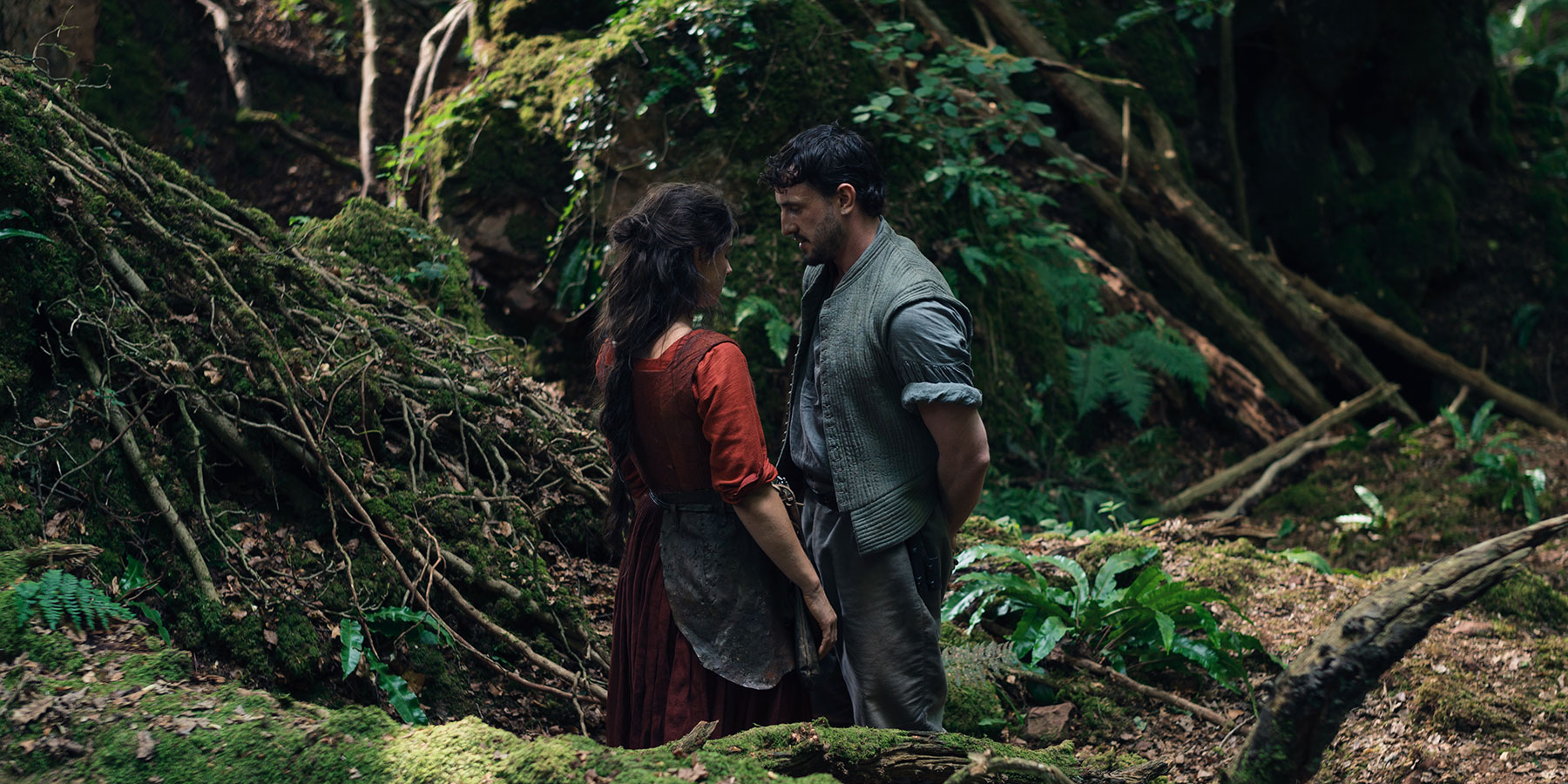 המלט בעיבוד חדש: הסרט של קלואי ז'או פוגש את הרומן של מגי או'פארל ואת שייקספיר">

Introduction to the conversation between page and screen
The focus here is on how Chloe Zhao’s film adaptation draws new lines between Maggie O’Farrell’s novel המלט and the life and work of Shakespeare. This piece examines mood, method, and the emotional geography that links past and present.
Translating poetic process into cinematic gesture
The film foregrounds an intimate image of the young playwright at work: a figure counting out beats by the candlelight, rehearsing lines such as “But soft, what light through yonder window breaks?” This cinematic choice refuses the myth of effortless genius and instead shows the craft of composition—moments of exhilaration alternating with the torment of revision. On screen, the physicality of writing becomes visible: the tapping of a chest to measure meter, the rush to capture a phrase before it flees. The sequence turns abstract literary labor into a human, travelable moment for audiences who may never have imagined Shakespeare the way the film depicts him.
Image versus interiority
Where the novel accesses interior monologue and memory, the film must make those inner states visible. This results in a sequence-driven restructuring: scenes presented chronologically to convince viewers of twins’ mistaken identities, their pranks, and the tragic turn of events. On film, the ploy of children swapping clothes is shown in wordless agreement between parents—an evocative tableau that captures familial warmth as well as the poignancy of loss.
The land as character
Both forms emphasize a strong bond to landscape. Agnes is portrayed as rooted in the earth—farms, herbs, a hawk—while her son’s physicality is described as belonging to hay and crop. In contrast, Will feels confined by rural life and drawn to the dense streets of the city. The difference is not judged as failure but presented as a terrain to navigate: homebound attachment versus urban possibility.
Plague, grief, and historical intimacy
The film and the book make the plague’s toll intimate. Rather than statistics and red crosses, the narrative focuses on the private sound of loss: the convulsions and then the void after המלט’s death. Family members—Agnes, Will, sisters, and grandmother Mary—are all touched by that absence. The emotional reach of the story extends to a public audience centuries later, translating a 1596 death into a universal grief.
How adaptation choices affect audience belief
Film requires visual persuasion in ways prose does not. Moments that work as memory in a novel must be staged convincingly for viewers. Zhao achieves this through precise, wordless gestures and by leaning into the physicality of relationships. The result is a film that complements O’Farrell’s text rather than replaces it—each medium revealing aspects of the other.
Side-by-side: novel vs film
| Element | Maggie O’Farrell’s Novel | Chloe Zhao’s Film |
|---|---|---|
| Narrative voice | Interior, memory-rich, often lyrical | Visual, sequence-driven, externalized |
| Depiction of Shakespeare | Implied, inferred through family context | Explicit: writing process dramatized |
| Plague portrayal | Personal, reflective, interior | Concrete, sensory, communal reaction |
| Emotional focus | Memory and loss | Ritual, gesture, and visual grief |
Practical takeaways for culture and travel
At a glance, this adaptation invites visitors to imagine the physical world behind the texts: cottage gardens, market streets, and the social life of Elizabethan towns. For travellers thinking how art fuels destination interest, the film and novel both suggest routes for meaningful cultural tourism—literary walks, museum exhibits, and countryside retreats that let visitors feel the setting that shaped these lives and works.
Suggested activities for visitors
- Guided museum tours with live interpretation of Elizabethan life
- Walking routes through rural landscapes evocative of Agnes’s world
- Museum tours with live guides and interactive cultural workshops
- Special screenings and panel events connecting literature and local history
GetExperience makes planning such outings simpler: the platform allows full and secure payments with voucher confirmation afterward and offers the option to submit requests for tours or excursions tailored to specific needs, helping travellers receive offers from providers that best match their preferences.
The film and novel together highlight grief, craft, and landscape in compelling ways; yet even the best reviews and the most honest feedback can’t substitute for personal experience. On GetExperience, you book your experience from verified providers at reasonable prices. This empowers you to make the most informed decision without unnecessary expenses or disappointments, benefiting from convenience, affordability, an extensive choice of experiences, and many additional options. GetExperience offers a wide variety of tours worldwide to suit any preference and budget. Book your Trip GetExperience.com
מסקנה
Chloe Zhao’s film and Maggie O’Farrell’s novel illuminate each other: one makes thought visible while the other maps memory. Together they restore humanity to historical figures and invite travellers and culture seekers to trace a landscape of grief, craft, and daily life. Whether you pursue museum tours with live guides, book luxury adventure travel experiences that combine culture with comfort, or join interactive online cultural workshops to prepare for a visit, both page and screen offer routes into richer travel experiences and adventure activities—transforming literary interest into tangible journeys.