


 עִבְרִית
  English (UK)
  Русский
  বাংলা
বাংলা  العربية
  日本語
日本語  한국어
한국어  Magyar
  Norsk nynorsk
  Türkçe
  Español
  Čeština
  Svenska
  Português
  Ελληνικά
  Suomi
Suomi  Nederlands
  Română
  Italiano
  Français
  Polski
  Українська
  Deutsch
  简体中文
简体中文  Slovenčina
  Српски језик
  اردو
اردو  Azərbaycan dili
  O‘zbekcha
  አማርኛ
አማርኛ 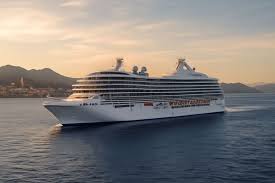 הבנת התשלום החדש של צרפת בסך 15 אירו לנוסע שייט והשפעתו על התיירות">

New Cruise Passenger Fee in France: What’s Changing?
France has recently approved a new levy targeting cruise ship passengers who dock at its ports, a move designed to address environmental concerns and manage growing tourist numbers. This €15 fee per passenger is expected to raise significant funds aimed at preserving the country’s delicate coastal areas, reflecting a broader commitment to sustainable tourism practices.
The Rationale Behind the Tax
This new charge follows the well-known “polluter pays” principle, which holds that those who generate pollution should bear the costs of managing its consequences. Cruise ships, large floating cities in their own right, contribute substantially to carbon emissions and pollution in European waters. Reports highlight that cruise vessels emit around seven million tonnes of CO2 annually in Europe, making this fee a step towards addressing their environmental footprint.
Estimated Impact and Usage of Revenue
The levy’s revenue, projected at up to €75 million per year, is envisioned to support conservation efforts for France’s coastal environments, which are often strained under the weight of tourism growth. With over 3.8 million cruise passengers expected to visit France in 2023, the fee represents a significant funding source for ecological protection and sustainable coastal management.
Local Restrictions and International Trends
The introduction of this tax comes amid increasing local actions to control cruise tourism volumes. For instance, Cannes has banned vessels carrying over 1,000 passengers from January next year, while Nice limits cruise ship arrivals to 65 annually. Such measures aim to ease pressure on local infrastructure and communities affected by large numbers of visitors.
Across Europe, similar efforts are underway. Greece, for example, has implemented a climate crisis resilience fee on cruise passengers, varying by destination. Popular islands like Mykonos and Santorini musters a higher fee of €20, while other spots charge €5. This strategy reflects a growing awareness of environmental impacts tied to cruise tourism and a shared goal of mitigating these effects through user fees.
| מקום | מִדָּה | Fee/Restriction | Purpose |
|---|---|---|---|
| France (national) | New Cruise Passenger Tax | €15 per passenger | Protect coastal environment; fund conservation |
| קאן | Ban on large cruise ships | Ships with >1,000 passengers banned | Reduce overtourism impact on port |
| נחמד. | Annual cruise ship limit | 65 ships per year | Manage visitor numbers, appease locals |
| Greece | Climate crisis fee | €20 for hotspots, €5 elsewhere | Address environmental costs of tourism |
Controversy and Government Stance
The decision to introduce the tax has sparked debate within France’s political scene. The lower chamber, the National Assembly, must still approve the measure later this year. Meanwhile, the government warns about the challenges in clearly distinguishing between ferries and cruise ships for taxation purposes. This logistical hurdle has contributed to ongoing discussions about the best way to implement such fees without unnecessary complications for travelers and operators.
Implications for Cruise Tourism and Travelers
For those planning to visit France aboard cruise ships, this fee may be a new factor to consider when budgeting their trips. While some may view this as an additional cost, it’s important to recognize the broader benefits to environmental sustainability and the preservation of coastal communities. With popular tourist destinations increasingly under pressure, such measures attempt to balance visitor enjoyment with long-term resource protection.
Moreover, cities like Cannes and Nice setting booking caps or size restrictions highlight how local governments are taking matters into their own hands to ensure manageable tourism flows. These moves may gradually shift traveler behavior, potentially encouraging more diverse voyage planning or off-season visits that distribute tourist impact more evenly.
France’s Tax in the Context of Tourism Management
Adopting such levies reflects a growing worldwide trend toward ensuring tourism accounts for its environmental and social costs. Cruise tourism itself has grown steadily, with millions opting for the convenience and enjoyment these floating resorts provide. However, sustainability concerns are reshaping how destinations respond, making it clear that responsible tourism practices are key to preserving popular coastal locales לדורות הבאים.
למה זה חשוב למטיילים וחובבי תיירות
The cruise passenger fee in France is a noteworthy example of how tourism sectors are evolving to meet environmental challenges. While policy discussions continue, travelers can stay informed and prepared by understanding these changes as part of their travel planning. It’s a reminder that each visitor’s contribution matters in sustaining the destinations they love.
Booking experiences through trusted platforms such as GetExperience.com can make a world of difference. This site not only provides the convenience of secure online payments and voucher confirmations but also allows tourists to tailor excursions and tours to their preferences, receiving offers best aligned with their interests. Such transparency and flexibility align wonderfully with the spirit of sustainable travel and responsible tourism management.
Booking Your Next Cruise Visit with Confidence
At a glance, understanding these new tourism fees and local regulations equips travelers with knowledge to make informed choices. Yet, even the most detailed reviews or news can’t replace personal experience. With GetExperience.com, you’re empowered to book verified experiences at reasonable prices without unexpected surprises. The platform’s extensive array of choices, affordability, and hassle-free payment system offer travelers peace of mind—whether seeking museum tours with live guides, eco-friendly wildlife safaris, or exclusive yacht charters for special events—your journey begins with a click.
הזמן עכשיו on GetExperience.com and discover a seamless path to unforgettable travel and adventure.
סיכום
In summary, France’s introduction of a €15 cruise passenger tax represents a significant development in combating environmental impacts linked to cruise tourism. As more destinations worldwide adopt similar measures, travelers and the cruise industry alike are invited to reconsider their roles in sustainable tourism. The local restrictions on passenger numbers in ports such as Cannes and Nice add another layer of management aimed at balancing economic benefits with environmental stewardship. For tourism enthusiasts and adventurers, this spells a new chapter where personal experience combines with responsible choices, and platforms like GetExperience.com play a vital role in connecting travelers with enriching, sustainable journeys. This evolving landscape highlights the importance of being informed and proactive, ensuring adventure and exploration continue to flourish alongside preservation and respect for places visited.