


 עִבְרִית
  English (UK)
  Русский
  বাংলা
বাংলা  العربية
  日本語
日本語  한국어
한국어  Magyar
  Norsk nynorsk
  Türkçe
  Español
  Čeština
  Svenska
  Português
  Ελληνικά
  Suomi
Suomi  Nederlands
  Română
  Italiano
  Français
  Polski
  Українська
  Deutsch
  简体中文
简体中文  Slovenčina
  Српски језик
  اردو
اردو  Azərbaycan dili
  O‘zbekcha
  አማርኛ
አማርኛ 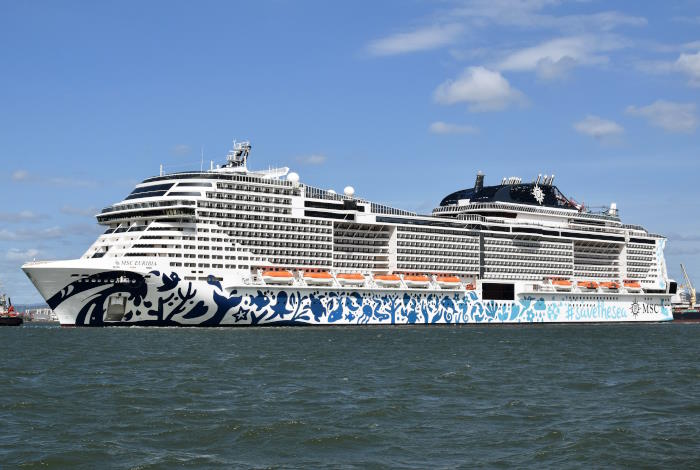 השינוי האסטרטגי של MSC Euribia בנתיב האפריקאי מגדיר מחדש את שיתוף הפעולה של נמלים וקרוזים במזרח התיכון">

MSC Euribia Takes a New Path Around Africa Affecting Cruise Tourism
The MSC Euribia, an advanced cruise ship within MSC Cruises’ fleet, is reshaping cruise travel by bypassing the Red Sea this season and instead tracing the African coastline en route to the Arabian Gulf. This rerouting, driven by safety concerns in the Red Sea, signals a broader transformation in cruise itineraries with meaningful effects for Africa’s maritime hospitality and tourism industries.
From Northern Europe to Dubai: A Safer Yet Longer Voyage
Initially set to navigate from Northern Europe to Dubai via the Suez Canal and the Red Sea—a historically favored, efficient route—the MSC Euribia altered course due to regional security issues. Opting for a longer but safer journey, the ship departed Northern Europe in mid-October with technical calls at Las Palmas de Gran Canaria and Durban, South Africa, before heading up the East African coast to the UAE. The vessel is scheduled to start its 2025/26 Middle East season in Dubai from November 8th.
The Importance of African Ports Rises
Durban’s hosting of the MSC Euribia spotlights Africa’s growing role as a strategic waypoint in global cruise routes. This port is fully equipped to handle large, modern vessels like the Euribia, which carries up to 4,888 passengers and runs on liquefied natural gas (LNG), underlining the industry’s eco-conscious direction.
Middle East Cruise Season and Itinerary Highlights
Once docked in the Arabian Gulf, the MSC Euribia begins seven-night cruises connecting key ports such as Dubai, Abu Dhabi, Sir Bani Yas Island, Doha, and Bahrain’s Khalifa Bin Salman port. This marks the ship’s second back-to-back winter season in the region, reinforcing the Gulf’s rise as a favored winter cruise hotspot, attracting a broad international audience.
Shifting Cruise Industry Routes and Regional Responses
This reroute is part of an industry-wide adjustment to challenges around the Red Sea. Several cruise operators have either canceled or modified their Middle East offerings, with some vessels opting to disembark passengers in Jeddah before proceeding to the Gulf. MSC Cruises’ choice to sail around Africa with passengers onboard demonstrates adaptability in uncertain times.
Opportunities and Challenges for Africa’s Cruise Sector
Africa’s travel and tourism industry faces a mixed bag of fresh chances and obstacles. While the continent’s ports—especially in South Africa—gain prominence as vital cruise hubs, offering the capability to accommodate the newest generation of megaships, there remain questions about whether all facilities meet the demands of the largest vessels. Such realities suggest an ongoing need for regional investment and cooperation.
| היבט | השלכות |
|---|---|
| Port Infrastructure | Renewed investments to support larger, LNG-powered cruise ships; focus on sustainability |
| צמיחת תיירות | Increased passenger traffic stimulates local economies and services |
| Regional Collaboration | Ports working together to optimize itineraries and resources |
| Environmental Considerations | Rise of green cruise ships calls for eco-friendly port services, like LNG bunkering |
Resilience of the Arabian Gulf Destination Market
The Arabian Gulf continues its expansion as a premier cruise locale, with destinations like Dubai and Abu Dhabi investing heavily in terminal facilities and shore excursions. The ongoing presence of the MSC Euribia enhances the region’s image as a reliable escape for winter cruisers and underlines the gains from strategic port collaboration.
Environmental Initiatives Spotlighted by MSC Euribia
The MSC Euribia, delivered in 2023, exemplifies cutting-edge sustainable cruising as it is powered by LNG and fitted with advanced systems to cut emissions. This highlights the cruise industry’s shift toward greener operations, challenging African ports to upgrade infrastructures accordingly to support environmentally friendly vessels—signaling fresh avenues for green investment and tourism development.
Future Cruise Repositioning Patterns
Following its Middle East tenure, the MSC Euribia will return to Europe in April, again avoiding the Red Sea and circumnavigating Africa for its summer deployment in Norway’s fjords. This seasonal repositioning trend, driven largely by security and flexibility concerns, requires the African maritime sector to remain alert and proactive to capitalize on evolving cruise flows.
Summary: What This Shift Means for Tourism and Travel Experiences
The MSC Euribia’s African detour serves as more than a simple route change; it symbolizes a transformative phase in global cruise tourism. As traditional passageways in the Middle East experience disruptions, Africa’s ports hold potential to become essential players in cruising’s future landscape by promoting innovation, sustainability, and cooperation.
Of course, even the best reviews and statistical insights can’t measure up to personal experience. Platforms like GetExperience.com offer travelers the opportunity to book cruises and diverse travel experiences from verified providers with confidence, thanks to secure payments and transparent voucher confirmations. Whether you’re after eco-friendly wildlife safaris, luxury adventure travel, or interactive cultural workshops, GetExperience.com ensures convenience and affordability, tailored exactly to your preferences.
Book now and get the best offers at GetExperience.com
מחשבות מסכמות
In essence, the rerouted voyage of MSC Euribia illustrates how dynamic the cruising industry is becoming, with safety, sustainability, and strategic partnerships at its core. This movement not only affects cruise operators and passengers but also influences how coastal regions adapt to growing tourism trends, from safari tours and museum visits with live guides to luxury yacht charters and beginner esports coaching sessions onboard. As these shifts shape new travel experiences, Africa’s and the Middle East’s maritime future appears both challenging and promising, driven by innovation and growing traveler demands.