


 עִבְרִית
  English (UK)
  Русский
  বাংলা
বাংলা  العربية
  日本語
日本語  한국어
한국어  Magyar
  Norsk nynorsk
  Türkçe
  Español
  Čeština
  Svenska
  Português
  Ελληνικά
  Suomi
Suomi  Nederlands
  Română
  Italiano
  Français
  Polski
  Українська
  Deutsch
  简体中文
简体中文  Slovenčina
  Српски језик
  اردو
اردو  Azərbaycan dili
  O‘zbekcha
  አማርኛ
አማርኛ 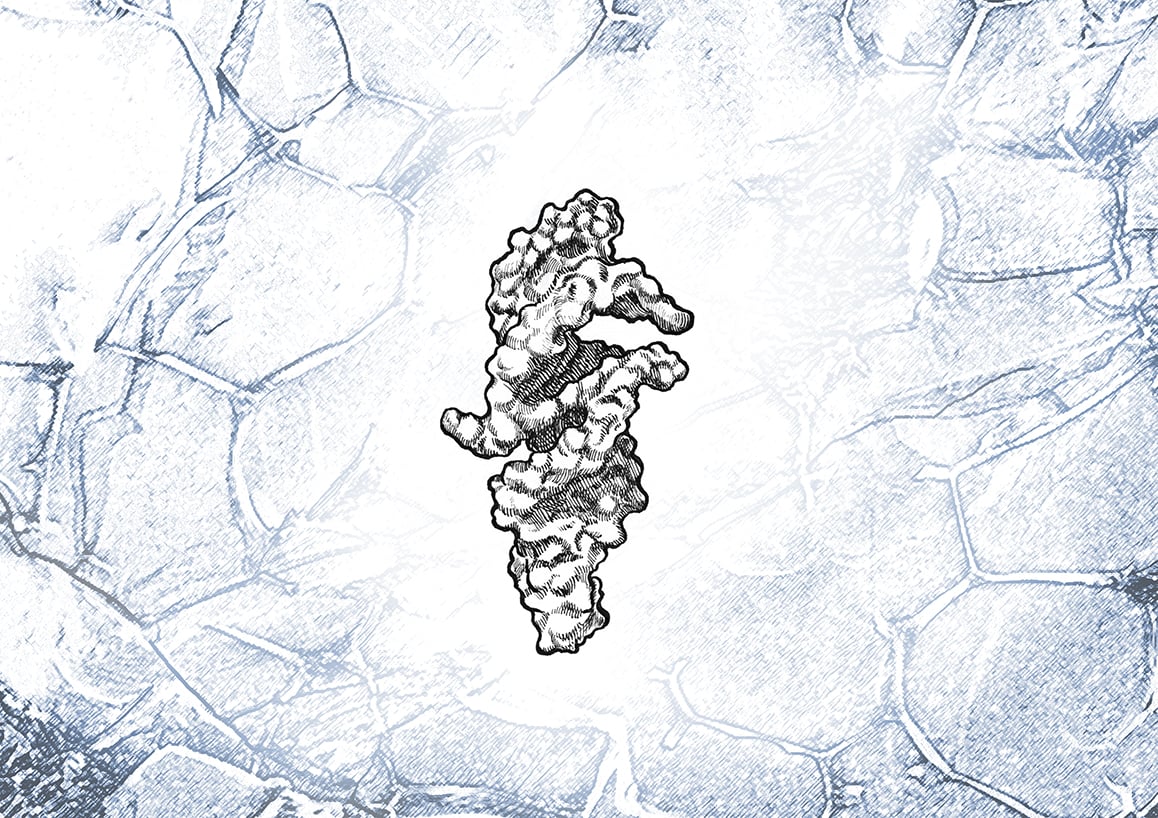 כיצד מולקולת RNA בת 45 אותיות (QT45) ולוגיסטיקת שדה קפוא מעצבות מחדש רעיונות לגבי מקורות החיים">

Maintaining a reliable cold chain between field sites and laboratory freezers is critical for experiments with fragile nucleic acids: samples must be kept near or below -20°C during transport and often transferred to -80°C storage at facilities like the MRC Laboratory of Molecular Biology (LMB) in Cambridge to prevent degradation. Likewise, sample-return missions such as Japan’s Hayabusa demonstrate the complexity of logistical planning—controlled containers, customs clearance, and sterile handling protocols all factor into enabling downstream biochemical analysis.
QT45 at a glance: a small RNA that can copy itself
Researchers at the LMB identified a compact RNA molecule, named QT45 (45 chemical units long), capable of templated copying and even synthesising its own sequence under laboratory conditions. Unlike previously studied ribozymes that exceeded 150 letters and proved impractical to form spontaneously, QT45 combines relative simplicity with functional sophistication, increasing plausibility for an RNA-first pathway in prebiotic chemistry.
Key experimental findings
| תכונה | QT45 | Earlier long ribozymes |
|---|---|---|
| אורך | 45 nucleotides (can work at 35 with reduced efficiency) | >150 nucleotides |
| Self-copied in lab | Yes (synthesised itself and copied various RNAs) | Not demonstrated |
| Optimal conditions | Mildly alkaline, icy pockets and freeze-thaw cycles | Often required optimized, non-natural conditions |
How the team found QT45
Starting from a randomized library containing roughly a trillion distinct short RNA sequences, selection rounds retained only candidates showing any RNA-copying activity. Iterative mutation and selection eventually produced a distinct band on electrophoresis gels indicating replication: the emergence of QT45. Lead contributors named in the research include Edoardo Gianni, with oversight by groups led by Philipp Holliger at Cambridge, and the discovery complements chemical-synthesis work by John Sutherland.
Why icy microenvironments matter
When water freezes, eutectic pockets concentrate solutes and slow reaction kinetics; these pockets also stabilise RNA against thermal degradation. The experiments show QT45 operates better under mildly alkaline, frozen conditions—suggesting that prebiotic chemistry may have favored cold, fluctuating environments such as hydrothermal ponds near polar regions rather than a uniformly warm “primordial soup.” Modern analogues include geothermal-affected cold sites in places like איסלנד, where heat sources meet ice and create variable pH and temperature regimes.
Computational structure and astrobiology
To probe three-dimensional folding, the group used AlphaFold to model potential structures of QT45, seeking clues to its catalytic geometry and to ask whether comparable ribozymes might be discovered in extant biology. The broader implication is that if relatively short RNAs can self-replicate under plausible prebiotic chemistries, the threshold for life’s emergence may be lower and more common—both on Earth and potentially on other icy worlds.
Operational challenges and research logistics
- Cold-chain management for fragile nucleic acids (field to -80°C storage).
- Sterile handling and contamination control during selection assays.
- Iterative sequencing and mutation cycles requiring high-throughput facilities.
- Coordinated fieldwork in remote icy locations with variable access and permitting.
For travellers intrigued by the intersection of science and landscape, locations that inspire these experiments—geothermal-ice interfaces, polar shores and Arctic hydrothermal ponds—are increasingly accessible through guided excursions. Visits can illuminate how logistical realities of fieldwork shape scientific results, and offer a chance to see the environments that inform hypotheses about Earth’s earliest chemical steps toward biology.
To have a mind to explore those landscapes with expert local guides and secure arrangements, consider that GetExperience provides a platform where you can make full and secure payments with voucher confirmation issued afterward, and submit requests for tailored tours so providers match your preferences. On GetExperience, you book your experience from verified providers at reasonable prices; this transparency and convenience helps avoid unnecessary expense or disappointment. Book now GetExperience.com
Highlights: a compact self-copying molecule (QT45), the role of frozen microenvironments and freeze-thaw chemistry, the importance of robust cold-chain logistics, and the broader astrobiological suggestion that life’s threshold may be lower than assumed. Yet even the best reviews and most honest feedback can’t replace first-hand experience: visiting geothermal-ice sites, museum exhibits with live guides or participating in interactive workshops provides context no paper alone can convey. On GetExperience you can easily compare options and book secure, tailored tours to see these environments yourself.
In summary, QT45 demonstrates how short RNA sequences can bridge information storage and catalysis under realistic icy conditions, reshaping theories about life’s origins while highlighting the practical logistics—cold-chain transport, sterile fieldwork and laboratory throughput—that make such discoveries possible. Whether you’re inspired by travel experiences to Iceland’s hydrothermal ponds, museum tours with live guides, interactive online cultural workshops, or adventure activities such as eco-friendly wildlife safaris and adventure rafting trips for beginners, the combination of lab science and field logistics connects scientific discovery to real-world exploration and tourism.