


 עִבְרִית
  English (UK)
  Русский
  বাংলা
বাংলা  العربية
  日本語
日本語  한국어
한국어  Magyar
  Norsk nynorsk
  Türkçe
  Español
  Čeština
  Svenska
  Português
  Ελληνικά
  Suomi
Suomi  Nederlands
  Română
  Italiano
  Français
  Polski
  Українська
  Deutsch
  简体中文
简体中文  Slovenčina
  Српски језик
  اردو
اردو  Azərbaycan dili
  O‘zbekcha
  አማርኛ
አማርኛ 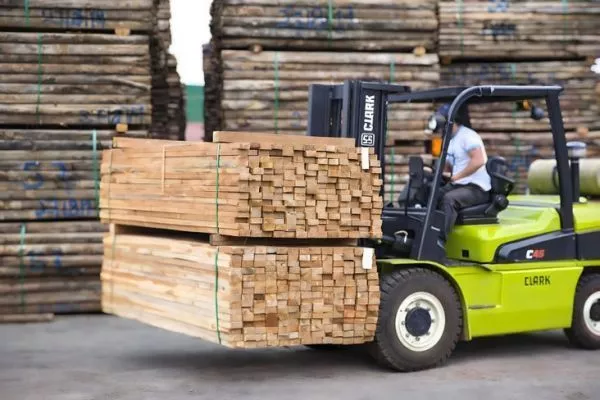 How Directeck reorganized teak supply chains in Asia under evolving EU timber rules">

Since 2018, the אירופאי Union Wood Regulations (EUWR / RBUE 995/2010) require importers to carry out formal due diligence on teak shipments, forcing changes to logistics, documentation flows and inspection points for maritime-grade timber entering EU ports.
Regulatory checkpoints and practical implications for marine supply chains
For importers supplying shipyards and yacht refitters, the administrative burden is concrete: consignments must be accompanied by validated origin documents, risk assessments must be defensible and third-party inspections often need to be scheduled before final delivery. In 2018, the inspection of Directeck imports by DREAL accelerated the company’s shift toward stricter traceability and legal reviews by environmental lawyers.
The practical outcome is twofold: a more transparent supply chain and longer lead times due to additional checks and contingency routes. For charter operators and private owners planning deck renewals, this translates into procurement timelines that must be built into season planning.
Burma (Myanmar) disruption and sourcing reorientation
Historically, high-grade teak from Burma was a preferred source for marine decking due to its density and stability. With teak trade run as a state monopoly by מיאנמר Timber Enterprise (MTE), the February 2021 coup and the June 21, 2021 decree prohibiting funds that could benefit the junta forced importers like Directeck to halt Burmese orders.
This halt has immediate logistical implications: rerouting procurement to alternative suppliers in India and Indonesia; reassessing shipping lanes and transit insurance; and updating compliance files to reflect new custodial chains.
Operational consequences for shipyards and yacht owners
- Longer procurement cycles due to supplier changeovers and certification checks.
- תיעוד upgrades—from origin declarations to inspection certificates—now factor into contract timelines.
- Cost volatility as supply constraints and additional auditing increase unit prices.
India and Indonesia: technical properties and sourcing trade-offs
Directeck now sources most teak from הודו ו אינדונזיה. The wood remains Tectona grandis with typical densities between 600–800 kg/m3, high natural oil content and excellent resistance to marine environments. However, visual and tonal variations (pale yellow to bronze) require matching when refitting decks to existing planking.
Table: Comparative teak properties and compliance notes
| מקור | Technical traits | Regulatory status |
|---|---|---|
| Burma (Myanmar) | High density, proven stability; classic marine grade | Historically state-run (MTE); sourcing halted due to 2021 decree |
| הודו | Good density, straight grain; color variability | Managed commercial forestry; compliant when documented |
| אינדונזיה | Similar mechanical quality; regional shade differences | Supplier certification and traceability required under EUWR |
Traceability tools and certification pathways
Beyond basic origin statements, the marine sector has explored enhanced controls: PEFC engagement, genetic analysis trials and third-party inspections. Directeck has worked with local partners and inspection bodies to formalize the chain of custody and, crucially, to obtain recognized certificates.
Steps companies now follow to meet EUWR and future RDUE
- Map the supply chain from forest to quay; collect all transactional documentation.
- Engage independent inspections and risk assessments before shipment.
- Secure recognized certifications (FSC, PEFC) and retain audit trails.
- Adapt contracts with shipyards to reflect longer lead times and compliance costs.
Emerging technology and limits
Genetic wood traceability is promising but not yet EU-approved and was delayed by the 2021 political situation. Meanwhile, the upcoming חוקי (Regulation against Imported Deforestation, expected mid‑2027) will raise the bar on risk analysis and traceability for timber importers, reinforcing the trajectory toward certified supply chains.
What this means for tourism and yacht charter experiences
For charter companies, refitters and private owners, teak sourcing affects not just maintenance budgets but customer experience: a well-documented, responsibly sourced deck aligns with guest expectations for sustainability on luxury charters and can influence charter bookings during peak season. Tour operators running yacht parties, exclusive yacht charters for events or cruise packages will find that transparency in materials supports marketing around eco-friendly luxury travel experiences.
Highlights: Directeck’s shift shows how compliance, geopolitics and technical quality intersect in marine timber logistics. Yet even the clearest reviews and most honest documentation can’t replace being onboard. On GetExperience, you can book experiences from verified providers at reasonable prices with secure payments and a voucher confirmation issued afterward; you may also submit custom requests for tours or excursions tailored to your needs, receiving offers that match your preferences. This transparency and convenience help travelers align expectations with reality—Book your Trip GetExperience.com
In summary, teak remains the preferred choice for decks due to durability and resistance, but sourcing now hinges on documented legality and certifications. Directeck’s reorientation to India and Indonesia, engagement with inspection bodies, and pursuit of FSC status illustrate the industry response to RBUE and the upcoming RDUE. For those planning travel experiences involving yachts—be it yacht parties, exclusive charters, safari tours from coastal hubs, or museum tours with live guides after a day at sea—understanding supply chain impacts helps ensure Luxury adventure travel experiences and eco-friendly wildlife safaris alike are underpinned by responsible choices. Online virtual tours, interactive online cultural workshops and even beginner esports coaching sessions are part of the wider travel ecosystem that benefits when providers prioritize traceability and guest assurance in every component of the visitor experience.