


 עִבְרִית
  English (UK)
  Русский
  বাংলা
বাংলা  العربية
  日本語
日本語  한국어
한국어  Magyar
  Norsk nynorsk
  Türkçe
  Español
  Čeština
  Svenska
  Português
  Ελληνικά
  Suomi
Suomi  Nederlands
  Română
  Italiano
  Français
  Polski
  Українська
  Deutsch
  简体中文
简体中文  Slovenčina
  Српски језик
  اردو
اردو  Azərbaycan dili
  O‘zbekcha
  አማርኛ
አማርኛ 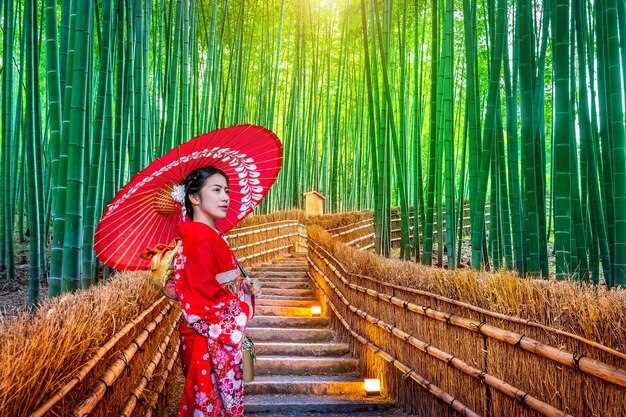 סיור לילי קסום בגִיון קיוטו עם תובנות על גיישות">
קח את ההמלצה הזו: הזמן סיור לילה מודרך בגִיּוֹן קיוטו עם Geisha Insights כדי להבטיח ערב בלתי נשכח. המסלול מתחיל ליד שיג'ודורי וחוטים בסמטאות מוארות של גיאון, שם פנסים זוהרים וחזיתות עץ לוחשות היסטוריה. המדריך שלך, טצומי, יעריך את הקהל, יתאים את הקצב ויחלוק הערות מעשיות שמפיחות חיים בתרבות הגיישות. הטיול נמשך כשעתיים וחצי וכולל מספר עצירות להתבוננות בנימוסים ובקצב השקט של השכונה אחרי החשיכה.
בדרך תראו מקדשים ומזבח הניצבים במתחמים שלווים; החזיתות המוארות והסמטאות הצרות יוצרות אווירה לתצפית זהירה. תשמעו אנקדוטות על נימוסים והרגלי יום, ותשימו לב לפרטים קטנים, כמו אורחים המשתחווים ומאיקו הפוסעת בעדינות לאורך הספים.
טיפים מעשיים: נעלו נעליים נוחות. ושמרו על א זהיר קצב; שימו לב לקורקינטים שנעים בסמטאות צרות. המדריך שלכם יעריך את הקבוצה ויתאים את הקצב, וידאג שלא תפספסו הזדמנויות צילום בכמה פינות מוארות בפנסים. אם אתם רוצים לסיים בארוחת ערב קלה, תכננו לצאת לכיוון שיג'ו או לאורך פונטוצ'ו, שם האפשרויות נשארות פתוחות קצת אחרי הדמדומים.
עבור מטיילים השוהים בחו"ל, הליכה לילית זו מספקת הקשר מעשי להתנהגות מכבדת וזיכרונות אותנטיים. אם תרצו להאריך את הלילה, תוכלו להשתהות ליד הנהר לאחר שהזוהר האחרון ידעך ולחזור למלון לבוקר רגוע. התובנות מטַטְסוּמִי יישארו איתכם בבוקר ואף מעבר לו, ויהפכו את הלילה למואר ושליו.
סיור הלילה בגִיוֹן קיוטו: מדריך מעשי וסיכום תובנות על גיישות
נעלו נעליים נוחות והקדימו; בין אם תרצו טיול קצר או תדריך מעמיק יותר המתמקד בגיישות, הזמינו מדריך מורשה המתמחה בגיוֹן של קיוטו כדי למקסם את התובנות.
התחילו ליד נהר שירקאווה ועקבו אחר הסמטאות המוארות לאורך רחוב הנאמיקוג'י; תחלפו על פני בתי תה מסורתיים, סבכות עץ ומדרגות הדורשות דריכה זהירה, כולל חצר נסתרת, לכן לכו לאט ובזהירות.
סיכום תובנות הגיישה כולל זיכרונות על אימונים, משמעת וקצב הזמן היומיומי בגיון; מפגש עם נשים המופיעות בחן הוא מרתק ומשאיר רושם חיובי, ותשמעו כיצד הן מעריכות מאוד הקשבה, תזמון וחישת החדר, וכיצד הן אוהבות להתאים שיחות לרגע.
<p השעות והשירותים משתנים מבית לבית, אך ערבים טיפוסיים מתנהלים אחרי השעה 19:00 ויכולים להימשך עד 21:00–22:00; המדריך שלכם יסביר על השירותים הזמינים, החל משיחה קלה ועד להופעות קצרות, ויש לכם הזדמנות לתכנן בגמישות רגע מועדף או חילופי דברים שקטים שמרגישים משמעותיים.נימוסים בעת ביקור חשובים: ברכו בנימוס, הימנעו מקולות רמים והישארו עם הקבוצה; בקשו רשות לפני צילום, והימנעו מלגעת בחפצים; המדריך יראה קווי התנהגות מכבדים כדי שתטיילו בזהירות ובנינוחות.
אחרי הסיור, שקלו עצירה קצרה למשקה אהוב לאורך הרחובות, או עיינו בחנויות קטנות למזכרות; אם אתם גרים בקיוטו למשך שבוע, שילוב של הלילה הזה עם ביקור במקדש ביום מרחיב את החוויה החיובית, ותשמרו על זיכרונות חיים מסיפורי גיישות והפינות הנסתרות והאינטימיות של גיאון.
תזמון אופטימלי: מתי להתחיל כדי למקסם את הסיכויים לצפות בגיישות?
התחילו ב-17:30 כדי למקסם את הסיכויים לראות גיישות לאורך הסמטאות מוארות הפנסים של גיון, שם השטף האנרגטי הראשוני של חיי הערב נפגש עם הופעות מתוכננות בין בתי תה ופגישות.
באביב ובסתיו, חלון הדמדומים המוקדמים הזה מאריך את הראות, בעוד שהחורף מעביר את הפעילות מוקדם יותר והקהל מצטמצם, ויוצר כיסים שלווים לתצפית קשובה. הזמינות משתנה מדי ערב, אז בדקו בדלפק הסיורים לגבי העדכונים האחרונים והמדיניות לגבי צילום. הטיול המודרך באנגלית מדגיש את ההקשר, והסיפור זורם מזיכרונות ובעבודת יד כדי לעזור לכם להעריך את המסורת ללא הסחות דעת.
כדי לייעל את הסיכויים שלך, כוון לשני חלונות זמן מעשיים: התחלה עיקרית ב-17:30 עבור מרכז גיאון, וטשטוש משני בין 18:45 ל-19:30 בערבים עמוסים כאשר מסלולים בין מחוזות מהדקים את הקצב. החוויה כוללת רגעים אוצרים, מתאבנים קלים והזדמנויות מכבדות להתבונן, תוך שימת לב לבקשות ממארחים ואורחים.
לניגוד משלים, שקלו את שעות הבוקר ליד גינקאקוג'י כמבוא שליו לטיול הלילי. השקט הזה מאפשר לכם להעריך את הקצב של קיוטו ואת הנופים הראויים לזיכרונות לפני שהעיר עוברת בעדינות לאנרגיית הערב, וזה מעשיר את ההבנה הכוללת של תרבות הגיישות בסביבות יוקרתיות.
| עונה | חלון פתיחה מיטבית | רשימת פעילות של גיישה | טיפ מעשי |
|---|---|---|---|
| אביב (מרץ–מאי) | 17:25 – 18:40 | נראות מקסימלית לאורך הנתיבים המרכזיים; קהל רב אך ניתן לשליטה. | הגיעו 10 דקות לפני הזמן; שמרו על גישת צילום רגועה כדי לכבד בקשות. |
| קיץ (יוני–אוג׳) | 18:10 – 19:30 | ערבים ארוכים יותר; לחות מורידה את קצב הצפייה אך מגדילה את הזמינות לאחר העבודה. | הקפידו על שתייה מרובה, בחרו במקטעי הליכה מוצלים ותנו עדיפות לרחובות רחבים יותר לחוויית צפייה חלקה יותר. |
| סתיו (ספט'-נוב') | 17:40 – 18:50 | איזון מיטבי של אור ותנועה; הפנסים מוסיפים אווירה. | תכנן עצירה קצרה בנקודת תצפית כדי להרהר ולתפוס רגע של סיפור. |
| חורף (דצמ’-פבר’) | 17:00 - 18:15 | נתיבים שקטים יותר; קריסה מוקדמת יותר של הפעילות אך סיכויים ברורים לפני השקיעה. | :התלבשו בחמימות; מרחקים קצרים יותר, עם חלונות המאפשרים תצפיות אינטימיות. |
כללי אתיקה ונימוסים: איך להתבונן בגיישה בכבוד
יש להנמיך את הטון ולשים לב למרחב; התבוננות בנחת דעת הופכת את החוויה לעשירה ומכבדת.
בגיונס, נימוסים מועברים דרך מארחים ומקצבי חיי היומיום; למבקרים, הנחיות אלה עוזרות ליישר קו עם המסורת במהלך ימי הביקור.
- יש לעמוד הרחק מחזית ההופעות והטקסים; להישאר על המדרכות או השבילים המיועדים ולתת עדיפות למי שעובדים בשטח.
- הגבלת צילום: כבדו הגבלות שמציבים המקומות או המארחים; אם מותר לכם לצלם, שמרו על המצלמה נמוך וכוונו לקומפוזיציה ולא לפנים; הימנעו מפלאש ופטפוטים רועשים במהלך רגעי הכנה או הופעה.
- השתמשו בכרטיסים וחוויות מאושרים: הזמינו דרך ערוצים רשמיים; חוויות אלו מגיעות עם הנחיות וציפיות התנהגות; טיפול במזומן צריך לעבור דרך המקום כהצעה לתמיכה בערב, לא כטיפים ישירים לאנשים פרטיים.
- כַּבְּדוּ מקדשים וגנים לאורך המסלול: עצרו לרגע קצר, קידו קידה, והמשיכו הלאה בשקט; הימנעו מלהיכנס לאזורים מוגבלים או מלגעת בצמחים.
- היו מעורבים במודע עם המדריך: שאלו שאלות מעמיקות על היסטוריה, אימונים ואמנויות, ולא על חיים אישיים; שאלות אלו צריכות להישאל בהפסקות מתאימות ולא במהלך הופעות; שאלות ספונטניות יתקבלו בברכה כאשר המארח מזמין שיחה.
- Be considerate of those hosting and performing: keep conversations soft and minimal; do not interrupt or crowd those in front of the group; respect the schedule and the recommended pace for the hike through narrow streets.
- Prepare your interests in advance: share your interests in history, gardens, tea brewing, or artisan crafts with your guide; they tailor the experiences to fit the medium and your curiosities.
- Respect the environment: avoid litter; carry bags for your trash; do not touch artifacts in gardens or shrine precincts; stay on marked ground to protect centuries-old grounds.
- Do keep voices low and walk quietly behind the group during performances.
- Don’t address geisha directly during a performance; wait for a cue from the host or guide.
- Do follow all restrictions posted by venues, tours, and hosts; this includes photography rules and seating arrangements.
- Don’t pressure for personal contact or autographs; exchange respect and gratitude through the experience and official channels.
- Do tip or offer gratitude through the venue if advised; use the correct envelope or medium as directed by the host.
- Don’t photograph in restricted moments or during sacred rites at shrines.
- Do arrive on time for the scheduled days and adhere to the itinerary as planned by the gions tour operator.
These practices help preserve the dignity of geisha art, honor host houses, and deepen your understanding of Kyoto’s history and night-time experiences.
Gear and Attire: What to Wear and What to Bring for Comfort
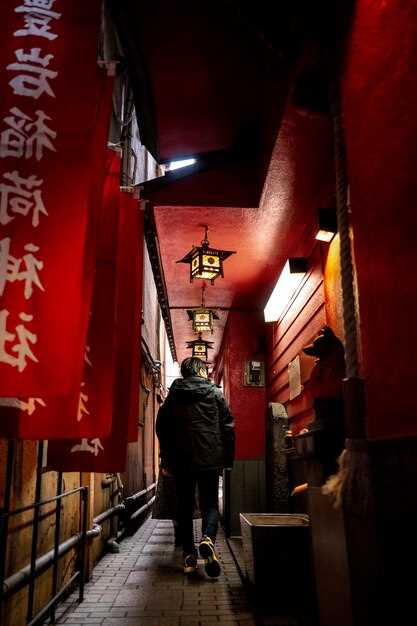
Wear sturdy walking shoes and a breathable base layer; Gion’s lanes demand comfortable soles for hours of walks and reflect decades of guide experience. You’ll notice changes when the air cools, and flexible layering keeps you comfortable. If you’re interested in deeper context, your guide can share concise anecdotes during the route.
Layer with a light, water-resistant jacket or cardigan, plus a compact umbrella for sudden showers. Also, a small scarf adds warmth on breezes along lantern-lit alleys, and quick changes keep you comfortable as you move between venues and izakaya stops. Consistently dressing in adaptable layers helps you stay fresh through the entire walk.
Pack a compact daypack with essentials: water or a beverage, a photo-friendly device, a power bank for late hours, sunscreen for daytime segments, and a light snack. You can join conversations with hosts and geisha experts, soaking up gems of insight gained through years of expertise you’ll remember long after the night ends.
In summer, favor moisture-wicking fabrics and breathable cotton; in autumn and winter, add a warm layer or shawl. For days starting with brunch and ending with a long night of walks, arrange layers that flex as times change. This setup remains practical for quick adjustments and keeps your pace steady.
Carry a discreet, compact bag; it stays comfortable under the wrist and fits luxury settings. The tour’s services often include guidance on camera etiquette and photo moments; also, if rain is forecast, check availability for rain gear with your hotel or guide, so you’re covered without slowing you down.
If you include a daytime arashiyama stroll, keep footwear and layers consistent for comfort across terrains. Young travelers, indulging in late-night strolls, discover how a steady rhythm helps you capture more photo moments and enjoy the evening without fatigue.
Route Highlights: Key Stops and What to Expect at Each Night Sojourn
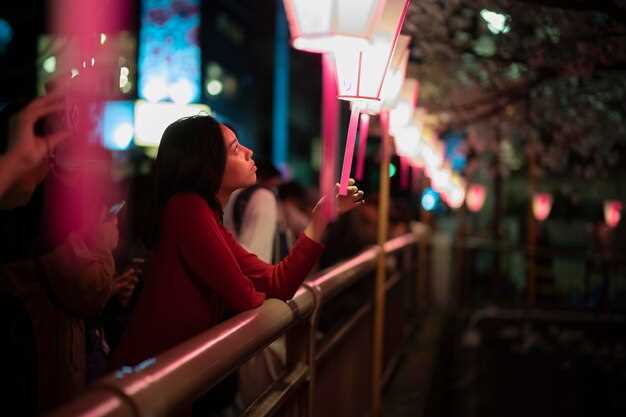
Book a small-group tour with flexible timing to take in every moment, gaining direct insights from local guides guiding you through Japan’s storied quarters.
- Gion Hanamikoji Street at dusk: Historic wooden machiya line the lane as lanterns glow softly. You’ll get a glimpse into the choreography behind geisha appearances, with a clear history narrative from your guide. The setting invites close, front-row observations in a comfortable, intimate atmosphere; wear comfortable shoes and expect a few short stair climbs between facades. Tickets typically include access to key vantage points and a brief peek into teahouse life, with optional drinks at nearby establishments.
- Pontocho Alley and the Kamogawa riverside: A narrow, candlelit corridor runs beside the river, offering a natural backdrop for night photography and quiet conversations. Guides explain how this quarter evolved from market streets to a luxury dining and performance hub, providing context on etiquette and artistry. This stop is ideal for small-group interaction, whether you focus on architecture or human stories; enjoy a curated drink at a boutique bar as you soak in the atmosphere.
- Shirakawa River banks and Maruyama Park edge: Lantern-lit riverside paths introduce a peaceful island of calm amid the bustle. The history of the district unfolds through façades, gates, and lanterns, with your guide sharing anecdotes about historic performances and everyday life. The natural breeze and soft lighting set a reflective mood; comfortable footwear helps on uneven stone surfaces, and you’ll have chances to pause for photos or a quick overview of cultural milestones.
- Back streets near Yasaka Shrine and youth-led arts spaces: Narrow lanes reveal intimate spaces where women storytellers and performers keep long-standing traditions alive. You’ll hear concise histories and context about seasonal festivals, with the guide providing a front-of-house perspective on how performances transition from stage to street in the evening. This stop emphasizes accessible storytelling and compact, quiet corners perfect for a relaxed pace in a small-group setting.
- Final stop: boutique tea or sake lounge: End the night in a refined space offering curated drinks and light bites, reinforcing a sense of luxury without overwhelming crowds. The guide recaps the night’s highlights, linking each stop to broader history and contemporary practice, and you’ll receive optional recommendations for future evening experiences. Whether you prefer a traditional tasting or a modern pour, this closing setting adapts to your preferences with flexible seating and a comfortable atmosphere; keep your ticket handy for any follow-up extensions.
Morning extensions offer a quiet riverfront stroll or shrine visit to deepen the experience, reinforcing the community of guides and guests who value authentic, well-paced storytelling. This route prioritizes certain moments where you can take your time, wear comfortable footwear, and enjoy the blend of historic memory and modern craft that defines Kyoto’s Gion by night.
Photography Guidelines: Capturing Moments Without Disrupting the Experience
Ask for consent before photographing anyone, especially geisha or staff; a brief nod and a friendly greeting earns permission and sets the tone for the night. If someone declines, respect their choice and move on.
Respect the customs of Kyoto’s Gion district by keeping a comfortable distance, stand back during performances, and avoid blocking narrow alleys or doors. Use a soft voice and minimal gestures to blend into the scene; this approach keeps the focus on moments rather than the camera and is overwhelmingly appreciated by locals and visitors alike.
Technical approach: switch to a silent or electronic shutter after-dark, and avoid flash unless explicitly allowed. A fast lens (f/2.8 or wider) helps you grab moments without drawing attention, while an ISO range of 800–3200 and a shutter speed of 1/60–1/125s preserves motion without blur. Shoot in RAW and plan a light post-processing workflow to preserve skin tones and fabric textures; include a prime option (35–50mm) for intimate portraits and a longer lens for street scenes from a distance.
Composition and timing: observe the choreography of the night through the route–gestures, glances, and the way a sleeve catches light. Anticipate moments while hopping between spots, including street corners, tea houses, and quiet courtyards; varieties of light create a richer narrative. If you need to capture a crowd, focus on smaller, meaningful exchanges rather than wide crowds, and be ready to adjust on the fly through changing light.
Interactions and etiquette: friendly, respectful behavior during breaks helps you anticipate moments without interrupting the show. Also, when photographing children, obtain consent from guardians and keep a respectful distance. Coordinate with pickup times and the guide to avoid clogging narrow streets, and avoid rushing guests during transitions.
Accessibility and sharing: the tour includes vegetarian options and accommodating staff; plan with the guide for visiting venues to document a broad arc of scenes which include different spaces. This global mindset includes respecting local customs, avoiding blocking view lines, and staying mindful of times when the street is busiest; visiting at different hours, including morning, can reveal new textures and stories.
Post-production and captions: for public sharing, keep captions honest and non-intrusive; credit contributors when appropriate and respect privacy by blurring or omitting identifiable faces if needed. This approach ensures the moments you capture reflect the adventure rather than sensationalize it, and aligns with the respectful tone of after-dark experiences.