


 עִבְרִית
  English (UK)
  Русский
  বাংলা
বাংলা  العربية
  日本語
日本語  한국어
한국어  Magyar
  Norsk nynorsk
  Türkçe
  Español
  Čeština
  Svenska
  Português
  Ελληνικά
  Suomi
Suomi  Nederlands
  Română
  Italiano
  Français
  Polski
  Українська
  Deutsch
  简体中文
简体中文  Slovenčina
  Српски језик
  اردو
اردو  Azərbaycan dili
  O‘zbekcha
  አማርኛ
አማርኛ 
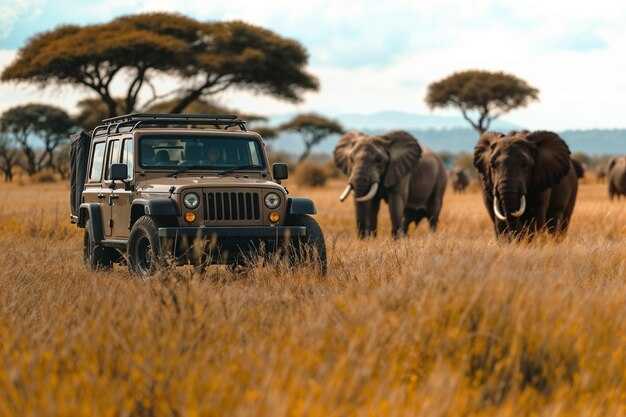
בחרו יעדים לפי עונות השנה וסדרי עדיפויות של חיות בר, ואז בנו את מסלול הטיול שלכם סביב נסיעות מוקדמות. גישה זו שומרת על הצורך שלך בגמישות ניתן לניהול, מכוונת את תכנון הכבישים ומתיישבת עם דפוסי מזג האוויר המגבירים את מספר הצפיות. אם א אריה או דרמטי גנו בדרך כלל תמצא חלון שיא שמתאים לתאריכים שלך, אם התצוגה היא המטרה שלך. השתמש באמינים שאלות נפוצות כדי לאשר את זמני ההיתר ואת זמינות החניה, כדי שלא תפספסו את האור הטוב ביותר.
השוו פארקים לפי מגוון הנופים, סוגי חיות הבר והמרכיבים המעצבים תוכניות יומיות. לכל שמורה קצב שונה: מריכוזים בעונה היבשה ועד נדידות בעונה הירוקה. בהקשר זה, הבקרים מביאים אור חד יותר וטורפים פעילים, בעוד שאחר הצהריים מדגישים לרוב חציות מים או סצינות שוליים מיוערים. חלק מהמחנות מסדרים breakfast על המרפסת כדי להשאיר אותך על הכביש ומוכן למפגש משמח עם להקת אריות או עדרי גנו מתקבצים ליד נהר.
לפני שאתם מזמינים, תכננו את העונות ואת מצבי הכבישים בזמן אמת. בשטחים רבים, כבישים נסגרים במהלך גשמים חזקים, ושערים עשויים להגביל את הגישה לאחר השקיעה. תכננו מסלול גמיש שיכול להשתנות כאשר אזור סגור או כאשר תנועות חיות בר מושכות אתכם למקור מים אחר. בסיס של ארבעה עד שבעה לילות עובד היטב, עם לילה חיץ להסתגלות אם מזג האוויר חוסם מחנה או מרדף הופך למרתק. אם אי אפשר לחזות את מזג האוויר, בנו חיצים.
התאם את התחבורה והלינה לרמת הנוחות שלך ולסוג הספארי שברצונך לחוות. נהיגה מודרכת, ספארי מבוסס לודג', ואפשרויות נהיגה עצמית מציעות כל אחת יתרונות ייחודיים. מדריך מורשה בדרך כלל עוקב אחר בעלי חיים מקרוב, ומסייע לך לזהות גנו עדר ו-א אריה על מישור הצפה תחת צל עץ חופה. לתכנון מעשי, סקור שאלות נפוצות לגבי היתרים, מגבלות רכב וכללי בטיחות, ובחרו תוכנית הכוללת שילוב של סוגים כדי לשמור על הטיול דינמי ו שמח למען הכל.
גישה זו מבטיחה כיסוי של המרכיבים החשובים ביותר: תזמון עונתי, גישה נוחה ותמהיל מאוזן של נוחות והרפתקאות. עם מחשבות אלה בראש, תדעו מתי להזמין, מה לארוז ואיך לקרוא את הסימנים של כל שמורה לנסיעה מוצלחת ובלתי נשכחת.
הגדירו את סוג הספארי ואת המטרות העיקריות שלכם

תכנית סוג הספארי שלך תחילה: סיורי טבע מודרכים עם מנוסים guides או טיולים עצמאיים בהדרכה עצמית. בחירה זו מעצבת כל החלטה במורד הזרם, החל ממקום הלינה ועד לאופן הקצאת הזמן.
What אתה רוצה לראות, בין אם אתה שואף לצלם פעולה דרמטית או סתם להתבונן בחיי היומיום בשמורות, אחרת אתה משוטט ללא מיקוד. התאמת מטרות עם לוגיסטיקה שומרת על המסלול שלך יעיל ועל הימים שלך מתגמלים.
צרו לוח זמנים מעשי התואם את המטרות שלכם: מוקדם בקרים בעזרת אור ארצי, א breakfast תחת עץ השיטה, ואז נסיעות ספארי, מנוחה באמצע היום וחזרה מאוחרת למחנה. reading ההפסקה בין הנסיעות הגיונית אם אתה רוצה לחדד את ההתבוננות, או להרהר על חוויות עם שותף הנסיעה שלך. זה particularly מתגמלת עבור צלמים.
קחו בחשבון מרחק ונגישות: close לעיירה ללוגיסטיקה קלה, או הרחק בשמורות עם פחות קהל כדי להעצים מפגשים. היו מודעים לכך שטורפים עלולים להרוג טרף בעונות מסוימות; הישארו עם מדריכים ושמרו על close מרחק. מעל years במסע, אתה לומד איך אור, מזג אוויר וקצבי החיות משנים את התוכנית שלך.
אפשרויות נפוצות כוללות מסלול שמורה קלאסי עם שפע של חיות בר, או מסלול צפרות ממוקד. בשני המקרים, תכננו כמה ימים ליד נהר או נופים שעוצבו על ידי עצים כדי למקסם את התצפיות ולהרגיש את הדופק של שעות הזריחה בסבך. עץ בודד עם שחר קרוב לוודאי ימסגר את הצילום הטוב הראשון ויעגן את החושים שלכם לבקרים ארציים.
קריאה ו course הערות עוזרות לחדד בחירות: התייעץ guides, קראו מדריכי שדה, ושוחחו עם עצמאי מדריכים להשוואת נקודות מבט. theres לא תסריט נוקשה; הסתגל תוך כדי למידה מכל זריחה ומכל מפגש.
אילו חוויות חיות בר אתם רוצים (טורפים, מגה-פאונה, ציפורים) ובאילו בתי גידול?
התחילו עם תחומי העניין העיקריים שלכם בעולם הטבע: טורפים, מגה-פאונה או ציפורים, ומפו אותם לסוגי בתי גידול שאתם רוצים לחקור. התבוננו בשמורות ובאזורי הדרום בהם המינים שבחרתם פעילים ביותר. שימו לב היטב עם משקפת, תוכלו לזהות נמר על קו העצים ולראות עדר נע לאורך כביש ליד העיר. תכננו את השעות שלכם סביב השחר או הדמדומים כשהאור חם והמיטבי ביותר; זה שומר על הסיכויים גבוהים לראות התנהגות שאתם רוצים תוך כיבוד חיות הבר ושמירה על בטיחות.
עבור טורפים, התמקדו בסוואנות ובאזורי חורש מוארים שבהם עשב גבוה חושף צלליות וטביעות רגל מתקרבות. הפעילות מגיעה לשיאה עם שחר ושוב עם רדת החשכה, כך שנסיעת כביש מודרכת עם מטפלים מומחים מעניקה את הסיכוי הטוב ביותר לראות מארבים, התגנבויות ובריחות מהירות. עבור מגה-פאונה, בחרו בשמורות גדולות עם בתי גידול מגוונים - מישורים פתוחים, עמקי נהרות ויערות מקוטעים - כדי לצפות בפילים, ג'ירפות, תאו וקרנפים ללא קהל. ציפורים זורחות באזורי ביצות, קצוות יער ודלתות נהרות, שם מופיע מגוון מלא של מינים לאורך כל השנה. שמרו על מרחק מכבד, הורידו את הרעש והשתמשו באור כדי להימנע מהבהלת בעלי חיים.
כשאתם עוקבים אחר ציפורים, הביאו משקפת טובה, מדריך שדה ותוכנית גמישה לעקוב אחר הפעולה לאורך גדות נהרות ולגונות. צפו לעופות דורסים, אנפות וצופיות להופיע בשעות שונות; תצפיות על האופק בזריחה מספקות את הצבעים הטובים ביותר שלכם. בבתי גידול עם חורשות מעורבות ומים פתוחים תוכלו לעקוב אחר מגוון רחב של מינים וליהנות מרגעים רגועים יותר בין להקות.
תכננו היטב מראש באמצעות האפליקציה: בחרו כמה שמורות טבע, השוו את הגישה לכבישים והחליטו כמה שעות ביום אתם רוצים לצפות. התחילו בלולאה קלה ליד העיר, ולאחר מכן הרחיבו לשמורה שנייה כדי להשוות כיצד כל בית גידול משנה את חיות הבר שאתם רוצים לראות. יש הבדל בין יום שמוקדש לצפייה בטורפים ליום שמוקדש לצפייה בבעלי חיים גדולים או בציפורים, וזה ישפיע על הטיול שלכם. שמרו על ציפיות ריאליות, ותקבלו את כל מה שרציתם, מהנוף האפריקאי ועד לזיכרונות מתמשכים.
איזה אזור או מדינה תואמים לסדר העדיפויות שלך ולעונת הטיולים?
Go Tanzania if you want the strongest wildlife punch for a pair of travellers who also crave a comfortable finish on zanzibar. Core safaris in the Serengeti and Ngorongoro work best Jun–Oct, when the dry season comes down and animals crowd around the last remaining water. Afterward, spare a few days on the coast to swim, snorkel, or simply relax under a tree. thats the combo many travellers use when travel time is limited but variety matters.
south of the equator, Namibia offers a stark counterpoint for dunes lovers. In Etosha, a thick concentration gathers at waterholes during May–October, and the Sossusvlei dunes deliver dramatic sunrises. The south region stays mostly dry and comfortable for road transfers. For a smooth, low-stress itinerary, rely on parknamibia properties and guides; travelling as a pair or small family keeps comfort high, and protection programs ensure responsible travel. Having a tree-shaded camp at night makes the pause feel natural.
for travellers seeking culture along with wildlife, east africa delivers with maasai experiences. in kenya and northern tanzania, maasai guides host visitors in a respectful, general framework that protects wildlife and communities. depending on the season, Jun–Oct is generally best for wildlife, but those travelling in the shoulder months can still see good action. anything from a long safari to a quick weekend trip is possible, and a culture add-on pairs well with a safari itself.
south africa offers the most comfortable travel with broad wildlife access and strong, well-run logistics. Jun–Sep provides reliable sightings and pleasant daytime temps, with short drives between lodges. add a coastal leg to diversify, and you’ll enjoy a balanced mix of travel, culture, and gentle adventure. mostly, this option suits those wanting a general, easy-to-plan trip with solid protection, and guides who handle safety and language so the traveller in your group stays confident.
Should you choose a guided lodge, a tented camp, or a mobile safari?
Choose a guided lodge for a smart, reliable base. This option gives you quick access to wildlife, comfortable rooms, and seasoned guides, with fewer logistics to manage and something predictable for years of travel, a general guideline for many first-time visitors. In national parks like Etosha, it balances great wildlife viewing with restful evenings, and helps you explore without sacrificing comfort.
If you crave something earthy and intimate, a tented camp delivers magical close-up moments and a strong sense of place, while maintaining solid safety and dependable transfers. Guests sleep under canvas, wake with the sounds of the bush, and still enjoy reliable guides for wildlife viewing and safe bush walks.
For those who want exploring in motion, the mobile safari fits active travelers with long-haul trips, a bucket-list mindset, and a focus on following migration patterns between camps. It offers flexible schedules, close encounters with wildlife, and the chance to sleep under late skies near dunes in desert regions. This setup suits people who want to feel the pulse of the continent and have a truly hands-on trip.
In places like Etosha, a blended plan works best: pair a guided lodge for efficient day safaris with a light tented camp for an overnight close to wildlife. Late-season weather shifts can drive animal activity to waterholes, maximizing sightings for those preferring a calmer pace and having flexibility.
Having a plan helps you pick: want quick, predictable trips with comfortable bedding? Guided lodge. Want deeper sense of place and immersive nights? Tented camp. Want continuous movement, close look at migration and long-haul adventures? Mobile safari. If your goal includes seeing black rhino or other iconic wildlife, choose protected areas like Etosha or the dunes of Namibia, which offer sightings that rank among the world’s best year after year.
What level of comfort, privacy, and service do you require within your budget?
Start with a mid-range lodge in kapama or a similar private reserve to balance comfort, privacy, and cost; you get everything you need: solid beds, reliable service, two daily game drives, and good food without the high splurge.
To refine your choice, compare three budget tiers and what they deliver:
- Budget (roughly 150–250 USD pppn) – comfortable tents or compact lodges with en-suite facilities, shared game-drive vehicles, and inclusive meals. Look for packages that cover two drives per day and a light brunch or breakfast after the morning ride; privacy is mostly reasonable in a small camp.
- Mid-range (roughly 250–450 USD pppn) – reliable private-use vehicle or small-group option, two daily game drives, good food, air conditioning, and a focused itinerary. These camps often offer private decks, a plunge pool, and flexible dining across meals including brunch options.
- Premium/luxury (500+ USD pppn) – private guide and vehicle, bespoke itinerary, exclusive use of a camp or wing, private dining experiences, and top service. You’ll witness heightened wildlife activity, enjoy fine food, and often access spa or wellness facilities after long-haul travel.
When youre looking at the details, check these drivers of value:
- Accommodation quality and privacy: ensure rooms are en-suite, with air conditioning, safe, and good soundproofing.
- Service level: ask if the staff includes a dedicated host and daily housekeeping.
- Itinerary structure: whether you want two drives per day or a more relaxed schedule; ensure there’s time for a slow breakfast and a brunch option if you like.
- Food quality and variety: look for menus that cover local and international options, and note whether meals are served in a dining tent, on a veranda, or under the stars.
- Weather and season impact: dry season tends to be cooler and good for game; wet season has lush scenery but longer drives; check road conditions in certain months.
- Value and focus: avoid camps that push extras; choose options that focus on wildlife, comfort, and privacy in equal measure.
Whether youre chasing a family-friendly setup or a romantic escape, align your plan with your budget by focusing on these essentials:
- Destination and species: plan for wildebeest migrations or plains game; understand the reserve density to manage expectations for sightings. Destination popularity can bring many tourists; private reserves often offer better privacy.
- Road and transfers: ensure road transfers are comfortable; private transport saves time on a long-haul itinerary.
- Application and booking: use a trusted booking application or agent to compare options; review the reserve history and the property’s safety record; confirm cancellation terms and what’s included.
- Witness and experience quality: if you want a good mix of sightings and relaxation, pick a camp with strong social programs and flexible dining; a brunch or coffee service after sunrise drives can boost satisfaction.
It can be smart to start with Kapama as a benchmark destination and then compare with another private reserve or a public park lodge; look for consistency in accommodation and the reliability of guides to maximize your time on the road. This approach helps you plan an itinerary that suits your weather window, long-haul travel considerations, and the level of privacy you demand.
Accommodation matters most when you judge value: choose a place that delivers consistent comfort, privacy, and service aligned with what you can afford.
What is your ideal trip length and pace?
Start with a 9–12 day itinerary featuring 4–5 hours of morning activity, a midday rest, and one shorter afternoon session. This plan is about balancing incredible wildlife viewing with rest, preserving health, and keeping long-haul travel days manageable.
An incredible mix of habitats–from thick brush along riverbanks to wetlands–lets you see a broad species list and stay engaged without fatigue. If you want a core okavango experience, pair it with a second region to compare differences between environments; theres a tangible difference in pacing and sightings will emerge.
Smart pacing will ensure those big moments don’t get rushed. Build in a rest buffer and keep drives to 3–5 hours so you stay alert for close encounters and energy stays high. If you’re considering gorilla trekking, allocate extra days and budget for permits; this option is best when you minimize other long drives and focus on a single region at a time. Those choices will back your energy and mood, helping you balance experience and recovery, so you return with a clear, incredible impression.
Pack breathable clothing for early mornings and evenings, plus a lightweight layer for crisp mornings; keep a small stash of cookies for a quick energy boost between drives. Hydration matters; aim for 2–3 liters per day. Build a short list of priority species you want to spot–elephants, lions, and several bird species–to guide your route and guides. This focus helps you maximize results in those days, and theres a difference between rushing and savoring; this pace keeps you engaged from dawn to dusk.
| Trip length (days) | קצב מומלץ | הערות |
|---|---|---|
| 7–9 | 3–4 hours driving per day; 1 rest day every 3–4 days | Balanced for okavango itineraries; fewer moves, more time with wildlife |
| 9–12 | 4–5 hours driving per day; 1–2 lighter days | Best for two regions; supports a broader species list |
| 12–14 | 5–6 hours driving per day; 1 extra travel day | For dedicated travelers seeking depth; plan for energy boosts and breaks |