


 עִבְרִית
  English (UK)
  Русский
  বাংলা
বাংলা  العربية
  日本語
日本語  한국어
한국어  Magyar
  Norsk nynorsk
  Türkçe
  Español
  Čeština
  Svenska
  Português
  Ελληνικά
  Suomi
Suomi  Nederlands
  Română
  Italiano
  Français
  Polski
  Українська
  Deutsch
  简体中文
简体中文  Slovenčina
  Српски језик
  اردو
اردو  Azərbaycan dili
  O‘zbekcha
  አማርኛ
አማርኛ 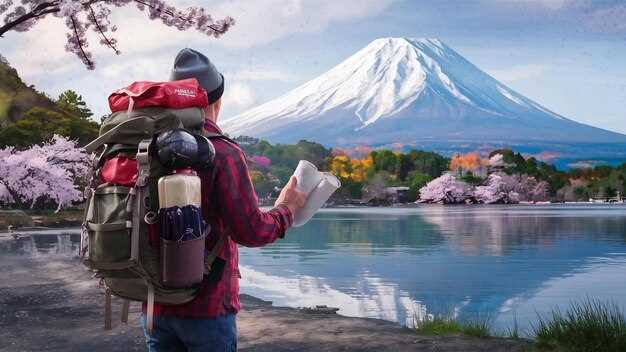 טיול יומי מפוג'יושידה מטוקיו – מסלול יום אחד להר פוג'י">

Book this Fujiyoshida Day Trip from Tokyo for a focused, one-day Mount Fuji experience with diverse activities and smooth transitions between stops.
Most travelers ride JR to Otsuki and switch to the Fujikyu Railway to Kawaguchiko Station, a total time of about two hours.
From Kawaguchiko, enjoy a lakeside walk and a couple of short rides on the local ropeway to elevated viewpoints, capturing real Fuji scenery.
In winter, the air is crisp and visibility is often excellent, so plan extra time for photo stops and wear warm layers for the open-air sections.
Lunch options include local soba and curry with lake views; for dinner, choose a riverside restaurant or a cafe with Mount Fuji silhouettes. If you need a quick fix, lawson stores are handy along the route for drinks and snacks.
Time-wise, count about 6 to 8 hours on the Kawaguchiko loop, allowing a relaxed pace that starts in the morning and returns to Tokyo in the evening.
driving gives flexibility to linger at favorite viewpoints, skip waiting times, and make spontaneous stops, but check parking near Kawaguchiko and plan for potential winter road conditions.
For a broader Tokyo area plan, you can pair kamakura as a separate day, or arrange a longer itinerary that starts in Tokyo and ends with Fuji views on another trip.
Ready to go? Reserve this day trip and also enjoy a compact, practical itinerary designed for comfort, family, or friends, with clear directions and dependable transit options.
Practical plan for a seamless day trip from Tokyo to Mount Fuji and Kawagoe
Purchase a timed plan that covers Kawagoe and Mount Fuji in one day to keep everything seamless and efficient.
- Begin in Tokyo and reach Kawagoe early. From Shinjuku or Ikebukuro, take a fast train and arrive in about 40–50 minutes. Stroll Kurazukuri Street, where the front of brick warehouses frames an Edo-era vibe. Areas along the canal are photogenic, and you’ll find cozy restaurants and shops selling sweets and snacks.
- After about 90 minutes in Kawagoe, head back toward Tokyo and transfer to the route toward Mount Fuji. A typical path runs via Shinjuku to Otsuki (60–70 minutes) and then Fujikyu Railway to Kawaguchiko (40–50 minutes). The timetable keeps transfers smooth and minimizes waiting.
- Arrive Kawaguchiko around midday. For lunch, seek thick noodles or hoto at a lakeside restaurant with Mt. Fuji views. These spots offer amazing value and a clear, satisfying change of pace from city meals.
- Visit the Arakura Sengen Shrine viewpoint for a standout shot of arakura and the iconic mountain backdrop. The front approach provides a straightforward frame for photos, especially during blossoms season.
- Explore Kawaguchiko’s other areas around the lake. If you want a quick refresh, dip into an onsen nearby for a short soak; it strengthens the feeling of relaxation and helps you enjoy the rest of the day.
- Return to Tokyo in the late afternoon. From Kawaguchiko, ride to Otsuki, then transfer to the JR line toward Shinjuku. A typical loop fits into a single day, leaving time to reflect here or at a hotel nearby if you prefer a longer pause before the evening.
טיפים מעשיים
- Timetable: pre-check train times online and aim for earlier departures to maximize daylight and avoid crowds.
- Purchase: consider a one-day rail option or a reusable IC card to streamline segments and save money.
- Money: carry cash for small shops and onsen fees; most major spots accept cards, but cash is handy in smaller eateries.
- Noodle and hoto: look for restaurants near Kawaguchiko with thick noodles and hearty portions for a satisfying lunch.
- Restaurants: prefer places with quick service and clear menus to keep the plan smooth in areas with crowds.
- Photos: arrive early at arakura viewpoint and lakeside spots for clearer lines and fewer people in frames.
- Onsen: a brief soak near the lake helps you recharge before the ride back into Tokyo’s buzz.
- Front and transit: use the front of stations to orient yourself quickly and locate the correct platforms without delay.
- Iconic sights: the Mt. Fuji panorama over Kawaguchiko remains an amazing highlight, with several spots offering direct views from the water.
- Arakura and kanji: arakura is a simple, memorable stop that blends with the day’s colors and adds a calm moment to your plan.
- Hotel option: if energy runs low, consider a nearby hotel for a brief rest, then resume exploring the next morning–here’s a comfortable way to extend the trip without rush.
- Chain restaurants: a few reliable chains around Kawaguchiko provide predictable service and quick meals if you’re pressed for time.
- Elements to enjoy: you’ve got amazing views, photos, and the feeling of a well-coordinated plan that respects time and pace.
- What to have: a compact bag, camera, water, and a ready timetable help you stay on track and avoid missing trains.
- What you purchase: tickets, snacks, and a light onsen fee–keep receipts handy for easy budgeting during the day.
- Arakura, kodama, arakura: if you hear the word kodama in rail chatter, it signals a smoother express option on certain routes; ask staff for the fastest leg to Kawaguchiko to keep the plan efficient.
Fastest routes from Tokyo to Kawaguchiko Station: trains, buses, and transfer tips
Take the JR Chuo Line Rapid from Tokyo to Otsuki, then transfer to the Fujikyu Railway to Kawaguchiko. This is the best option for speed, with around 1h50m total travel from Tokyo Station, away from city traffic.
A direct highway bus from Shinjuku to Kawaguchiko Station can offer another fast path, typically 2–2.5 hours with no transfer. Reserve seats in advance for peace of mind; this option provides direct access to the fujikawaguchiko area.
At Otsuki, use a single ticket or Suica/PASMO to switch to the Fujikyu line; multiple trains run every 15–20 minutes, making the handoff smooth. Regarding transfers, Otsuki connects both lines smoothly. The Fujikyu ride to Kawaguchiko is directly accessible, and once there you can walk to the lake, shrines, and nearby instagram-famous spot.
Personally, I prefer this route for speed and reliability; early departures help you reach Kawaguchiko before crowds. If you stayed in Tokyo overnight, plan an early start. Afterwards, prepare to explore around the fujikawaguchiko area–the lake and mountain views are breathtaking, with blossoms in season. A fact: this route minimizes time on the road. Access to multiple instagram opportunities exists, including the best spot near the station. Note that kodama or other JR long-distance options wont beat this setup for Kawaguchiko, since they require extra transfers and time.
Fuji viewing order and must-see spots for a tight 1-day itinerary
Kick off at Kawaguchiko for the iconic Fuji view across Lake Kawaguchi, that mirror-like water and the peak rising behind. Take a train from Tokyo to Otsuki, then switch to the Fujikyu line to Kawaguchiko Station; the full ride takes roughly 2 hours. Located in Yamanashi prefecture, the morning air stays peaceful and wide-angle shots stay easy throughout the hours you have.
From Kawaguchiko, ride the Kachi Kachi Ropeway or stroll the north shore to catch reflections and the instagram-famous angles, especially when the sun climbs. This full loop lets you secure a strong first batch of photos and still leaves time for the next stop.
Next, head to Arakura Sengen Park to see Chureito Pagoda, a scene that mixes Fuji with a pagoda framed by blossoms or snow depending on the season. It’s also a favorite for many couple photos, and the vantage point is called one of the classic Fuji shots by locals.
Afterwards, transfer to Hakone for a peaceful Lake Ashi cruise; the view of Fuji across the water stays captivating and the shoreline paths offer a calm contrast to the city. If you have energy, add a short ropeway ride to Owakudani for volcanic scenery, then return to Tokyo via Odawara on the JR line–the last leg takes around 1.5–2 hours depending on transfers. Taking this route gives you a compact, unique loop that blends blossoms, lake views, and mountain panoramas.
| עצור | הזמנה | Highlight | הערות |
|---|---|---|---|
| Kawaguchiko Station / North Shore | 1 | Iconic Fuji reflection over Lake Kawaguchi; optional Kachi Kachi Ropeway | Train from Tokyo to Otsuki, transfer to Fujikyu; ~2 hours total |
| פארק אראקורה סנגן - פגודת צ'ורייטו | 2 | פוג'י ממוסגר עם פגודה; פריחה או שלג בהתאם לעונה | אוטובוס או מונית מקוואגוצ'יקו? |
| אגם אשי, האקונה | 3 | שייט שליו; נוף פוג'י על פני המים | העברה להאקונה; לשקול רכבל לאוואקודאני |
| טוקיו חזרה (אודווארה/האקונה-יומוטו) | 4 | מסילה יעילה חזרה לטוקיו | רכבת דרך אודווארה לטוקיו; ~1.5–2 שעות |
מעקף לקוואגואה: תזמון, נקודות עיקריות ואיך לשלב אותו
לעקוף את קאוואגואה למשך שעתיים וחצי לאחר טוקיו: להגיע לקאוואגואה בסביבות 8:40, לצעוד דרך רחוב קוראזוקורי ואזור קיטה-אין, ואז לסיים בסביבות 11:00 כדי לנסוע לכיוון פוג'יושידה.
בין נקודות השיא נמנים רחוב קוראזוקורי (Kurazukuri) עם מחסני החימר האייקוניים שלו, מגדל הפעמונים טוקי נו קאנה (Toki no Kane) שמסמן את העיר העתיקה ומקדש קיטה-אין (Kita-in) שבו סיפורי מינאמוטו (Minamoto) מוסיפים צבע היסטורי לטיול גן שליו. מקדש קאוואגואה היקאווה (Kawagoe Hikawa) מציע מעקף מקדש קומפקטי עם אווירה רגועה, ותוכלו לפנק את עצמכם בוואגאשי (wagashi) מתוק מחנות מסורתית מאחורי הרחוב הראשי להפסקה קצרה.
טיפים לזמנים: השתמשו ב-JR Pass או בכרטיס לאזור טוקיו כדי לחסוך כסף, והזמינו מקומות ישיבה ברכבות עמוסות במידת האפשר. מטוקיו תוכלו להגיע לקאוואגואה תוך כ-40 דקות באמצעות קווי Tobu או JR מהירים. מקאוואגואה לפוג'יושידה, סעו דרך שינג'וקו וקחו את אקספרס פוג'י לכיוון קוואגוצ'יקו, ואז נסיעה מקומית קצרה לפוג'יושידה. סך זמן הנסיעה הוא בערך 4–5 שעות, מה שמשאיר מספיק שעות אחר הצהריים לארוחת צהריים, עצירות צילום ותצפית על האגם לפני שתמשיכו אל המסלול שלכם בהר פוג'י. אם יש לכם דקות נוספות, טיפוס קצר במעלה צורוגאוקה מאחורי המקדשים מספק תצפית פנורמית על העיר.
תכנון זריז ויעיל: תכננו בוקר שלם בעיר קוואגואה, ואז מעבר ישיר לאזור פוג'י להגעה אחר הצהריים. כך לא תצטרכו למהר לתפוס מקומות או לפספס רגעים איקוניים לצילום, ועדיין יהיה לכם זמן לשתות משהו במסעדה ליד האגם ולשתף כמה תמונות באינסטגרם.
טיפים לתמונות מוכנות: צלמו באור אחר הצהריים לאורך הרחוב הישן, ואז עברו לתצפית פנורמית של אמצע היום ליד אזור האגם סביב קוואגוצ'יקו כשאתם חוצים חזרה לכיוון פוג'יושידה. הרצף מציע מספיק גיוון עבור סצנות רחוב בסגנון יפני וצילום נסיעות מודרני, עם ניגוד מתוק בין מחסנים מסורתיים ובתי קפה עכשוויים ליד המקדשים.
כרטיסים, כרטיסיות ואפשרויות ארוחה החוסכים זמן ותקציב
רכשו כרטיס משולב לנסיעה ברכבת בקו טוקיו-הר פוג'י, המשלב קווי JR לאוטסוקי עם רכבת פוג'יקיו לקוואגוצ'יקו. כך תצמצמו את ההעברות, תאיצו את היום ותחסכו בעלויות לעומת רכישת כרטיסים נפרדים לכל מקטע.
מסלול אופטימלי וכרטיסים: סעו מטוקיו לאוצוקי באמצעות JR, ואז עברו לפוג'יקיו לקוואגוצ'יקו. מקוואגוצ'יקו, אוטובוסים מקומיים מגיעים לאזור חמשת אגמי פוג'י. אם אתם במחוז קאנאגאווה או בקרבתו, מערך זה נשאר יעיל לחיבור מהיר הלוך ושוב. אפשרות הלוך ושוב המשלבת JR ופוג'יקיו יכולה לעלות בסביבות 4,000–6,000 ין לאדם, תלוי בהזמנת מושבים ובתזמון. חפשו כרטיס יומי של פוג'יקיו אם הוא זמין לתאריך שלכם, מכיוון שהוא עשוי לכסות מספר רכבות ואוטובוסים מקומיים הלוך ושוב, ולחסוך לכם זמן וכסף במהלך היום.
לפני היציאה, תפסו מנת נודלס זריזה במסעדה סמוכה לפני שאתם יוצאים לדרך; מקומות קלילים סביב קוואגוצ'יקו ושינג'וקו מציעים ארוחות קומפלט בפחות מ-1,000–1,200 ין יפני. כשאתם מזמינים, בחרו באפשרות פשוטה (נודלס, אורז, מרק) כדי לשמור על אנרגיה להמשך היום. אם אתם רוצים מגע תרבותי, חפשו סובה או אודון בעיירות שעל שפת האגם, והחזיקו כמה חטיפים בתיק כדי להימנע מתורים ארוכים בשעות השיא של ארוחת הצהריים.
תנאי החורף דורשים תכנון: שלג עלול להאט אוטובוסים ולטשטש נקודות תצפית, לכן צאו מוקדם ובדקו את תחזית הבוקר. האזור מציע תמונות נהדרות עם הר פוג'י על רקע חורפי, אז לבשו שכבות חמות ועמידות למים ונעליים חזקות. כמה דוכנים ומשאית אוכל ליד מקומות סואנים מציעים אפשרויות חמות להתחמם, כולל אטריות חריפות וקארי. ישנן מסעדות אמינות עם נוף ליד תחנת קוואגוצ'יקו, המאפשרות לכם להזמין ארוחה דשנה מבלי לעכב את חזרתכם.
אם אתם מכוונים למקסם את הזמן, אשרו לוחות זמנים בלילה שלפני, הזמינו מקומות ישיבה אם אפשר, וקחו איתכם מפה קומפקטית וכמה משאבים ליום. המיקום קל להתמצאות עם מסלול ברור מטוקיו, ולא תמצאו רכבות ארוכות הכרחיות אם תעברו לקו פוג'יקיו באוצוקי. בחזרה, תוכלו לחזור דרך אותו מסלול ולהיות מוכנים לשינקנסן בשעה מאוחרת בערב או לקווים מקומיים בהתאם לתוכניות שלכם.
רשימת אריזה, הערות נגישות ותזכורות בטיחות ליום בפוג'י
ארזו תיק יום קומפקטי עם מעיל גשם, שכבה חמה ונעליים חזקות לפני עלות השחר, ואז בחרו שתי אפשרויות ליום פוג'י שלכם: עלייה ישירה מהתחנה החמישית או הליכה של חצי יום מקוואגוצ'יקו המציעה נופים עוצרי נשימה, ציוריים ואיקוניים. מסלול זה שומר על דברים יעילים ובטוחים, עם צעדים ברורים למעבר והפסקות.
דברים חיוניים שכדאי לקחת: בקבוק מים (1–2 ליטר), טבליות אלקטרוליטים, חטיפים בכלי קטן, הגנה מפני השמש (כובע, משקפי שמש, קרם הגנה SPF 30+), שכבות בסיס מנדפות לחות, כפפות, מעיל גשם קל משקל וערכת עזרה ראשונה קומפקטית עם רפידות לשלפוחיות. הביאו מפה או GPS לא מקוון וסוללת גיבוי; למסלול חד כיווני, ארזו פנס ראש קומפקטי ומשרוקית. פרטי ביטוח והעתק של תעודת הזהות שלכם נשארים בנרתיק אטום למים, ואחסנו מספרי טלפון של שותף הנסיעה או המארח בכיס ייעודי. אם אתם משתמשים בתחבורה שאורגנה על ידי fujikyu, הכינו את הכרטיס שלכם, ועיינו בלוח הזמנים של fujikyu לצפייה בזמני הגישה.
הערות נגישות: אזור קוואגוצ'יקו מספק מספר שבילים נגישים לאורך החלקים הנמוכים, עם מדרגות במספר נקודות תצפית. הגישה למתקנים ולשירותים בדרך כלל פשוטה, וממוקמת בסמוך לתחנות מרכזיות, אך חלקי שביל גבוהים יותר הופכים לבלתי אחידים וחלקלקים כאשר הם רטובים. אם אתם מטיילים עם מכשיר ניידות, שאלו את צוות אזור פוג'יקיו לגבי המסלולים הנתמכים הטובים ביותר ואפשרויות המעלית הזמינות. שם הם יכולים להציע שבילים בטוחים יותר ואזורי מנוחה סמוכים.
תזכורות בטיחות: במזג אוויר רגוע, אור השחר יוצר התחלה שלווה ואיקונית. בדקו תחזית ומזג אוויר לפני שאתם מתחילים; הטמפרטורות יורדות במהירות, אז הביאו שכבה אטומה לרוח. התחילו מוקדם כדי לתפוס את אוויר השחר השלו ולהימנע מהמונים. נעלו הנעלה מוכנה לאחיזה והישארו על השבילים המסומנים; אל תדרכו על חצץ רופף או תקצרו שיפועים תלולים. קחו הפסקות קבועות, שמרו על שתייה ואכלו תזונה קטנה ויציבה של חטיפים. אם אתם מרגישים סחרחורת או קוצר נשימה, רדו לנקודה נמוכה יותר ותנוחו. שתפו תוכנית עם השותף או המדריך שלכם, ושמרו על פרטי הביטוח זמינים למקרה של פציעות קלות; צוות פוג'י ועובדי התחנה נמצאים שם כדי לעזור.