


 עִבְרִית
  English (UK)
  Русский
  বাংলা
বাংলা  العربية
  日本語
日本語  한국어
한국어  Magyar
  Norsk nynorsk
  Türkçe
  Español
  Čeština
  Svenska
  Português
  Ελληνικά
  Suomi
Suomi  Nederlands
  Română
  Italiano
  Français
  Polski
  Українська
  Deutsch
  简体中文
简体中文  Slovenčina
  Српски језик
  اردو
اردو  Azərbaycan dili
  O‘zbekcha
  አማርኛ
አማርኛ 
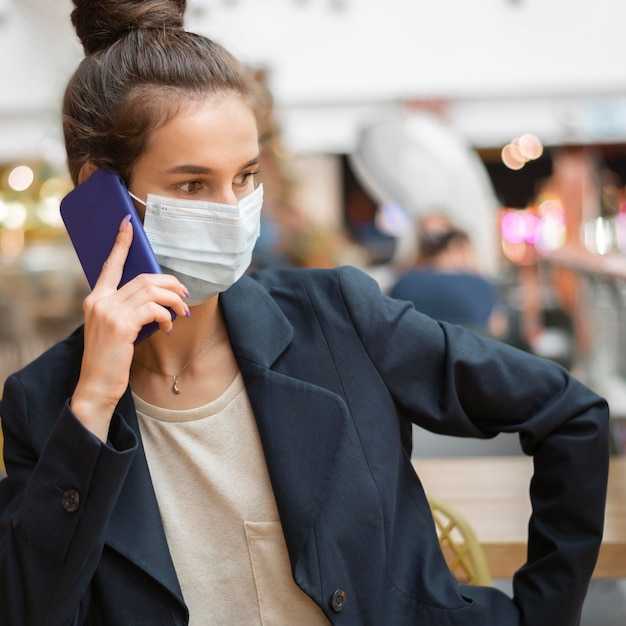
Always wear a mask in indoor public spaces on a cruise, and carry a spare in your day bag. This simple rule reduces exposure risk and keeps your month-long plans on track. For the best chance of a smooth sailing, use a mask that fits well and is easy to breathe through, and wear it in theaters, casinos, gyms, and during embarkation or disembarkation. Starting with this habit helps you stay well and minimize disruptions across a typical week at sea.
When and where to wear masks depends on policy and circumstance. On a ship, you’ll mask in enclosed venues like theaters, fitness centers, and corridors; outdoors on deck you may remove masks when distance is kept, but some lines require masks in crowded lifts and queues. If you stay in hotels before or after the cruise, keep a mask handy for lobby lines, airport transfers, and shuttle rides. For foreign itineraries, mask expectations can differ by country, so check port rules in advance. For unvaccinated travelers, rules may be stricter or require testing; plan accordingly, and note that policies can be impacted by local authorities. The plan you follow and the assigned zones you navigate can also shift, which means whats required may change, and thats why a quick check before boarding helps. This policy can be impacted by local authorities.
What counts as a mask includes N95, KN95, KF94 respirators, surgical masks, and multi-layer cloth masks that seal around the nose and mouth. A thin scarf or neck gaiter often fails to meet the standard. Do not rely on a face shield alone. For the best protection, choose a mask with a well fit and משופרת filtration, and replace it when it becomes damp or dirty.
The policy details vary by cruise line, and the methodology behind masking guides you on what to expect. Read the official policy for whats required, not third-party summaries. Some lines publish a rating of risk and tie masking to outbreaks, while others keep updates on a dedicated page. If you travel worldwide, confirm that your plan aligns with each port’s rules; unvaccinated travelers and foreign guests sometimes face different checks. Insurance coverage can affect costs if you fall ill or need quarantine, so verify insurance terms before you sail. The approach may be משופרת in destinations with higher risk, so know what applies to your sailing and what could trigger a mask requirement, thats why staying informed matters.
Practical steps to stay prepared: pack two to three masks per person, plus one in each bag; choose a mask that fits well and stays in place when you move to assigned seating or move through crowds. For cravings for comfort, pick masks with soft inner lining and breathable fabric for long wear. Keep a small sealable pouch in your bag for clean masks and another for used ones, and replace masks on a schedule, not just when they look dirty. Before you sail, confirm the policy two weeks ahead and again the day before embarkation, so you are ready for any change. If you follow these steps, your cruise has less friction and your enjoyment can rise higher than expected.
Carnival Mask Policy on Board: When, Where, and What Qualifies as a Mask
Carry a mask and keep a spare in your assigned cabin for shore visits. Carnival masks are generally optional onboard, but wear one in high-occupancy indoor spaces or when local health protocols require it.
When to wear: in crowded theaters, casinos, indoor bars, shops, gyms between sessions, spa waiting areas, and lines at ports where guidelines call for masking.
Where: on board in theaters, casinos, nightclubs, shops, dining venues when not actively eating, fitness centers, and crowded corridors; during shore excursions, follow local authorities’ masking rules.
What qualifies as a mask: any covering that fully covers nose and mouth with a snug fit qualifies. Acceptable options include disposable surgical masks, N95/KN95, and well-made multilayer cloth masks. Face coverings with exhalation valves are discouraged in health protocols, and gaiters or scarves that do not seal the face may not count.
Practical tips: pack a few masks per person; check the ship’s daily call or updates; use מָקוֹר for the latest guidance. Carnival updates appear on amextravelcom and other official sources; policy tweaks are common in the קיץ months around port visits.
Care and planning: if you fall ill, stay in your cabin and notify crew; the line may offer credits or alternative arrangements during shore days, depending on the הזמנה details and the current health protocols.
Do You Need a Mask on Carnival Cruise Line? Who Must Wear and In What Situations
Yes. Wear a mask in enclosed indoor spaces on Carnival ships, and keep one handy during disembarkation in ports with elevated transmission risk.
Masks are provided in guest areas, and crew will replace worn masks at your request. Each transaction is processed through the ship’s app or onboard kiosks, and you can pay using your wallet for mask-related credits or wellness offers.
This policy does not rely on fico scores; it bases decisions on health guidance and environmental factors.
Who must wear: Passengers and crew in indoor public spaces when a mask policy is active; those assigned to guest-contact roles; and travelers with medical considerations should follow guest services guidance. Those alone in cabins may remove masks only inside the cabin, but must wear masks when leaving the cabin for shared spaces.
Situations and locations: Theaters, show lounges, casinos, dining rooms while not actively eating, gyms, spa facilities, and lines near embarkation and shore excursions require masks when the policy is in effect. Outdoor decks under good ventilation typically do not require masks, though crowds or poor ventilation can trigger use. Ventilation improvements and staff training support this practice.
This approach considers locations across ships and ports, and it supports shore-side safety as well as onboard safety. Stock is reviewed annually and inventory checks occur semi-annually to ensure supply. Those considering a mask on a given voyage should remember that welcome desks and partner venues, including Goldbelly partnerships, may offer offers and related credits through the program. Passengers earning points or credits can redeem them through the wallet and participate in these offers.
| מצב | Mask Rule | הערות |
|---|---|---|
| Indoor public spaces | Mask required when policy is active | Ventilation matters; crew can assist |
| יְרִידָה לַחוֹף | Mask recommended in high-risk ports | Follow local port rules |
| Outdoor decks | No mask in well-ventilated outdoor areas | Keep handy for crowded queues |
When Masks Are Required or Recommended: Health Alerts, Outbreaks, and Port Rules
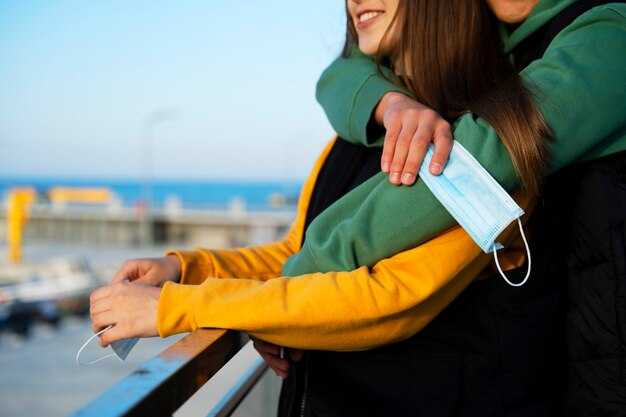
Wear an exact mask indoors whenever a health alert is active or a port enforces restrictions; keep a spare in your bag and follow the latest statement from Cunard, Celebrity, or your chosen line.
These measures apply to cruising this season and help you stay on schedule. Before you travel, review line guidelines, port alerts, and test requirements to avoid delays and unnecessary changes.
- Before you sail: check the latest guidelines published by Cunard, Celebrity, and other lines; review port restrictions for your itinerary; ensure your mask meets the exact criteria used on board (multi‑layer, well-fitted). If you test before boarding, follow the line’s policy and add the result to your travel plan; this reduces disruption.
- Onboard and ashore: masks are required in enclosed spaces during elevated alerts; otherwise they are recommended in indoor spaces with limited ventilation. In restaurants you may remove the mask while seated, but reapply when moving or lining up. Use these protocols during evacuation drills and crowded queues to minimize risk.
- Port-level actions: some destinations implement restrictions that require masks in terminals, transit hubs, and museums; scores of risk indicators can shift quickly, so monitor port authority notices and the cruise line’s statement. If a port calls for masking, comply to keep your day on track.
- Practical planning: carry masks that fit well and provide multiple layers; bring a small resealable bag for used masks. For dining, use resy or the line’s reservations system to lock in times that fit masking rules; check offers for flexible dining during high‑alert days; have a backup plan if a venue enforces stricter rules.
- Special notes for loyalty and connections: some bookings reference rewards or profile details (including fico) in the portal; these do not affect masking rules but can influence dining or excursion options. Stay aware of airline time windows if you are transferring between airports, and review the statement from your cruise line for any test or verification steps.
What counts as a mask: a snug, multi‑layer face covering that fully covers nose and mouth with secure ear loops or ties. Avoid gaiters and scarves as primary masks for onboard and port spaces during alerts.
- Mask types to bring: N95/KN95 or good surgical masks, plus a few fabric backups you can wear for shorter periods.
- Packing tips: label a small bag for used masks; replace masks daily or after heavy use.
- Health actions: if you feel unwell or test positive, follow the ship’s evacuation or isolation instructions and inform guest services immediately.
In summary, stay aligned with the latest guidelines from your line and the ports you visit. This approach keeps cruising with confidence, supports smooth embarkation and disembarkation, and respects time, test requirements, and any restrictions that arise during the voyage.
Where to Wear Masks on the Ship: Theaters, Restaurants, Gyms, Decks, Cabins, and Transit

Always wear a coverings in enclosed indoor spaces on the ship and keep a spare in your pocket for transitions between venues. There are days when you will wear masks for longer stretches, especially during port calls and busy corridors.
Theaters: Enter and sit with coverings on; keep them on through the performance unless you are actively eating or drinking. Seats are packed and air can be recycled, so a high-filtration mask is prudent. If the line shares testing or updated guidance, follow it directly and head outside for a break during long intermissions when possible.
Restaurants: Wear coverings while queuing, entering, and moving between stations; at the table you may remove it briefly for bites, then resume when you can. Open seating or well-ventilated dining is preferable; if indoors, sit away from the busiest aisles. Editors note that such routines vary by ship, but deals and official updates will be available through the line’s app or desk, with some menus offered via goldbelly partners.
Gyms: The space is high-risk due to heavy breathing. Keep coverings on while moving between machines and during cooldowns, and replace damp masks promptly. Bring a spare and plan for testing results or health updates; medical guidance and insurance options can help you decide whether to mask during workouts on longer trips.
Decks and transit: Outdoor decks offer better air flow, so masks are less often required there. In queues, elevators, and crowded walkways, wear coverings; during rides to port or on enclosed transit points, keep them on. Through ventilation and open air, you can balance comfort and protection during sea days and port calls alike.
Cabins and transitions: In compact cabins, keep coverings handy for shared spaces or when a traveler feels unwell. If someone is ill, wear coverings during common times and use the evacuation plan if crew directs you. Port calls, first-aid checks, and rest periods will be smoother if you prepare in advance, and policies from celebrity and royal partners often align with standard safety steps. Even in gold tier cabins, masking norms remain–it helps if you review medical resources, review insurance options, and bookmark a recommended plan before you sail.
What Counts as a Mask: Acceptable Types, Fit Guidelines, and Hygiene Standards
Wear an N95/KN95 respirator or a three-layer surgical mask with a snug seal for most indoor cruise spaces, and keep a spare mask in your wallet for embarkation checks and quick changes. Welcome aboard–being prepared reduces stress at the gate and helps you enjoy more of the on-board experience.
Whats counts as a mask are determined by filtration efficiency and a secure fit; the fabric alone does not guarantee protection. The mask must cover the nose and mouth without gaps and stay comfortable during long rides between venues.
- N95 or KN95 respirators (disposable) with a tight seal across the nose and cheeks; filtration remains high when the straps hold firmly.
- Surgical masks with at least three layers (outer moisture barrier, middle filter, inner comfort layer); ensure secure ear loops or ties for a stable fit.
- Multi-layer cloth masks (3+ layers) with a removable filter pocket; fit should be close to the face and masks should be washed regularly.
- Masks with replaceable filters or non-valved respirators; avoid exhalation valves in crowded spaces to protect crew and other passengers.
Fit guidelines
- Position the mask to fully cover nose, mouth, and chin; use the nose bridge (if present) to seal the top edge.
- Secure loops or ties so the mask sits snugly; avoid gaps at the sides.
- Do a quick fit test by exhaling; if air leaks, adjust the nose piece or try a different size.
- With respirators, follow the manufacturer’s instructions for donning; avoid touching the front of the mask while wearing it.
- Glasses? Add a small adjustment to reduce fogging and ensure comfort during long lines at embarkation or in transit to the ship.
Hygiene standards
- Reuse only if dry, intact, and clean; replace damp or soiled masks immediately.
- Reusable cloth masks require daily washing at hot water with detergent; dry completely before reuse.
- Store clean masks in a dedicated bag or container; keep used masks separate from valuables in a packed bag or travel organizer.
- Carry a few masks in your travel wallet for quick access during embarkation and crowded areas; check local policies on disembarkation as well.
- Dispose of disposable masks in sealed bags and follow local regulations at foreign ports; quarantine worn masks until proper disposal where required.
- Review your insurance or travel insurance coverage for PPE replacements if needed; insurance may offer a benefit in some plans.
Practical tips and resources
- Editorial notes from amextravelcom and other travel editors offer tips on what to buy, how to save on deals, and how to maximize points from cards when you order masks or related gear.
- Plan ahead by ordering a backup product; this can yield a benefit and reduce last-minute stress at embarkation.
- Pack extra masks in a container or a small bag; a spare in a wallet-sized pouch is convenient when you move through crowds or wait in lines.
- Royal cruise lines may have updated policies; verify what counts as acceptable PPE for your specific ship.
- Does your itinerary include foreign ports? Pack a mask you can use consistently and carry a certificate or insurance card if required.
- Goldbelly and similar services can add snacks to long days, but keep masks handy in the same bag so you stay compliant without missing moments.
- Most travelers benefit from having two or three masks ready for a multi-day voyage; rotate to maintain filtration quality.
- In case of an emergency or policy change, your mask keeps you safe while you move between rides, venues, and the ship.
- What makes a mask count is its filtration efficiency and fit – not just the fabric; always prioritize coverage and seal.
Practical Masking Tips for Guests: Packing, Maintenance, Kids, and Medical Considerations
Pack more than you expect: for a 7-day cruise, bring at least 10 masks per adult and 6 per child, plus 2 spare caps for a snug fit and full day-long protection. Each person should have a dedicated bag in the suitcase to prevent cross-contamination and to ease daily changes in venues and weather; such preparation makes the journey calmer from the start.
Use a line-by-line packing checklist and label each bag with the passenger’s name. Keep masks in resealable bags, and carry a separate emergency set in your day bag so you stay ready for long lines, port calls, and air transit. These steps streamline travel and cut last-minute scrambles.
Maintenance: Cloth masks require washing after each use; rotate them so you are not wearing the same mask twice in a row; assign specific masks to each traveler and track wear; inspect for fraying, staining, and nose-bridge stiffness. Rotate masks and perform a semi-annually check to refresh your stock, and keep a spare in a packed pocket for on-the-go changes.
Kids need extra care: do not expose children under 2 to masks; for ages 2–5, choose soft, two-layer cloth masks with adjustable ear loops; involve them in choosing designs to make it more appealing; ensure a proper fit with two fingers’ width under the edge and remind them to avoid touching the front of the mask.
Medical considerations: anyone with breathing issues should discuss masking options with a clinician; some people tolerate surgical masks or respirators better, while others may need a face shield as an adjunct. Bring any medical orders or a doctor’s note if required by your cruise line’s policy, and plan for reasonable breaks in mask use when safe. This supports the reason for masking in crowds.
Onboard policies can vary by line and destination; covid-19 guidance and port health rules evolve, considering updates from news and your booking confirmation before departure. When cruising, these guidelines influence where and when you wear masks, such as crowded venues, transit plazas, and indoor dining at these ports. royal guidelines vary by ship, but always verify with your booking and the official offers page to avoid surprises.
For pre- and post-cruise travel, anticipate varying masking rules across airlines and hotels. Pack an extra mask for airport security lines, check-in, and transfers; airlines may require caps or masks on board in some regions, and these policies can change. Weather permitting, keeping a compact supply of face coverings in your carry-on speeds through security and welcomes smoother transitions between flights, hotels, and the ship as you move through the skies.
טיפול וסילוק: הימנעו מלגעת בחזית המסכה; אחסנו מסכות משומשות בשקית אשפה אם מותרת השלכה על הסיפון; אחרת אטמו בשקית עד שתסלקו אותן בחוף. הצטיידו במזומן לצורך החלפות תוך כדי תנועה במידת הצורך ולקניית מסכות או ציוד בחוף. השתמשו במתודולוגיה פשוטה לניקוי ובדיקה כדי להפוך להרגל בשגרה של שורה אחר שורה.
השפעה ודירוג: החלטות מיסוך מעצבות את הבטיחות והנוחות של הטיול שלך; מסכות נוחות ומתאימות היטב משפרות את הנכונות לעטות מסכות בהמון, מה שמפחית את הסיכון ומשפר את חווית השייט הכוללת. איזון מתוק בין הגנה לקלות עוזר לאורחים להרגיש רצויים מההזמנה ועד העלייה לחוף. גורמים אלה הופכים לחלק מדירוג הטיול שלך ומנחים תוכניות עתידיות והמלצות לאחרים.