


 עִבְרִית
  English (UK)
  Русский
  বাংলা
বাংলা  العربية
  日本語
日本語  한국어
한국어  Magyar
  Norsk nynorsk
  Türkçe
  Español
  Čeština
  Svenska
  Português
  Ελληνικά
  Suomi
Suomi  Nederlands
  Română
  Italiano
  Français
  Polski
  Українська
  Deutsch
  简体中文
简体中文  Slovenčina
  Српски језик
  اردو
اردو  Azərbaycan dili
  O‘zbekcha
  አማርኛ
አማርኛ 
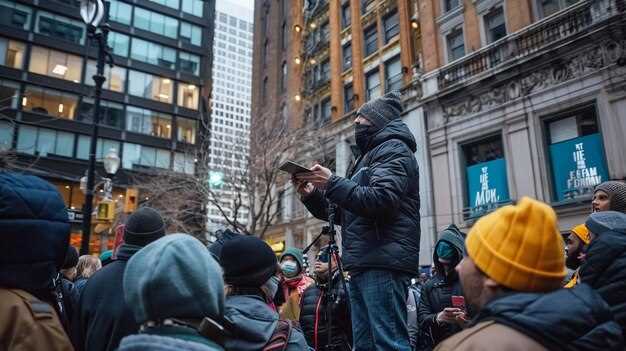
The New York City Council plays a pivotal role in the city’s governance, serving as a platform for members to represent their constituents across the five boroughs, including Manhattan, Queens, and Staten Island. Each council member is entrusted with the long-standing responsibility of addressing a wide range of issues from housing and parks to wildlife conservation. This structure not only facilitates a democratic process but also promotes the sharing of diverse perspectives essential for the city’s vibrancy and resilience amid various challenges.
In recent years, the council has launched several initiatives aimed at improving the city’s economic landscape and enhancing community engagement. Events like parades and rallies have been organized to raise awareness about critical issues, such as hate crimes and environmental preservation. The council’s commitment to support these initiatives is evident through statements made by officials during public forums, reaffirming their role as champions for policies that benefit all New Yorkers, from planting trees in community parks to ensuring the removal of obstacles that hinder progress.
As the city navigates complex dynamics, the New York City Council remains a cornerstone of civic life, facilitating discussions that touch upon the needs of various communities. From hosting classic theatre performances that celebrate local talent at the YMCA to recognizing the importance of economic opportunities for everyone, the council’s recent actions reflect a true commitment to fostering an inclusive, vibrant city. Each initiative, like the amazing work of committees reviewing proposals, showcases their dedication to moving forward together, embodying the spirit of collaboration that defines New York City.
Understanding the Structure of the NYC Council
The New York City Council, a vital legislative body, comprises 51 members representing various districts across the city. Each council member serves a four-year term, during which they are tasked with addressing the needs and concerns of their constituents, who are often referred to as New Yorkers. The structure is designed to ensure that every section of the city has a voice, with officials serving in areas including Manhattan, Brooklyn, and beyond.
The council’s organization also reflects the diversity of New York City, with members often working closely with different departments to address fiscal budgets and economic development. For example, when the budget is issued each year in April, the council engages in rigorous questioning and analysis of the proposed allocations to ensure that the needs of all communities are considered.
At times, the legislative process can feel daunting, especially for constituents unfamiliar with how the city government operates. The council aims to improve access to information through various initiatives, such as public meetings, informational sessions, and outreach programs in places like the YMCA. These efforts help demystify the internal workings of the council, making the process more transparent and engaging for all New Yorkers.
| מחוז | Council Member | Term Ends |
|---|---|---|
| מנהטן | Mark Levine | 2025 |
| ברוקלין | Shahana Hanif | 2025 |
| Bronx | Rafael Salamanca Jr. | 2025 |
Around the council meetings, members also engage in discussions around community festivals, planting initiatives, and cultural events, which are crucial for fostering community ties. This approach not only bolsters civic engagement but also allows for the promotion of local arts, such as musical theatre productions, which resonate strongly with the city’s rich cultural heritage.
Moreover, in recent times, initiatives have been announced focusing on wildlife conservation and public health. These programs address pressing social issues and aim to improve the quality of life for all New Yorkers. By prioritizing such projects, the council reaffirms its commitment to respecting the environment and enhancing urban living.
In summary, the NYC Council’s structure is intricately designed to reflect the city’s vast and varied communities. Through its full engagement with the public and constant endeavors to adapt to changing needs, the council remains a crucial source of support and advocacy for New Yorkers, showcasing the true essence of democracy in action.
Composition of Council Members: Who Represents Your District?
The New York City Council is a dynamic body comprising representatives from various districts across the five boroughs, including the vibrant neighborhoods of Manhattan, Staten Island, and Queens. Each council member, elected by constituents, serves to reflect and advocate for the unique needs and interests of their community. The composition of the council not only includes dedicated politicians but also individuals with backgrounds in diverse fields such as education, health, and public service. These members often collaborate in committees to review legislation, support local initiatives, and facilitate programs aimed at improving the lives of citizens, particularly children and families in their districts.
One of the fantastic aspects of the council is its role in organizing events such as parades and festivals that celebrate local culture, strengthening community ties. A classic example is the annual New York City Children’s Festival, which features activities where families can engage and support each other. During April, council members often provide statements regarding city-wide programs, addressing everything from animal welfare to public safety, ensuring that they are not just representatives but advocates for their districts. After-hours discussions and community feedback sessions emphasize their commitment to transparency and engagement. In a time when decisive actions are crucial, the council continues to help shape the future of the city, reinforcing its status as a hub of innovation and care for residents across the apple of New York.
The Role of the Speaker: Leadership and Authority

The Speaker of the New York City Council plays a pivotal role in shaping the legislative landscape of the city. As the presiding officer, the Speaker not only oversees council meetings but also serves as a crucial leader who facilitates communication among council members. This position carries significant authority, especially in times of fiscal challenges, where decisions can affect millions of families living in the city. Every decision flows through the Speaker, who is tasked with the responsibility to forecast the outcomes of proposed initiatives and navigate obstacles that may arise during the legislative process.
Additionally, the Speaker acts as a liaison between the council and various city officials, advocating for the needs of constituents. Initiatives aimed at improving public schools, enhancing parks, and supporting children’s programs often begin with the Speaker’s vision. In April, for instance, the Speaker announced a new program featuring solar energy solutions to reduce costs for families in the city. Such initiatives highlight the Speaker’s commitment to hands-on leadership while ensuring that vital resources are accessible to every corner of the city.
While leading the council, the Speaker encounters numerous challenges, each demanding astute decision-making and collaboration. For example, the recent removal of a controversial public theatre in a popular park raised questions from both residents and officials. By judiciously engaging with the community and addressing their concerns, the Speaker can effectively navigate through the complexities of local governance. This balance of power is essential not only for maintaining order but also for fostering a united vision for the future of New York City, where every child’s potential can be nurtured and celebrated.
Committee System: How are Decisions Made?
The New York City Council operates through a well-structured committee system that plays a crucial role in decision-making. Each committee is tasked with specific areas, such as budget, parks, or public safety. Members of the Council, often representing diverse districts like Queens and Staten Island, are assigned to committees that align with their interests and expertise. This structure ensures that various perspectives are integrated into legislative discussions.
Decisions are made during committee meetings, where members gather to review proposed legislation, budget allocations, and initiatives. These meetings allow for in-depth questioning of proposals and sharing of information among Council members. For instance, after an initial presentation of a new initiative, members might raise concerns or suggestions, leading to adjustments before the proposal reaches the full Council.
In the context of fiscal responsibility, committees also play a vital role in analyzing the financial implications of legislation. For example, when discussing a budget proposal featuring funding for public parks, committees will examine the economic forecast to ensure that the city can sustain these expenditures over time. This thorough analysis helps the Council avoid potential obstacles in implementing new projects.
One notable example of committee effectiveness is the recent initiative focused on community engagement with local parks. The committee, comprising members from various boroughs, organized tours that invited community input. This initiative was not only amazing in its outreach but also reflected the Council’s commitment to ensuring that local voices are heard in decision-making.
Each committee meeting follows a classic format that includes presentations from experts, public testimonies, and member discussions. During these sessions, members can also bring in outside counsel to provide additional insights, ensuring that decisions are informed by the best available information. This practice highlights the importance of collaboration and evidence-based decision-making in the legislative process.
Moreover, committees often feature specific initiatives that address pressing issues, such as solar energy adoption or youth programs within the YMCA. By focusing on these topics, the Council can target community needs effectively, fostering a sense of family and support across diverse neighborhoods. This approach helps in building trust and promotes a shared vision for the city’s future.
Ultimately, the success of the committee system relies on the active participation of its members. The Council’s commitment to deliberation and careful consideration serves as a model for other legislative bodies. Through cooperative efforts and an emphasis on collective interests, the City Council has made significant progress in addressing a wide range of issues affecting residents.
In conclusion, the committee system in New York City Council exemplifies how structured decision-making can lead to effective governance. By prioritizing collaboration and transparency, Council members work together to shape the future of their communities, ensuring that every voice is heard and valued within the legislative process.