


 עִבְרִית
  English (UK)
  Русский
  বাংলা
বাংলা  العربية
  日本語
日本語  한국어
한국어  Magyar
  Norsk nynorsk
  Türkçe
  Español
  Čeština
  Svenska
  Português
  Ελληνικά
  Suomi
Suomi  Nederlands
  Română
  Italiano
  Français
  Polski
  Українська
  Deutsch
  简体中文
简体中文  Slovenčina
  Српски језик
  اردو
اردو  Azərbaycan dili
  O‘zbekcha
  አማርኛ
አማርኛ 

Raymond Pettibon is a name that resonates profoundly within the underground art scene, born from the tumultuous waves of the Southern California surf culture. His work unfolds like a vivid book of memories, where images and words dance along the lines of a well-defined narrative. Pettibon started to gain recognition in the late 1970s, merging his love for music with art, as he crafted a visual language that influenced generations of musicians, from punk rock to jazz. Through his combination of violent imagery and literary references, he invites viewers to read between the lines, to think critically about the world around them.
In a way, Pettibon’s artwork functions as a bridge between the past and present, drawing inspiration from iconic figures like Jackie Kennedy, Roland Barthes, and even noir-oriented novels by authors like James, all the while maintaining a distinct distance from conventional art discourse. His exploration of American culture through the lens of surf, Hollywood, and youth reflects a complex interpretation of the everyday life that both fascinates and challenges the observer. The artist doesn’t shy away from the chaotic aspects of existence; in fact, he embraces them, creating a visceral experience that keeps spectators coming back for more.
As we delve into the archives of Pettibon’s career, we discover how his early influences, such as the works of Roy Lichtenstein and the burgeoning punk scene, shaped the very essence of his style. Every piece acts as a commentary, a carefully constructed visual narrative that skirts the line between fantasy and reality. While some may see mere chaos in his images, what Pettibon offers is a reflection of the societal landscape–a case study in the American psyche, populated by the cards we’re dealt. His videos and prints are a testament to a life spent in pursuit of an artistic expression that was never about following trends but rather creating a legacy that continues to inspire.
Early Life and Artistic Development
Raymond Pettibon was born in 1957 in Tucson, Arizona, where his early environment was steeped in the culture of the American Southwest. His parents, both educators, encouraged a thirst for knowledge that would later inform his artistic vision. Early on, Pettibon was confirmed in his penchant for drawing; he used whatever materials were at hand, from pencil to marker, to create images that resonated with his rapidly expanding worldview. This initial spark of creativity set the foundation for his future work, as he began to explore themes that would later become central to his artistic identity.
During the sixties, Pettibon’s family moved to Los Angeles, placing him at the heart of a burgeoning underground culture. The city served as a backdrop for his artistic development, where he was exposed to a variety of subcultures, from the vibrant music scene to the countercultural movements of the time. While attending college, he began to fuse his interests in literature and visual art, drawing inspiration from novelistic figures such as Proust and the cultural commentary found in contemporary magazines. His early works, often characterized by a sense of humor and irony, began to reflect the complexity of modern life.
Pettibon’s artistic transition into the punk rock scene during the late seventies marked a crucial turning point. He started creating iconic flyers and album covers that showcased his iconic style, which drew heavily on the aesthetics of black and white film noir. One of his most well-known collaborations came with the band Black Flag, where his artwork became synonymous with their identity. This partnership not only elevated his public profile but also allowed him to reach a wider audience who appreciated the layers of meaning in his work.
In recent years, Pettibon’s influence has continued to expand beyond the realms of music and subculture, reaching into the broader art world. His exhibitions often delve into various cultural references, including Goya, the Kennedy administration, and the absurdities of modern life. Each new show invites the reader to engage with themes that span decades, showcasing a level of relevance that keeps his work fresh and thought-provoking. Artists like Felix Gonzalez-Torres have often noted how Pettibon’s unique blend of visual and textual elements elevates the viewer’s experience, making his art a vital part of the contemporary dialogue.
Influences from Family and Environment
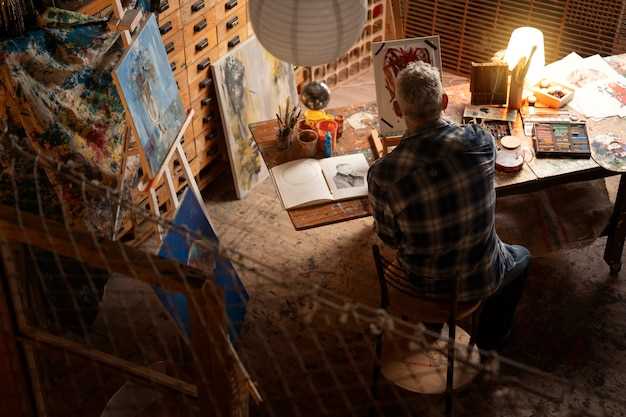
Raymond Pettibon’s artwork is deeply rooted in his childhood experiences and family influences, shaping the narratives that define his iconic pieces. Growing up in a household where literature and art were valued, Pettibon was introduced to various styles that would later inform his own. His father, a teacher, exposed him to the works of Proust and other literary figures, instilling in him a passion for storytelling that he would carry into his visual art. This blend of literature and visual imagery became essential in creating the complex worlds seen in his comics and artwork.
The chaotic vibrancy of suburban Southern California plays a significant role in Pettibon’s artistic narrative. Surrounded by the underground music scene and influenced by musicians like Charles Manson, Pettibon found himself drawn to the violent and anarchic aspects of society. His environment ignited a curiosity that often led him to explore subcultures through his art. Concert flyers, album covers, and the ethos of punk music served as both inspiration and a canvas for exploring societal themes, resonating with the collective experience of his generation.
- Influence of familial literary traditions
- Impact of Southern California’s subcultures
- Integration of music and visual art
Pettibon’s artistic journey is a conversation between the past and modern influences. His work meets at the intersection of various genres, merging elements from traditional comic storytelling and contemporary styles. The imagery he creates is a nod to his childhood, while also reflecting the complexities of adulthood. As he continues to evolve as an artist, he confirms that both personal and communal narratives shape his unique perspective, often leading readers to see beyond the surface of his art. Ultimately, Pettibon’s ability to weave together these influences makes his work not just visually compelling, but also rich in dialogue and meaning, ensuring it resonates with audiences across different levels of engagement.
Education and Early Artistic Pursuits
Raymond Pettibon’s journey into art began with a foundation in education that was both traditional and unorthodox. He initially studied economics at the University of California, Los Angeles, where he found himself more captivated by the vibrant culture of punk music and art than by financial theories. It was during this period that he became heavily involved in the local music scene, designing fliers and covers for various bands, including those inspired by the works of musicians and the spirit of the sixties. His education served as a backdrop, allowing his creativity to flourish in a world filled with youthful energy and rebellion.
In the late seventies, Pettibon was drawn to the vibrant art community in Los Angeles, where he encountered a blend of styles and influences. His drawings, often featuring peculiar characters and sharp humor, became a representation of his interpretation of American life. The materials he utilized ranged from pen and ink to watercolors, showcasing his ability to work with varied mediums. This versatility allowed him to create pieces that were not only visually striking but also rich in meaning, resonating with the themes of popular magazines and underground publications of the time.
One of Pettibon’s pivotal influences came from the works of artists like Roy Lichtenstein and George Grosz, who skillfully combined art with social critique. Through this lens, Pettibon began crafting narratives that often referenced literary figures like Marcel Proust and William Blake, expanding his artistic vocabulary into the realm of fantasy and philosophical exploration. The history of American art and the socio-political landscape provided a fertile ground for his creativity, leading him to develop a unique style that was initially dismissed but later confirmed as a major contribution to contemporary art.
As he gained recognition, Pettibon produced a substantial number of iconic pieces that reflect a distinct narrative quality, often laced with jokes and playful irony. His works have been associated with various artistic movements, echoing the sentiments of youth culture and countercultural critique. By the time he began participating in exhibitions and screenings, his pieces had evolved into comprehensive collections that challenged aesthetics and narrative forms. Pettibon’s artistic pursuits eventually became a vital part of his identity, establishing him as a key figure within the contemporary art landscape, specifically known for his innovative approach to drawing and storytelling.