


 עִבְרִית
  English (UK)
  Русский
  বাংলা
বাংলা  العربية
  日本語
日本語  한국어
한국어  Magyar
  Norsk nynorsk
  Türkçe
  Español
  Čeština
  Svenska
  Português
  Ελληνικά
  Suomi
Suomi  Nederlands
  Română
  Italiano
  Français
  Polski
  Українська
  Deutsch
  简体中文
简体中文  Slovenčina
  Српски језик
  اردو
اردو  Azərbaycan dili
  O‘zbekcha
  አማርኛ
አማርኛ 
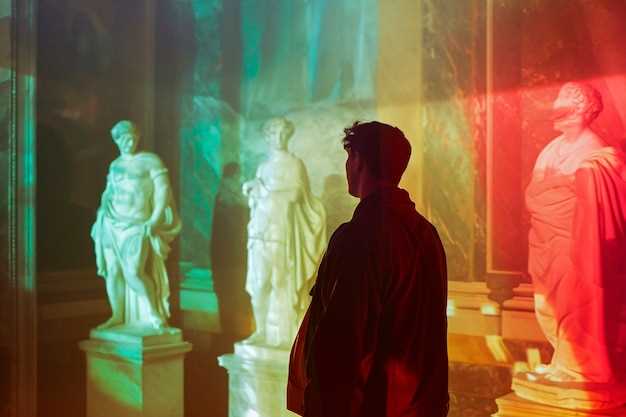
The Borghese Gallery, nestled in the heart of Rome, represents a treasure trove of artistry that has captivated visitors for centuries. This remarkable building is home to an extensive collection of 17th-century masterpieces, featuring works by renowned artists such as Caravaggio, Titian, and Bernini. Its exquisite sculptures and paintings are not just displays of technical prowess; they embody a rich history and a profound connection to the patrons who once commissioned them, including the influential Pope Paul V.
As you enter the gallery, the light streaming through the grand windows illuminates the space, turning each room into a canvas of elegance and grandeur. The sculptures, like Bernini’s intense pieces and the classical figures that mark the charm of the Baroque movement, create an atmosphere of dynamic storytelling. Scenes depicting saints and mythology, such as the tender portrayal of Cupid and Psyche, invite viewers into a world where history and artistry converge, crafting a narrative that has remained highly accepted over the years.
This neoclassical property is not merely an art gallery; it is a journey through time, filled with the beauty of hours spent in contemplation. Each artwork, from Lotto’s historical interpretations to the delicate portrayals in Barocci’s work, throws light on the mastery of its creator. As you stand before figures like Aeneas fleeing Troy or the tragic fate of Caracalla, feelings of mystery and admiration blend seamlessly. The Borghese Gallery truly appears as a pivotal site for anyone seeking to understand the depth of Roman art, making it an unforgettable experience for all who are able to visit.
Foundation and the Baroque Period
The Borghese Gallery, located in the heart of Rome, boasts a rich foundation that reflects the exuberance of the Baroque period. Established in the early 17th century by Cardinal Scipione Borghese, the gallery was designed to house his extensive collection of art, which included masterpieces from renowned artists such as Caravaggio, Bernini, and Raphael. This cardinal’s vision was to create a space that not only displayed art but also served as a testament to his power and knowledge, confirming his status among the elite of Rome.
The Baroque era is characterized by its intense emotional expression and dramatic movement, particularly in the realm of sculpture. The works exhibited in the gallery reveal the harmonious blend of art and spirituality, captured perfectly in Bernini’s sculptures. His famed representation of the Ecstasy of Saint Theresa exemplifies this, where the interplay of light and shadow creates a captivating atmosphere, inviting viewers to explore the deeper meanings behind the scene.
As one navigates through the gallery, the layout is purposefully arranged to highlight specific artworks. Each room echoes with the presence of Golia and his dramatic narrative, while the detailed portraits of Venus and Cupid immerse visitors in a world of profane and divine themes. This coordination of space and artistry creates an intimate environment, where small-group visits enhance the experience and allow for thoughtful appreciation of every piece.
The influence of the Baroque period is evident in the architectural design of the villa itself, which integrates seamlessly with the surrounding gardens. The magnificent structures, reminiscent of the grand basilicas of the era, frame the gallery’s exquisite collection, making it not just a location for art but a holistic experience in beauty and design. Visitors are encouraged to explore various curiosities, making the visit to the Borghese Gallery both educational and enchanting.
Throughout the centuries, the gallery has been a true treasure trove for those seeking to deepen their understanding of Baroque artistry. The careful curation of pieces, from Giorgiones’ portraits to Bellini’s landscapes, speaks volumes about the evolution of artistic expression and its relevance today. With the availability of e-vouchers, accessing this world-class gallery has become easier, allowing both locals and tourists to indulge in its rich offerings.
Ultimately, the Borghese Gallery serves as a sanctuary for art lovers and history enthusiasts alike, showcasing the best of the Baroque period. The blend of cardinal ambition, exquisite artistry, and compelling narratives creates an unforgettable experience that resonates deeply within the soul. Whether one is a knowledgeable scholar or a curious child, there is something here for everyone to discover and appreciate.
Origins of the Borghese Gallery: Historical Context
The Borghese Gallery, located in the heart of Rome, has its roots deeply embedded in the early 17th century, a period characterized by the prominence of the Borghese family. The gallery was initially established by Cardinal Scipione Borghese, a notable patron of the arts and a relative of Pope Paul V. His passion for collecting exquisite artworks laid the foundation for what would become one of the most important collections in the world.
In this unique space, artworks from various periods were exhibited, showcasing a rich array of artists, including Caravaggio, Raphael, and Bernini. The careful curation of these pieces is a testament to the Borgheses’ desire to represent the beauty and intricacy of both religious and mythological narratives. The collection resonates with the stories of saints and the Virgin Mary, often depicted in stunning marble sculptures and lively paintings.
Among the many masterpieces, one can find Garofalo’s “Madonna” and Bernini’s lifelike sculptures that embody a delicate interplay between light and shadow, using rich colors and intricate details. The technical prowess displayed in these artworks not only exemplifies the skill of the artists but also reflects the cultural advance of Rome during this era, as they cleverly imbue the marble and canvas with a profound narrative presence.
This collection spans centuries, with creations that appear timeless and mesmerizing. One notable work is the “David” by Bernini, which captures the dramatic tension of a small-group dynamic within a single moment in time. The artwork draws viewers into its story, which unfolds through the expressive poses and the intimate space they occupy, creating an intricate dialogue between viewer and sculpture.
The Borghese Gallery stands as a beacon of artistic achievement, kept in pristine condition and coordinated with the surrounding gardens. Here, visitors can enjoy the beautiful blend of history and art that has been carefully preserved. The gallery is not just a collection of artworks; it is a rich narrative tapestry, revealing the legacy of the Borghese family and the artistic milieu of Rome that thrived under their influence.
Cardinal Scipione Borghese: Visionary Collector
Inside the walls of the Borghese Gallery, one can truly appreciate the remarkable vision of Cardinal Scipione Borghese, a 17th-century figure known for his powerful presence in the art world. His collection features an intense array of artworks, from the splendid Renaissance paintings to exquisite sculptures, many of which were inspired by the human form. Borghese’s passion for art was evident in the way he arranged his collection; each piece is thoughtfully laid out, creating a narrative that connects various forms and subjects. His love for Venetian and Ferrarese art was particularly pronounced, leading him to acquire stunning pieces that would later inspire generations. The presence of Apollo and Amalthea, captured in marble, reflects not just the beauty of the figures but also Borghese’s expertise as a collector who explored the depths of creativity during his lifetime.
The Borghese Gallery is not just a place for admiring art; it is a chapter in the story of Scipione Borghese himself. Those who embark on tours of the gallery are inevitably filled with awe, as they stand before significant artworks that have been officially recognized for their historical importance. From Caravaggio’s intense chiaroscuro to Lotto’s vibrant colors, every episode in this artistic journey leaves visitors enchanted. The gallery’s layout, dotted with marbles and paintings, echoes the grandeur of Tivoli and the Capitoline, showcasing Borghese’s skill in curating a collection that resonates with both aesthetic pleasure and scholarly interest. For the children of art lovers, the gallery is an ideal place to enjoy and understand the profound impact of art, ensuring that Scipione Borghese’s legacy will not be missed in future generations.
Architectural Highlights: Design of the Gallery

The Borghese Gallery stands as a monumental example of 17th-century architecture in Italy, showcasing the power and beauty of the Flavian style. Designed by the architect Flaminio Ponzio, the building is a harmonious blend of Baroque aesthetics and classical elements. Its engaging presence captivates visitors, promising an enriching episode of history as they explore the vibrant space inside. The structure portrays a clear line of continuity with the Roman tradition while introducing innovative updates that make it a truly unique residence for art.
Upon entering the gallery, visitors are greeted by the impressive entrance that leads into a series of spacious rooms, each designed to enhance the viewing experience of the sculptures and paintings. The configuration of the interior effortlessly guides small-group explorations, encouraging a deep dive into the works of Joseph and other masters. Each room acts as a testament to the meticulous planning and artistry embedded within the walls of this historic building.
| אדריכל | Year of Completion | סגנון | תכונות עיקריות |
|---|---|---|---|
| Flaminio Ponzio | 1613 | Baroque | High ceilings, grand staircases, detailed frescoes |
| Caccianiga | 1700s (updates) | נאו-קלאסי | Symmetrical layouts, classical porticos, landscaped gardens |
Moreover, the design includes elements inspired by Hellenistic art, which together with the classic Roman architecture enriches the gallery’s historical significance. The overall structure, particularly the integration of sculptures like Cupid and Madonna, demonstrates a carefully curated balance of space and light, enhancing the beauty of the artworks. Such characteristics make the Borghese Gallery not only an essential destination for art lovers but also a profound architectural landmark that continues to draw interest from people across the world.
Key Baroque Artists Represented in the Collection
The Borghese Gallery is renowned for its remarkable collection of works by pivotal Baroque artists, representing a true reflection of the period’s intensity and beauty. Among the standout figures is Gian Lorenzo Bernini, whose lifelike sculptures and dynamic compositions dominate the gallery. His masterful work, “Apollo and Daphne,” captures an episode of mythological transformation, designed to evoke both admiration and emotional response. The meticulous detail in his sculptures reinforces the heritage of the Borgheses, who were key patrons of Baroque art in Rome.
Another notable artist in the collection is Caravaggio, whose innovations brought about a radically new approach to light and shadow. His dramatic use of chiaroscuro creates an atmosphere filled with tension, inviting visitors to witness the spiritual and often dark undertones of his subjects. Caravaggio’s paintings in the gallery epitomize the Baroque style, with figures that seem to leap from the canvas. “Saint Jerome” and “The Supper at Emmaus” are prime examples of the artist’s ability to infuse realism and psychological depth into his work, enhancing their emotional resonance.
Rubens, a master of color and movement, is also prominently represented in the Borghese collection. His paintings often depict serene landscapes or grand historical narratives, inviting viewers to immerse themselves in a harmonious environment. “The Massacre of the Innocents,” for example, showcases his signature lush brushwork, harmonizing figures and landscapes in a way that captivates the viewer’s imagination. This blend of beauty and drama is characteristic of Rubens’s style, presenting a stark contrast to the more somber tones of Caravaggio.
Additionally, the gallery features masterpieces by Raphael and Giorgione, whose contributions to the art world influenced generations of artists. Raphael’s serene compositions and beautifully balanced figures represent the high ideals of the Renaissance, while Giorgione’s poetic landscapes invite contemplation. Together, these artists’ works encapsulate the diverse styles that shaped the Baroque era, making the Borghese Gallery not just a collection, but a pilgrimage towards understanding the profound impact of these extraordinary creators on art and culture.