


 עִבְרִית
  English (UK)
  Русский
  বাংলা
বাংলা  العربية
  日本語
日本語  한국어
한국어  Magyar
  Norsk nynorsk
  Türkçe
  Español
  Čeština
  Svenska
  Português
  Ελληνικά
  Suomi
Suomi  Nederlands
  Română
  Italiano
  Français
  Polski
  Українська
  Deutsch
  简体中文
简体中文  Slovenčina
  Српски језик
  اردو
اردو  Azərbaycan dili
  O‘zbekcha
  አማርኛ
አማርኛ 
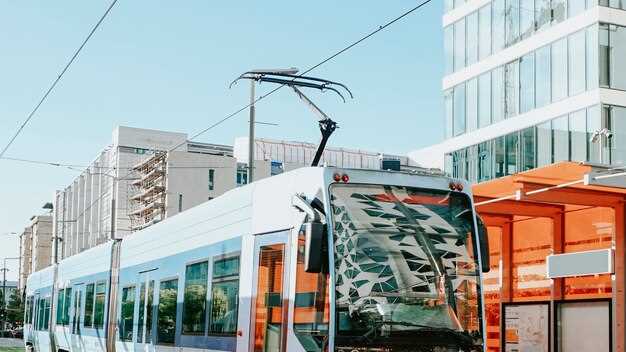
Medellín, a vibrant city nestled in the Aburrá Valley, boasts a transformative public transport system that connects its inhabitants with key urban arteries. The Medellín Light Rail, complemented by cable car services, provides an efficient way for riders to navigate the city and explore the diverse culture and lifestyle it offers. Tourists often consider this system a crucial aspect of their journey, allowing them to experience the traditional and modern sides of Medellín seamlessly.
Understanding the different routes available can greatly enhance your experience. The incorporation of rapid transit trains, along with buses and cable cars, makes for an unlimited exploration of the city’s attractions. For those who want to tap into more information, the first step is to know about the payment methods. This publication provides a guide on managing fares, with details on costs and how to navigate the system like a local. Whether you’re using Didi, Holafly, or traditional transport, knowing how to transfer between services is essential for an efficient journey.
Typical travel times may vary; however, riders will find that the light rail system significantly reduces time spent on the road. With the ability to activate your travel card at various plazas and stations, the experience is streamlined, promoting inclusivity and accessibility for all who call Medellín home. As you engage in this exploration, remember to consider the cultural nuances and the value of each ride, as they connect not just different parts of the city, but also the people who live within it.
Understanding Medellín’s Light Rail System

The Medellín Light Rail system is a modern and efficient urban transit tool that significantly enhances mobility in the city. It connects various neighborhoods with the city center and offers a rapid means of transportation for both residents and tourists. The system primarily consists of a single line, but it interlinks with other forms of public transit, such as the cable cars and buses, making it a vital part of the city’s transportation ecosystem.
Before using the light rail, riders should be aware of the timings and routes to avoid any difficult navigation through the city. The trains operate frequently, allowing for quick access to various areas. The line runs through significant parts of Medellín, including the Botero Plaza and the Antonio Acevedo neighborhood, ensuring that most important attractions are easily reachable.
One remarkable aspect of this light rail system is its design and integration with the natural landscape. The rail line meanders through the hills of Medellín, providing stunning views along the route. This transformation of public transport has made it easier for people to navigate the streets and improve their connectivity without having to rely solely on private vehicles.
Throughout the years, the Medellín Light Rail system has fostered a social policy aimed at ensuring safe and reliable transportation. It has transformed the way people work and commute, always prioritizing rider safety and efficiency. In addition, the fully operational system has encouraged the development of professional opportunities in the areas it connects, promoting economic growth.
- Trains are modern and equipped with user-friendly features.
- Riders can use tools such as eSIM for mobile connectivity while traveling.
- Integration with cable car lines enhances overall transport efficiency.
- The light rail reduces travel times for those living in outlying neighborhoods.
For tourists, understanding Medellín’s light rail can make a significant difference in their visit. It allows them to explore several areas of the city while enjoying the convenience of rapid transit. Whether visiting cultural sites or hidden gems, the light rail system is designed to meet diverse needs, ensuring that both locals and visitors can enjoy the vibrant atmosphere of Medellín.
Overview of the Light Rail Network
The Medellín light rail network is a vital component of the city’s public transport system, seamlessly integrating tramways and cable cars, particularly the famous Metrocable. This network enables efficient and rapid movement through the hilly terrain of the valley, making urban transit easier for both locals and visitors. Riders can access multiple stops with unlimited transfer options, allowing them to navigate between buses, taxis, and other transport tools with a single ticket. Prices are affordable, with both single-journey and unlimited travel options that fit within various budgets. Payment is convenient, with turnstile systems streamlining the boarding process.
Designed for social mobility, the light rail network is accessible and user-friendly. For tourists who are keen on exploring, knowing your stops and planning routes is essential. The Ayacucho line, for example, allows tourists to experience the city from a unique perspective. Professional drivers and well-marked stations make the experience enjoyable. As a reader looking for transportation options in Medellín, it is advisable to consider the light rail not only for its efficiency but also for the stunning views it offers. Remember to keep your passport and tickets handy, as they might be required for certain services within the network to ensure a smooth journey.
Key Features of the Light Rail System

The Medellín Light Rail system is an essential tool for navigating the city’s bustling areas. It connects several key attractions and neighborhoods, providing locals and tourists with a rapid, safe, and efficient means of transportation. One major feature is its coverage; the light rail extends across various parts of the city, even reaching hillside communities that might otherwise feel isolated. This ensures consistent mobility and access for all residents, regardless of their location.
Another significant aspect of the light rail is the frequency of its trains. Trains operate often, which makes it convenient for passengers who are on a tight schedule. For example, travelers can expect to wait no more than a few minutes during peak hours. This feature not only reduces journey times but also alleviates the need for additional transport modes, allowing commuters to plan their time more accurately.
The light rail system serves as a driver for local economic growth by activating previously underutilized areas. By improving access to remote or less frequented parts of the city, it opens several opportunities for businesses and enhances the overall experience for both residents and visitors. This creates a significant difference in the local economy, making it more dynamic and inviting.
Making the light rail system more accessible is a priority for the city of Medellín. Stations are designed to accommodate all passengers, including those with disabilities. Turnstiles, platforms, and waiting areas are constructed to ensure that everyone can embark and disembark with ease. Such considerations reflect the city’s commitment to inclusivity and safety, providing a travel option that is not only practical but welcoming.
Fares are generally affordable, allowing many to utilize the service without financial strain. For tourists, the light rail offers a cost-effective way to explore the city. With a single swipe of a passport or transportation card, passengers can transport themselves to various attractions throughout the metropolitan area. This makes the system an excellent choice for anyone looking to experience the vibrant culture of Medellín.
In summary, the Medellín Light Rail system is an integrated part of urban transit that has transformed the way people communicate and connect with their city. From its accurate scheduling to its thoughtful design that prioritizes accessibility, this transportation network enables a more connected and economically thriving community. Tourists and locals alike should consider it a go-to mode of transport for adventures in this remarkable Colombian city.
Operating Hours and Frequency
The Medellín Light Rail system operates with specific hours that cater to both early commuters and those returning late from the bustling city. Generally, the trams begin their operations around 4:00 AM and run until approximately 11:00 PM. This schedule makes it possible for many residents to manage their work schedules without the need for alternative transportation methods.
Understanding the frequency of the trains is essential for efficient navigation of the city’s transport network. Trams tend to arrive at stations every 10 to 15 minutes during peak hours, which are typically between 6:00 AM and 9:00 AM, and again from 5:00 PM to 8:00 PM. This reliable service significantly enhances the overall inclusion of public transportation in Medellín, allowing commuters to move easily between various destination points without delays.
For those opting to travel to the eastern area of the city via cable cars, it is noteworthy that these services generally run from around 7:00 AM to 8:00 PM. The integration of cable cars into the tram network provides a seamless experience for users seeking to traverse hillside neighborhoods, ensuring that even more isolated regions remain accessible. This design allows for a flow of local culture and commerce, making it easier for people to reach their intended destination.
While using the Medellín Light Rail or cable car systems, it’s important for travelers to manage their time accurately. The turnstiles at each station can be tricky, especially for first-time visitors. Thus, carrying cash or an electronic SIM (eSIM) for mobile payment can expedite this process. Activation of transportation cards can also be a straightforward tool for moving through the various services without hassle.
The tram system operates on a fare-based structure, where readers need to know the current rates before embarking on their journeys. Fares are affordable compared to traditional taxi services, making it an attractive option for many. Example fares can vary slightly based on destination but are generally consistent across the network. This pricing strategy helps to promote frequent use among commuters.
Travelers wanting to fully enjoy the urban transit experience should also keep in mind that schedules can slightly differ on weekends or holidays. However, the utmost aim of the Medellín transportation system is to provide valuable services that cater to a wide audience. It is recommended to check the official website or local apps for the most accurate and up-to-date operating hours.
| שירות | שעות פעילות | תדירות |
|---|---|---|
| Tram | 4:00 AM – 11:00 PM | Every 10-15 minutes (during peak hours) |
| Cable Cars | 7:00 AM – 8:00 PM | Every 20 minutes |
By being informed about operating hours and frequency, visitors can better plan their trips and ensure they don’t miss out on exploring the vibrant streets of Medellín. Making use of the light rail and cable car systems not only promotes an efficient way to navigate the area but also supports a sustainable mode of transportation amidst the city’s growth and development.