


 עִבְרִית
  English (UK)
  Русский
  বাংলা
বাংলা  العربية
  日本語
日本語  한국어
한국어  Magyar
  Norsk nynorsk
  Türkçe
  Español
  Čeština
  Svenska
  Português
  Ελληνικά
  Suomi
Suomi  Nederlands
  Română
  Italiano
  Français
  Polski
  Українська
  Deutsch
  简体中文
简体中文  Slovenčina
  Српски језик
  اردو
اردو  Azərbaycan dili
  O‘zbekcha
  አማርኛ
አማርኛ 
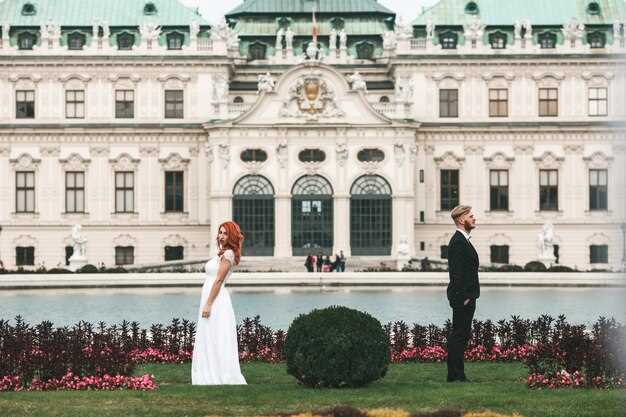
The Belvedere in Vienna stands as a testament to the city’s illustrious aristocratic past, serving not just as a palace but as a vibrant cultural hub that has evolved throughout the centuries. Its stunning architecture and carefully curated collections attract millions of viewers each year, eager to discover the masterpieces housed within its walls. From the intricate marble statues gracing its gardens to the enchanting fountains that invite visitors to linger, the Belvedere is a place where history whispers stories of bygone days and the splendor of the Austrian imperial era.
This gallery, recognized for its world-famous collection of Klimt’s works, particularly attracts art enthusiasts and casual admirers alike. Visitors can explore rooms adorned with rich artistic heritage, including pieces by renowned artists such as Egon Schiele and other contemporaries, making their experience almost surreal. Each corner of the Belvedere invites people to delve deeper into Viennese culture and history, providing a unique opportunity to witness not only the beauty of the art but also the legacy of its royal patrons.
As one roams through the vast spaces of this palace, it becomes evident that the Belvedere is more than just a visual feast. It smartifies our understanding of old and new, melding the past with the present in ways that resonate with modern audiences. Daily, the Belvedere opens its doors to those seeking accommodation within its artistic universe, ensuring that the cultural dialogue continues with every passing visitor. With its commitment to preserving the art and stories of Austria, the Belvedere firmly establishes itself as a pivotal landmark for both locals and tourists, shaping Vienna’s narrative in the most wonderful ways possible.
Historical Significance of Belvedere
The Belvedere Palace complex, constructed in the early 18th century, serves as a testament to the grandeur of Vienna’s imperial past. Once the summer residence of Prince Eugen of Savoy, its rooms are adorned with elaborate frescoes, elegant marble details, and beautiful gardens. As time passes, this site has become more than just a historical attraction; it embodies a rich tapestry of European culture, showcasing the evolution of art and society through the centuries.
Belvedere’s significance is magnified by its collection of artworks, including masterpieces from renowned artists like Gustav Klimt and Egon Schiele. These works do not merely hang on the walls; they invite visitors to understand the artistic movements and societal topics prevalent during their creation. The gallery’s exhibitions delve into themes that are socially relevant, exploring both the grotesque and the beautiful in art and life, bridging connections between the past and present.
- The palace hosted famous historical events, establishing itself as an important cultural hub.
- Inside, you’ll find rooms that reflect the opulence of bygone eras, adorned with golden accents and intricate wooden craftsmanship.
- Visitors can explore a narrative that includes not just the art but also the lives of the women and men who frequented these halls.
Belvedere is not just a place to view art; it is an immersive experience that connects the rich history of Vienna with the works of its world-famous artists. Each guided tour offers tips for understanding the significance of the exhibits, whether you’re interested in Klimt, Schiele, or the broader cultural implications of the artworks. A ticket to this enchanting destination not only grants access to its stunning attractions but also allows you to become part of Vienna’s storied history, making it a perfect stop for anyone visiting the city.
How Was Belvedere Built?
The construction of the Belvedere complex began in the early 18th century under the direction of the renowned architect Johann Lucas von Hildebrandt. Commissioned by Prince Eugene of Savoy, a prominent military leader, the project was designed to be both a residence and a showcase for art and culture. The impressive palace was built between 1714 and 1723, embodying the grandeur of Baroque architecture, which was prevalent throughout Europe during that time.
During its construction, various artisans and craftsmen collaborated to create a masterpiece that would not only serve as a royal residence but also as an artistic hub. The grand façade and beautifully designed rooms were specifically crafted to capture the light and offer a wonderful view of the surrounding gardens and the city. The complex consists of two main palaces, the Upper and Lower Belvedere, which are connected by a stunning baroque garden that highlights the beauty of nature.
Over the ages, Belvedere has undergone several renovations, allowing it to maintain its architectural relevance. The walls of the palaces are adorned with works from world-famous artists, including the Austrian painter Gustav Klimt. His paintings, such as “The Kiss,” have become a highlight of the gallery housed within, making it a must-visit attraction for art lovers. Admission to the Belvedere is offered at a reasonable price, with free entry available at designated times, enabling many citizens and tourists to explore its rich history and breathtaking art collections.
As you stroll through the expansive grounds and rooms of the Belvedere, you’ll understand more about the cultural significance of this complex. It stands as a testament to the artistic movements and social changes that have shaped Austria’s history. From the beautiful flower gardens outside to the carefully curated galleries inside, every corner of Belvedere invites visitors to connect with its past and admire the masterful creations of great artists like Klimt. Whether you are a scholar or a casual visitor, Belvedere offers a unique experience that allows you to become immersed in the artistic fabric of Austria.
Who Were the Key Figures Behind Its Construction?
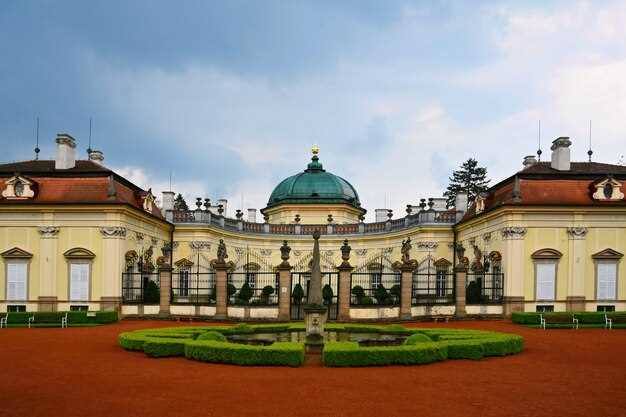
The Belvedere Palace in Vienna stands as a testament to the architectural brilliance of the 18th century, guided by the creative vision of prominent figures such as Prince Eugene of Savoy. Known for his military prowess, Prince Eugene became one of the most influential patrons of the arts in his time. His affection for culture and beautiful architecture led to the selection of prominent architects like Johann Lukas von Hildebrandt, who was instrumental in shaping the palace’s stunning design. This remarkable collaboration produced a structure that became one of the highlights of European imperial architecture.
One of the most impressive aspects of the Belvedere is its use of materials such as marble, which adorned the walls and altars within the palace. Carlone, another key figure, contributed significantly to the interior artwork, creating beautiful frescoes and sculptures that have captivated visitors for centuries. These artistic choices have helped the Belvedere remain a world-famous museum, where tourists can find a rich collection of works from various ages, including pieces by artists like Egon Schiele and Gustav Klimt. The palace not only served as accommodation for Prince Eugene but also as a venue for significant cultural events.
Over the years, many adults and families have visited Belvedere, drawn by its beauty and the impressive exhibitions it offers. The palace’s gardens, which are part of the landscape architecture crafted during its construction, serve as a special place for relaxation and enjoyment. Featuring a majestic Baroque design, the gardens guide visitors through a journey of splendor that connects them with the history of Austria in a very personal way. It is a space where both locals and tourists can appreciate the intricate details that have persisted over the centuries.
In recent years, Belvedere has embraced its role as a national cultural institution with an emphasis on accessibility; introductory museum tours are available for free. Visitors can gain insight into the rich history of the palace, the key figures involved in its construction, and the stories that have unfolded within its gracefully adorned walls. As the Belvedere continues to evolve, it remains a place where the past meets the present, ensuring that each visit is more than just an exploration of an imperial palace, but a full immersion into an exquisite slice of Viennese culture.
What Historical Events Took Place Here?
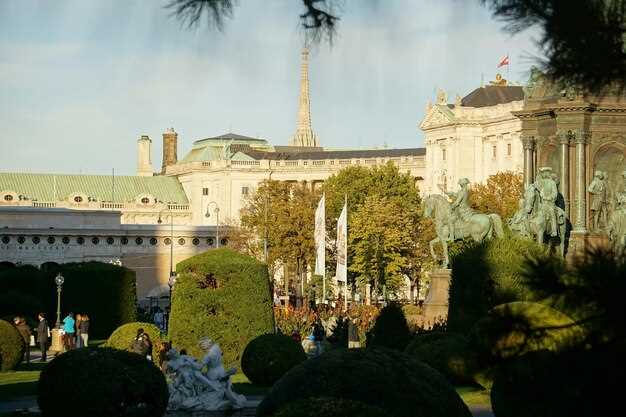
The Belvedere Palace, located in Vienna, Austria, has been a significant site for numerous historical events over the ages. Originally commissioned by Prince Eugen of Savoy in the early 18th century, it served as his residence and was integral during the War of the Spanish Succession. The beautiful gardens, adorned with fountains and flower displays, became a venue for many gatherings and celebrations among the Austrian nobility. It is known that famous artists and intellectuals visited these hallowed halls, sharing ideas that would shape the future of the nation.
In the 19th century, the Belvedere transitioned to a national gallery, opening its walls to showcase masterpieces from prominent artists like Gustav Klimt. The introductory exhibitions highlighted the dynamic art movements of the time while offering a temporary glimpse into the cultural tapestry of Europe. Over the years, Klimt’s “The Kiss” and other works were proudly displayed, attracting adults and children alike, and solidifying the palace’s place in Austria’s artistic history.
The palace also witnessed poignant moments, such as the death of notable figures who shaped its legacy. For instance, while it has served as a canvas for artistic expression, it also became the birthplace of many revolutionary ideas. The interplay of light filtering through its grand chandeliers and other decorative elements evokes a sense of the bygone era, making Belvedere not just a collection of rooms, but a rich tapestry of history, art, and culture that continues to captivate visitors from around the globe.
נפלאות אדריכליות
Belvedere Vienna is not just another palace; it showcases a perfect blend of architectural brilliance that captivates visitors. The two stunning buildings, known as the Upper and Lower Belvedere, were constructed in the 18th century for Prince Eugene of Savoy. The design was entrusted to renowned architect Johann Lukas von Hildebrandt, who infused the structures with a rich Austrian baroque style. Each façade is adorned with intricate details, and the vast gardens outside are punctuated by elegant fountains, providing a picturesque setting that highlights the splendor of the palaces.
As you explore the interior, prepare to be amazed by the gallery, which boasts an impressive collection of works by famed artists, including Gustav Klimt. Visitors are invited to discover the cultural significance of these exhibits, which have become a defining feature of the Belvedere. The museum not only celebrates its artistic legacy but also serves as a space for modern artists to display their creations alongside the classic masterpieces. In this way, the Belvedere honors both the past and present, enriching its walls with a narrative that spans centuries.
- The architectural layout encourages natural light to flow through the vast windows, creating an inviting atmosphere.
- People of all ages can enjoy the rich history and art on display, making it an ideal destination for families.
- Tips for your visit include allowing ample time to tour the orangery and the various rooms of accommodation that are open to the public.