


 עִבְרִית
  English (UK)
  Русский
  বাংলা
বাংলা  العربية
  日本語
日本語  한국어
한국어  Magyar
  Norsk nynorsk
  Türkçe
  Español
  Čeština
  Svenska
  Português
  Ελληνικά
  Suomi
Suomi  Nederlands
  Română
  Italiano
  Français
  Polski
  Українська
  Deutsch
  简体中文
简体中文  Slovenčina
  Српски језик
  اردو
اردو  Azərbaycan dili
  O‘zbekcha
  አማርኛ
አማርኛ 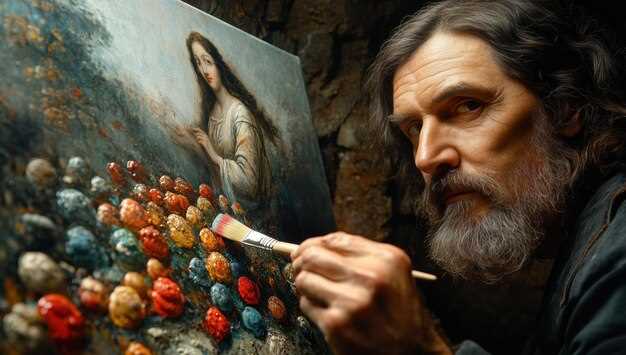 הפכו למומחים – 8 ציורי רמברנדט מדהימים מוסברים לשנת 2025">
Begin with a practical plan: pick eight Rembrandt paintings and study how light guides the eye, how figures hold their pose, and how paint layers build depth. Use a single glance at each work to compare and jot quick notes on what stands out.
The Night Watch (1642) in the Rijksmuseum Amsterdam demonstrates a dynamic group composition. Light travels from the left, brushing sleeves and faces, while the dark backdrop makes the central figures pop. Note the crisp folds on Captain Frans Banning Cocq’s collar and the softer transitions in the drummer’s sleeve, a result of multi-layer glazing.
The Syndics of the Drapers’ Guild (1662) presents a coordinated group in three-quarter view. Look at how the fabric textures are matched with careful brushwork and how light catches metal buttons and ribbons, showing a calm, organized atmosphere that contrasts with the motion in The Night Watch.
The Return of the Prodigal Son (c. 1669) centers on the prodigal’s gesture and the father’s compassionate stance. The painting uses heavy chiaroscuro to carve form, with warm skin tones against a cool, shadowy backdrop. Try noting how the fingers meet the father’s robe as a quiet hinge in the moment presented.
The Jewish Bride (c. 1665–1669) shows tenderness in the couple’s posture and a glow on the skin created by thin glazes. The male figure warms the composition, while the wife’s headdress creates a quiet rhythm against the soft backdrop. The piece stands as a study in restraint rather than drama.
Two intimate portraits from later years reveal how Rembrandt fused portraiture with psychological nuance. Observe the subtle handling of light on cheeks, the ringlets of hair, and the way the sitter’s gaze aligns with the viewer in a way that feels direct yet intimate.
Two narrative episodes from his biblical scenes advance the idea that painting balances drama with quiet humanity. In these works, the figures emerge from the shadows as a group in a moment of decision or mercy, with the brushwork smoothing into a velvety glaze where color warms the cloth and face.
To use this guide in 2025, pick a painting, compare its lighting, pose, and handling of surface, then move to the next piece. Create a simple checklist: direction of light, main gesture, fabric texture, and the transition between light and shade. With such a method, you’ll build a solid sense of Rembrandt’s craft in a short time per work.
The Jewish Bride c 1665 – 1669
Study the hands and the eyes to feel the bond; this portrait rewards steady observation with a sense of shared forgiveness.
The palette relies on warm colours–ochres, earth tones, and muted blues–creating a high glow on skin and fabric. Rembrandt built depth with brushwork that remains visible, making the figures emerge from shadow.
Created c 1665–1669, the portrait represents a couple in a moment of quiet intimacy. The gesture of the hands and the turning gaze captures forgiveness, while the scene appears, capturing a gentle emotional exchange, with the figures captured in a soft, tactile light.
There is a saint calm in their expressions, a restraint that invites the viewer to pause and reflect on the ethical weight of affection and forgiveness.
The calm may appear in the viewer’s mind as a signal of forgiveness and quiet affection.
As a portrait, it marks a place where faith and daily life converge, a moment that many viewers feel as a window into a shared humanity. Interpretations often note familial ties and the sense that fathers and partners share responsibilities in a quiet social context that remains relevant for modern audiences.
For viewers feeling a doomer mood, the work offers emotional company, a steadiness that forgives past mistakes and suggests resilience.
Today the painting sits housedhermitage, inviting observers to compare the quiet touch with other masterworks across galleries.
When you study this work in 2025, look for how colours and light define the participants’ presence and how the emotion feels contained within the space. The composition comes through in the careful balance of closeness and reserve, a hallmark of Rembrandt’s late portraiture.
Dating and Attribution: How scholars determine date and authorship
Begin with a rigorous provenance check and a targeted stylistic study to date and attribute the artwork with confidence. The development rests on cross-disciplinary work at an institute, where archival records, technical tests, and critical comparisons converge to form a reliable judgment.
Provenance research guides attribution by tracing ownership history, sales, inventories, and letters. There, scholars build a chain of custody that can confirm authorship or reveal later additions. Check major registries and stock catalogues, and cross-reference with well-documented sales in places like The Hague and other European centers. Record every link in the story, including proposed dates of frames, studios, and collaborations.
Connoisseurship and stylistic analysis focus on portraiture, facial expression, and the depth of paint handling. Compare the piece against known works by the same hand, noting how colors are blended, how lace and textiles are rendered, and how crowd scenes are organized. Identify particular motifs, brushwork textures, and compositional choices that recur in a painter’s styles. Critics rely on human judgment here, sharpened by decades of study and a careful debate against alternative attributions.
Technical imaging and materials analysis provide objective anchors. Non-destructive tests map pigment palettes, binding media, and varnish layers, while infrared and X-ray imaging reveal underlying drawings, pentimenti, and changes. For wood panels or canvas, dating of the support through dendrochronology or radiocarbon tests can place creation before or after a specific year. These data points, together with a careful assessment of colors and layer depth, help separate an original artwork from later studio pieces or copies in a stock collection.
Integrate archival material, technical results, and stylistic notes into a concise dossier the field can trust. Publications and critical reception matter: entries in catalogues, exhibition histories, and peer reviews shape consensus. Cross-check with public records on wikimedia and institutional repositories to ensure the story stays transparent and reproducible, especially when there is debate about authorship or a painting’s afterlife in a studio or collection.
Recommended workflow for researchers: assemble provenance from inventories and letters; conduct a side-by-side comparison with securely attributed pieces; run pigment and support analyses; consult independent critics and scholars; document all steps and publish a clear attribution note. Revisit the assessment whenever new evidence emerges from exhibitions, new high-resolution images of the facial features, or fresh discoveries in archive holdings there in the institute or at partners in hague archives to keep the attribution accurate.
| Method | What it assesses | Typical indicators |
|---|---|---|
| Provenance research | Ownership history, sales, inventories | Documented chain of custody, verified catalog entries |
| Stylistic analysis | Expression, facial features, lace, depth, colors | Consistent brushwork, motif usage, alignment with artist’s styles |
| Technical imaging | Underdrawing, changes, layering | Infrared reveals sketches; X-ray shows pentimenti and fixes |
| Materials and dating | Pigments, binders, support | Pigment palette by period; dendrochronology/radiocarbon context |
| Publication history | References in catalogues, critics, collections | Attribution in reputable sources; noted disputes |
Technique and Materials: Brushwork, glazing, and light handling
Begin with a toned ground and a compact brush kit: a fine round sable for lines, a short flat for planes, and a soft mop for blending. Establish the center of light with a lean underpainting, then build volume with confident, directional strokes that follow the planes of the face and garment. This approach could deliver palpable texture and a sense of life in the figures, and historians note how quick, expressive marks become the backbone of Rembrandt’s portraits. Throughout the session, keep edges crisp where you want to fix a feature, and soften elsewhere to suggest velvet, satin, and skin.
Glazing requires restraint: apply transparent color in ultra-thin layers, mixing color with a small amount of drying oil and a touch of resin. Wait for each layer to dry before applying the next; two to four layers often yield depth without flattening. The glaze creates a golden warmth on skin and fabric and enhances texture without obliterating brushmarks. A reliable source of depth is the light in the room; test tones on a practice panel before applying to the final work. In amsterdam studios, daylight shifts with the hour, so plan glazing steps to respond to those changes. An anecdote from historians says that nicholaes, a servant to the painter, observed how glazes deepened the model’s presence and revealed subtle color shifts across the cheek.
Light handling centers on controlled contrast: use a strong light source to carve forms, then soften shadows with subtle glazing to keep the surface receptive to glow. Let some light break through the edges of hair, fabric, and lace; these waves of light create a palpable rhythm across the portrait. The center announces the sitter, while surrounding areas recede, a balance that reminds us of the greatest figures in amsterdam portraiture. Rembrandt worked in layers to build depth; to portray texture, rely on thin layers rather than a single brushstroke, so skin, cloth, and gilded ornament catch the eye. These stories live in every glaze, as historians show how light communicates mood and character to the viewer.
איקונוגרפיה וסמליות: משמעותם של בגדים, תנועות והסביבה
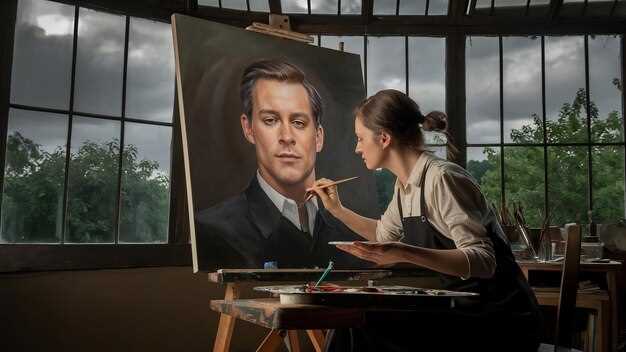
התחילו בקריאה צמודה של בגדים, תנועות ומקום התרחשות כדי לפענח את המשמעות בציוריו של רמברנדט. מאפיינים בולטים של התיאור שלו חושפים כיצד לבוש מתקשר מעמד, אופי וטון מוסרי מעבר לדמיון גרידא.
בגדים וטקסטיל
- בדים מסמלים תפקיד חברתי: קטיפה או פרווה מרמזות על עושר או סמכות, בעוד צמר או פשתן פשוטים מצביעים על צניעות או פרקטיות; המרקם והנפילה של הבד הם אינדיקטורים מדויקים למעמד ומצב רוח.
- פרשנות של מדריך צבעים וגזרות: חומים כהים ושחורים מאחדים דמות בהרהורים, בעוד שחפתים או תחרה לבנים מושכים תשומת לב לידיים ולפנים, ומדגישים מיקוד מוסרי. השינויים המהירים של האור על פני הבד מדגישים את המישוש ואת חיי הפנים.
- אביזרים וסימנים: כובעים, צווארונים, טבעות או מחרוזות תפילה מצפינים עיסוק, אדיקות או קרבה משפחתית. בסצנות הכוללות דמויות תנ"כיות כמו יצחק, הבגדים מחזקים את השושלת והאמונה, ומקשרים את הרגע הנוכחי לנרטיב רחב יותר.
מחוות וידיים
- ידיים מניעות את הסיפור: כף יד מורמת, ברכה, אחיזה בבד או לחיצת אצבע עדינה מעבירות כוונה בלי מילים מדוברות.
- מיקום ומבט מעצבים משמעות: מבט מושפל מסמל ענווה; מבט צדדי מזמין את הצופה לתוך הרגע; יד קפוצה יכולה לסמן נחישות או מתח.
- קווים אקספרסיביים וצל: קו המתאר של יד על רקע בד כהה יוצר צללית חזקה, מאפיין בולט שהופך את המחווה לבלתי נשכחת עבור הצופה.
תפאורה, אור וחלל
- ארכיטקטורת פנים ממסגרת אופי: הצבת רהיטים, זוויות פתחי דלתות ווילונות חושפים עיסוק, סטטוס וחיי יום-יום, ועוזרים לך לקרוא חוויה מעבר לפני השטח.
- צל ככלי נרטיבי: צללים עמוקים מבדילים את הפנים או הידיים, מעצימים את הדרמה ומפנים את תשומת הלב לפרטים חיוניים. האיזון בין אור וצל הוא כלי מהותי להעברת מצב רוח.
- מראה והשתקפות: מראות מופיעות כמכשירים סמליים שמכפילים נוכחות או מזמינים לבחינה עצמית, ומעשירים את מעורבותו של הצופה במראה ובזהות.
ליישם את זה בפועל
- התחילו בבגד: שימו לב לבד, לצבע ולגזרה כדי להסיק על מעמד ומצב רוח, ואז עקבו אחר האופן שבו האור מעניק מרקם כדי לאשר כוונה.
- עברו לידיים ולבעיExpression הפנים: זהו מה התנועה מתקשרת על יחסו של היושב לאחרים ולצופה.
- הערכת תפאורה ותאורה: בחנו כיצד חלל, צל וכל משטח מחזיר אור תורמים להקשר הנרטיבי.
- השוו בין יצירות המוכרות מהקשרים ארציים וסגנונות ציור שונים כדי לאתר סמלים חוזרים ונשנים וגורמים מקומיים ייחודיים שעיצבו את התיאור.
- חוו את הציור כצופים: תנו למשחק הגומלין בין בגד, תנועה והקשר להנחות את התגובה הרגשית שלכם ולהעמיק את הבנתכם את רגע השיא המוצג.
היסטוריה של שימור ומקור: שיפוצים וציר זמן של בעלות
התחילו בפעולה מדויקת: בנו ציר זמן של שיקום ובעלות עבור כל יצירת אמנות, שינחה את כל החלטות השימור הבאות. אספו רשומות ארכיוניות, קטלוגים מנומקים, רשימות מלאי של סוחרים ותיעוד של שיקומים, רחצות והתערבויות אחרות, וחברו אותם לשמות שניתנו ליצירה ולמספרי הקטלוג שלה. הצליבו תאריכים ופרטים מול ערכי ויקימדיה וקטלוגים של מוזיאונים כדי לאשר מתי החלו ההתערבויות וכמה זמן צבעים ואור שינו את עומק פני השטח. עקבו אחר האופן שבו פנים ודמויות מרכזיות בקומפוזיציה נראות לאחר כל שיקום, תוך ציון שינויים בעומק הפיגמנט ובמרקם פני השטח.
תעדו שרשראות בעלות בדיוק: רשמו אבות, אספנים, סוחרים ומוסדות; כללו את הבעלים שניתנו כשמות, וסמנו את ציר הזמן עד ימינו. אם יצירה כוללת דיוקן עצמי או מוטיבים ייחודיים אחרים, תעדו מתי החלה הסדנה של הצייר בנוהג זה ומדוע, והסבירו מה נשאר נפרד משיקומים מאוחרים יותר. גישה זו חלה על יצירות אמנות ברחבי האוסף ומסייעת להבטיח ייחוס שקוף ליצירות מופת. כאשר רשומות מזכירות את pescio כבעלים, אמת את השם מול מקורות אחרים. במהלך התהליך, חוקרים משווים איך היצירה נראתה לפני ואחרי כל התערבות. שאפו תמיד להבין את הכוונות והבחירות מאחורי כל שיקום, וציינו כיצד העשייה והביצוע בשימור השפיעו על טווחי הצבעים העצומים ועל האור על פני השטח. צרו תיק תמציתי המפרט שיקומים, משקמים אחראיים, חומרים ותאריכים, והבטיחו גישה באמצעות דפים מותאמי ויקימדיה וערכי מוזיאון. התוצאה היא מקור ברור ועמיד התומך בתצוגה מושכלת ובמחקר מלומד, המסוגל להנחות אוצרות ומעורבות ציבורית.
אסטרטגיית צפייה ומשאבים: שיטות מומלצות ללמוד את הציור כיום
התחילו עם צפייה ממוקדת בת 15 דקות: טִענו תמונה ברזולוציה גבוהה של הציור, צפו באור ניטרלי, והתמקדו במשיכות המכחול בעזרת זכוכית מגדלת או זום דיגיטלי. גישה זו מניבה פחות עייפות ותצפיות מדויקות יותר, מה שהופך אתכם ל skilled בשים לב למרקם, לרישום המקדים ולאופן שבו האור הוא תָּפוּס. התמקדו בקצוות המוצלים ובקפלי הבד דמויי התחרה, ואז עברו אל שלם פְּנֵי שֶׁטַח. אִם אַתָּם רוֹצִים לְהַשְׁווֹת אֵיךְ זֶה נִצְבַּע בִּתְאוּרָה שׁוֹנָה, חִזְרוּ עַל זֶה בְּמֶשֶׁךְ יָמִים עוֹקְבִים כְּדֵי לִרְאוֹת תְּזוּזוֹת צְבָעִים וְאֶת סוּפַת הַהֶבְזֵקִים הַנָּעִים לְרֹחַב הַבַּד.
צִמדו סט של ספרים בְּקִיצוּר נִמְרָץ מכתב תתבונן בעצמך במה שאתה שם לב. בנה רשימה בשתי עמודות: הצד השמאלי מתאר את מה שאתה see, בצד ימין סקיצות הממחישות כיצד הצייר השיג זאת. בכל רשומה, כלול דוקומנטרי הפניות, מספרי עמודים ושמות צבעים. זה שומר על המחקר שלך על הציור ועוזר לך להאמין התצפיות שלך.
משאבי סקר ברחבי ערים: שיקגו מוזיאונים, york גלריות וארכיונים ב- רוסיה. חפשו קטלוגים הדנים בבחירת פלטות וקומפוזיציה; השוו דוקומנטרי שתתעד תיעוד שימור עם הערות על ה שלם ציור. אם אתם רואים פרט שנראה לא תקין, ציינו היכן הוא נמצא תָּפוּס וכיצד זה משתווה ל- painted אזור במקום אחר.
תרגל מחקר קטן כדי לשחזר את לוגיקת התאורה: זהה מקור אור יחיד, רנדר את הניגודים העיקריים ובדוק שכבות זיגוג עד שהמעבר ירגיש טבעי. כשאתה נשלט טכניקה, להחיל אותה על שונה קטע לכייל את העין שלך ולהפחית קריאות שגויות; בעזרת צעדים מתורגלים אתה מבסס את מה שאתה שם לב אליו ואת האופן שבו אתה מצדיק אותו.
תקצב את תוכנית המשאבים: חפש יורו- מהדורות במחירים נוחים, עותקי ספריות וסריקות דיגיטליות זמינות בחינם; העדיפו אתרים רשמיים של מוזיאונים על פני מוכרים צד שלישי. זה שומר על משאבים reliable וקל ונגיש, ויעזור לך להימנע מרכישות מיותרות. המטרה היא לחקור את הציור always בשיטה ברורה.
כלול בלשאצר כאסמכתא: ה בֵּלְשַׁאצַּר ציור עוזר לך להשוות איך נרטיב הוא תָּפוּס, איך אנושי כיצד הדמויות מסודרות וכיצד הצל והאור מעצבים את המבט. ראה כיצד ה painted הסצנה הפכה לקריאה ממרחקים שונים, מה שגורם לך להיות קשוב לאופן שבו פרט בודד יכול להניע את כל הקומפוזיציה.
סיים עם תוכנית שבועית תמציתית: בדיקה חוזרת של פאנל, השלמה עם דוקומנטרי, ודון על תובנות עם חבר שאוהב את הציור. אמת תמיד את הקריאות שלך והיה מוכן לשנות את ההערות שלך. גישה זו שומרת על האהבה שלך לעבודה קבועה ומראה שתרגול יכול להפוך ל- נשלט בלי עייפות או הטיה, מה שעוזר לך להאמין שאתה מתקדם לעבר יותר ברור הבנה של מה שרצית לדעת על הציור.