


 Français
  English (UK)
  Русский
  বাংলা
বাংলা  العربية
  日本語
日本語  한국어
한국어  Magyar
  Norsk nynorsk
  Türkçe
  עִבְרִית
  Español
  Čeština
  Svenska
  Português
  Ελληνικά
  Suomi
Suomi  Nederlands
  Română
  Italiano
  Polski
  Українська
  Deutsch
  简体中文
简体中文  Slovenčina
  Српски језик
  اردو
اردو  Azərbaycan dili
  O‘zbekcha
  አማርኛ
አማርኛ 
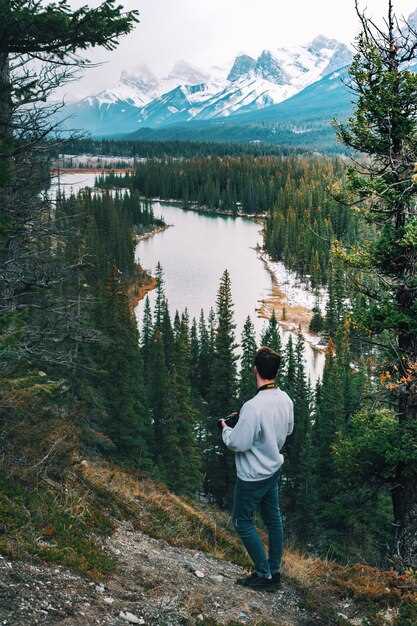
Welcome to your ultimate guide for an unforgettable journey along the breathtaking Blue Ridge Parkway, a place where the magic of nature meets rich Appalachian culture. Stretching for miles, this iconic roadway crosses through stunning gorges and rolling hills, offering visitors the chance to experience the vibrant vibes of the region. Whether you’re planning to visit museums in Lexington or head to the local vineyards in Crozet, every stop reveals a new story waiting to be enjoyed.
As you embark on this adventure, it’s essential to note that the Blue Ridge Parkway is not just a route; it’s an experience. Each summit presents a stunning view, especially during early evening hours when the sunset casts a warm glow on the meadows below. Ensure you have your snacks packed for those spontaneous detours, as there are countless lookout points that deserve further exploration. The area is filled with local businesses that respect the land and offer unique cuisines to taste along the way.
With ideal accommodations ranging from rustic lodges to mid-range hotels, planning your trip has never been easier. As you chart your course, consider stopping by the various wineries and parks that dot the landscape, providing ample opportunities for outdoor recreation. Your Blue Ridge Parkway adventure will become a cherished story, filled with moments that create lasting memories, as there is truly something for everyone in this remarkable destination.
Understanding Seasonal Closures
Traveling along the Blue Ridge Parkway offers breathtaking overlooks and scenic hikes, but it’s essential to understand the seasonal closures that can impact your adventure. This parkway stretches through the northwest Appalachian Mountains, providing diverse recreation opportunities throughout the year. However, certain sections may be inaccessible due to weather conditions, particularly in winter.
During the colder months, particularly from November to March, snow can create a significant shortage of accessible trails and overlooks. Some hikes, like the ones leading to prominent lookout points such as Grandfather Mountain, are likely to be closed or require extra caution. Regular updates will provide information on which areas are currently open for exploration.
In addition to winter closures, sections of the parkway close for maintenance or natural weather events. It’s essential to check ahead to ensure you can access your desired destinations. Many business centers along the route can offer real-time updates, and advanced planning can make your escape to the mountains much smoother.
Visitors should also consider the weekdays and weekends for their trip. The best time to spot picturesque autumn foliage and enjoy the hiking activities is around mid-October when the leaves change colors. Dozens of wineries and breweries situated along the parkway make for rewarding stopping points after a long hike.
Overall, understanding closures and planning your trip accordingly will enhance your Blue Ridge Parkway experience. Always remain aware of weather forecasts and any alerts regarding trail conditions to make the most of your trip.
What Causes Seasonal Closures on the Parkway?
The Blue Ridge Parkway is a beautiful stretch of road that offers stunning views and diverse experiences throughout the year. However, seasonal closures are necessary for various reasons, ensuring safety and preservation of this iconic landscape.
- Elevation: The Parkway spans different elevations, which affects weather conditions. Higher elevations may experience snow or ice well into spring, causing potential hazards for drivers and cyclists.
- Wildlife: Seasonal changes influence wildlife activity. Mating or migration seasons might lead to increased animal crossings, especially at dusk and dawn. Areas with known wildlife patterns might see temporary closures for safety.
- Conditions Météorologiques : Adverse weather, including heavy rain or snow, can make travel difficult. Parks closely monitor conditions, and when necessary, sections may close until the weather improves, ensuring visitors’ safety.
- Maintenance : Essential maintenance work occurs during off-peak seasons. Regular inspections and repairs help keep the Parkway in good condition. Campsites and viewpoints might be closed temporarily to facilitate this work.
- Road Conditions: Flooding and landslides can occur after heavy rains in specific sections. Detours might be implemented until those road conditions are safe again.
Visitors should check the Parkway’s official website for real-time updates on closures before planning their trips. Locations such as Beckley, Winston-Salem, and Galax offer alternative activities if sections of the Parkway are inaccessible. By being informed and prepared, travelers can still have an unforgettable experience on the beautiful Blue Ridge Parkway.
How Weather Affects Accessibility
Weather significantly influences accessibility along the Blue Ridge Parkway, shaping experiences for visitors eager to explore its scenic beauty. Conditions can vary greatly, impacting everything from driving routes to access to museums and arts centers. During peak seasons, popular spots might be crowded, but weather can deter some people from going, making off-peak visits more ideal.
Temperature and precipitation can affect elevations, particularly in the ridge areas where conditions change rapidly. For instance, fog and rain can reduce visibility at overlooks, giving a cozier feel to the parkway but potentially leading to missed views. Cyclists and motorists should note that interstates, such as I-64, might offer more convenience but won’t provide the same breathtaking experiences as the parkway itself.
As you plan your route and stops, be aware of weather forecasts. A three-hour detour could turn an already lengthy drive into an all-day commitment if unexpected storms arise. Always check whether your chosen inns and properties are open and ready to welcome guests during inclement weather. Some visitors might enjoy a warm bowl of soup after a day of exploring farms or enjoying local wines in towns like Waynesville, while others find comfort in staying close to indoor attractions when the weather turns.
Weather can also affect seasonal events and performances in historic areas. Such gatherings might be relocated indoors or canceled, altering your plans. An orange sunset at a scenic overlook can be a magical experience, but losing the chance to witness that beauty may require flexibility in your trip. By staying informed about weather patterns, you can create a well-rounded itinerary that balances your interest in outdoor adventures and cozy indoor experiences.
In summary, successful navigation of the Blue Ridge Parkway hinges on the understanding that weather conditions directly impact accessibility. Adapting your plans and being prepared for varying circumstances ensures that you won’t miss out on any of the parkway’s charming spots and enriching experiences.
Typical Dates for Seasonal Closures

The Blue Ridge Parkway, a scenic route that stretches across multiple states, is known for its stunning landscapes and diverse recreational opportunities. However, it’s important to be prepared as there are seasonal closures that can affect your adventure. Typically, campgrounds and certain overlooks may close during winter months due to snow and icy conditions. The closures generally start in mid-November and can last until mid-April, varying by elevation and weather conditions.
For instance, areas like Waterrock Knob and the Oconaluftee Visitor Center are usually open, but some trails may become exposed as winter progresses. It’s advisable to check specific locations in advance, as not all parks along the Parkway operate under the same schedule. Historic places like the Brinegar Cabin or craft boutiques in nearby villages like Crozet may have different closing dates, often influenced by holiday seasons.
For a fulfilling experience, plan your itinerary around these closures. The southwest portion of the Parkway, featuring spots like Mount Mitchell, remains open longer, usually offering breathtaking views during fall, making it an excellent time for those scenic stops. If you’re traveling in winter, be ready for potential delays due to snow–but the peaceful landscape can be worth it. The adventure doesn’t stop here; connect with local rental services in downtown Charlottesville for a cozy stay or find internet hotspots in nearby towns to keep your travel guidebooks handy.
As you create your list of must-see stops, remember to include viewpoints that enhance your experience, especially at sunset. Along the Parkway, about 20-minute stops, such as riverside picnic areas, provide much-needed breaks and the opportunity to appreciate the scenic beauty around you. Regardless of the season, there’s always something special waiting for you, whether it’s a clear view of planets above or the local wines for your palate. Being prepared for seasonal closures will ensure that your Blue Ridge Parkway trip becomes a cherished memory.
Plan Ahead: Tools to Check Current Conditions

When planning your ultimate Blue Ridge Parkway adventure, it is essential to check current conditions well in advance. This scenic roadway spans various sections, from the little towns nestled along the east-west axis to the vibrant city attractions in the southwest. Before you go, consider using online resources to ensure you have the best experience possible.
Start by visiting the official Blue Ridge Parkway website, where you can find updates on road conditions, closures, and any ongoing maintenance. This is particularly important during printemps when trails and scenic drives can be impacted by weather. Knowing the conditions will help you avoid rough patches and choose the optimal mileposts to visit.
Additionally, local weather apps can provide timely information about changing conditions and forecasts for both the Cherokee area and broader regions surrounding the parkway. These alerts will be crucial for planning hikes in the cozy meadows and along stunning tree-lined trails.
Another great tool is social media. Follow regional pages and hashtags related to the Blue Ridge Parkway to see real-time updates from fellow travelers sharing their experiences. This can help you discover hidden gems, such as quaint restaurants or beautiful viewpoints to catch the sunset.
If you are considering a stop in a nearby village or farmhouse for a meal, look for local recommendations on dining options that offer delicious sandwiches or vibrant dinners. Many local boutiques and shops have unique offerings that can enhance your visit beyond the spectacular views.
Finally, don’t forget notifications of any events occurring during your travel dates. The Blue Ridge Parkway often has community events that may interest you, such as performing arts and cultural exhibitions that can enrich your time, whether you’re exploring the highlands or experiencing the tranquility of a scenic drive.
By planning ahead and utilizing these tools, you will not only ensure a smooth trip along the Blue Ridge Parkway but also maximize each experience, making your getaway a memorable one.
Best Times to Visit the Blue Ridge Parkway
The Blue Ridge Parkway offers something for everyone, making it a fantastic destination year-round. However, the best times to visit can vary based on what you are looking for. Each season provides a unique experience, with its own charm and offerings.
Spring (March to May) is an excellent time for outdoor sightseeing. As the temperatures rise, vibrant wildflowers bloom throughout the park, creating a picturesque landscape. Historic inns in areas like Beckley offer cozy stays, making it the perfect backdrop for enjoying fresh pastries at local restaurants. Peak blooms typically occur in April, so consider this time for a colorful excursion.
Summer months (June to August) are popular among drivers who want to escape the heat and enjoy cooler air at higher elevations. It is an ideal time for hikers, with larger trailheads accessible and excellent weather for outdoor activities. While the parkway can be busy during peak tourist season, vibrant festivals in nearby downtowns provide opportunities to experience the local culture. Be prepared for occasional detours and keep your schedule flexible.
Autumn (September to November) is perhaps the most recognized time for a visit, as the Appalachian Mountains transform into a magnificent display of fall foliage. From milepost to milepost, the colors can vary significantly, creating a stunning drive. This is an ideal time to experience the historic cove areas that tell the story of the region’s history.
Winter (December to February) offers a quieter experience, with fewer visitors and a peaceful atmosphere. However, keep in mind that some sections of the parkway may close due to snow or ice. If you enjoy the serenity of a snow-dusted landscape, this time can be magical. Smaller hotels and inns often offer special winter rates, making it easier to plan a getaway.
Regardless of season, the Blue Ridge Parkway continues to inspire those who visit. Each trip can be paired with personal interests, whether that’s hiking, photography, or simply enjoying the scenic views. To truly appreciate its beauty, jump into the experience, explore the stories hidden along the parkway, and hear the whispers of history that still echo throughout this remarkable route.
| Saison | Points forts | Activités |
|---|---|---|
| Spring | Floraison de fleurs sauvages, temps clément | Hiking, visiting historic inns |
| Été | Cooler mountain temperatures | Outdoor activities, festivals |
| Autumn | Fall foliage, vibrant colors | Randonnées panoramiques, photographie |
| Hiver | Peaceful atmosphere, snow-covered landscapes | Skiing, cozy retreats |
Spring Blooms: When to See Wildflowers
As spring arrives, the Blue Ridge Parkway transforms into a vibrant canvas of wildflowers, making it an ideal time for nature enthusiasts to explore this scenic route. From early April to late June, visitors can witness a spectacular display of flora across several states, with hundreds of species blooming in meadows and forests.
In the early spring, one can expect to see the first bursts of color from species such as Trillium and Dogwood. By mid-April, the Parkway showcases a plethora of blossoms, including the famed Rhododendron, which usually peaks around late May. This period offers a true demonstration of nature’s beauty, as rolling hills and mountain tops come alive with color.
For those planning a trip, consider pairing your wildflower adventure with a stay at one of the nearby campgrounds, like those around Waynesville or Dillsboro, which offer excellent access to the Parkway. These campgrounds serve as a perfect base for a 20-minute drive to the most popular stops and hiking trails. Remember to be prepared with your camera, as the wildlife also flourishes during this season, providing ample opportunities for stunning photography.
Traveling along the Parkway, make sure to stop at various mileposts where interpretive signs highlight local flora and fauna. Each stop immerses you deeper into the natural beauty that the area has to offer. Attractions like the Skyline Drive and nearby parks amplify the experience, enriching your understanding of this region’s unique ecosystem.
Whether you’re planning a short day trip or an extended stay, experiencing the spring blooms along the Blue Ridge Parkway is a gift in itself. So pack your essentials, jump into spring adventures, and immerse yourself in the rich tapestry of colors nature has to offer.