


 Français
  English (UK)
  Русский
  বাংলা
বাংলা  العربية
  日本語
日本語  한국어
한국어  Magyar
  Norsk nynorsk
  Türkçe
  עִבְרִית
  Español
  Čeština
  Svenska
  Português
  Ελληνικά
  Suomi
Suomi  Nederlands
  Română
  Italiano
  Polski
  Українська
  Deutsch
  简体中文
简体中文  Slovenčina
  Српски језик
  اردو
اردو  Azərbaycan dili
  O‘zbekcha
  አማርኛ
አማርኛ 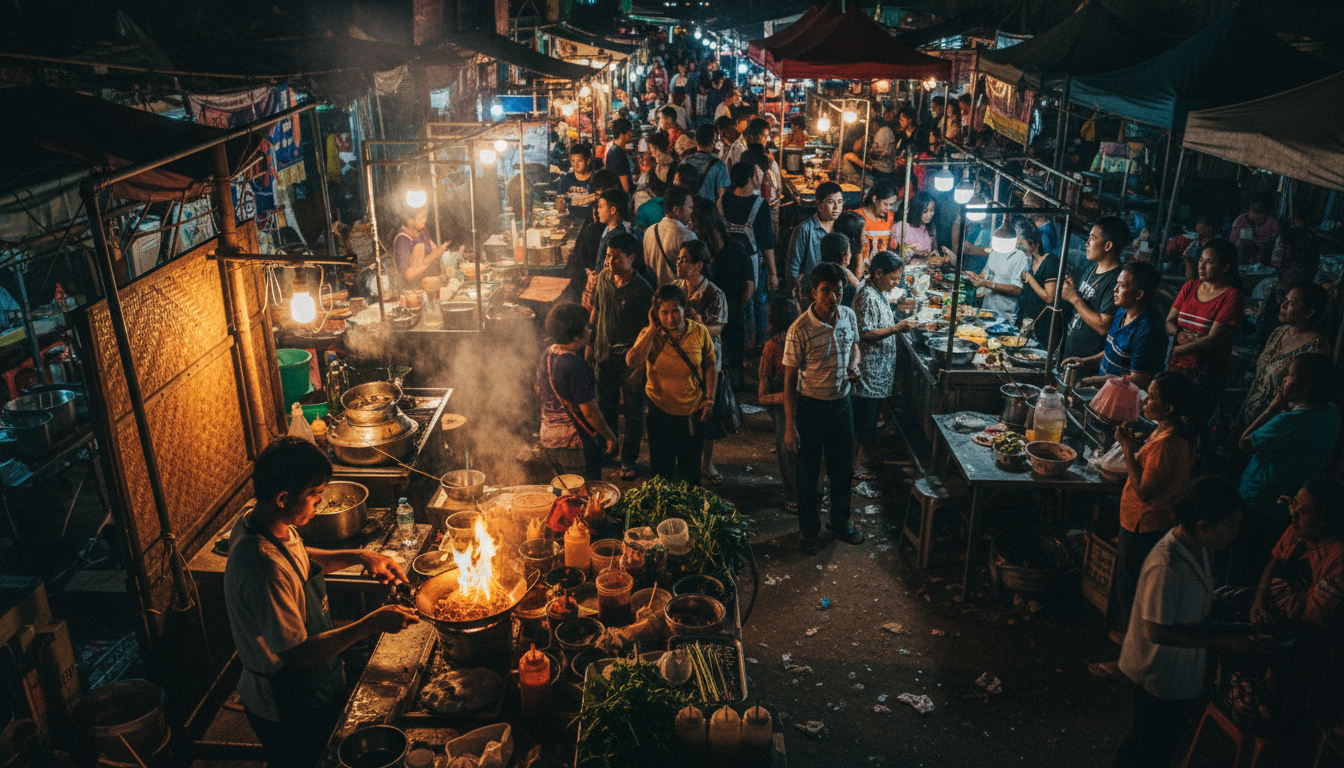 Night Markets and Global Street Food Adventures: The Culinary Heartbeat of the World">

For the global traveler seeking an authentic and vibrant experience, there is no better destination than a local night market. These bustling, illuminated hubs are far more than just places to shop; they are the true culinary, social, and cultural heartbeats of cities across Asia, Latin America, and beyond. Night markets and global street food adventures offer an unparalleled opportunity to taste local flavors, witness community life, and engage directly with the culture of a destination. The sensory overload—the sizzling sounds, the rich aromas, and the kaleidoscopic colors—makes this an essential element of any comprehensive travel itinerary.
The Cultural Significance of Night Markets
The longevity and popularity of night markets stem from their deep-rooted cultural significance. They often represent a communal gathering space, a historical center of commerce, and a nightly theatrical performance of local life. Understanding this context elevates the experience beyond simple consumption.
Social Hubs and Community Life
Unlike formal restaurants, night markets are inherently egalitarian spaces. They bring together families, friends, tourists, and locals from all walks of life. This atmosphere fosters an organic, spontaneous social environment. In many cultures, the evening meal is the most important of the day, and the night market provides the perfect setting for this shared experience. Walking through the stalls, travelers can witness genuine local interactions, from the negotiation of prices to families sharing communal tables. This insight into authentic community life is what makes night markets and global street food adventures so compelling for travelers seeking depth.
History of Commerce and Trade
Many night markets originated as informal trading posts that flourished after the main markets closed. Historically, they served as a critical source of food for working-class populations who could not afford to eat out during the day. Today, while they have evolved into major tourist attractions, they retain the spirit of spontaneous, decentralized commerce. They offer travelers a chance to support small, independent vendors directly, often family-run businesses that have perfected a single dish over generations. This connection to the culinary past is a defining feature of the night market experience.
Navigating the Global Street Food Landscape
The true star of the night market is the food itself. Street food is typically characterized by high speed, low cost, and hyper-regional authenticity. Knowing how to navigate this diverse landscape is key to maximizing the culinary adventure.
Signature Dishes and Hyper-Local Specialties
Every night market, even within the same city, tends to have its own unique culinary specialties. Successful street food adventures involve seeking out the stalls with the longest lines, which usually indicate the highest quality and most authentic dishes. In Taipei, this might be stinky tofu; in Marrakech, it might be tanjia; and in Bangkok, it is almost certainly a variation of Pad See Ew. These stalls often specialize in just one or two items, allowing the vendor to achieve mastery over that dish. Travelers should be brave enough to look beyond the familiar and try the hyper-local specialties that define the market.
Health, Safety, and Trusting Your Instincts
While the appeal of night markets and global street food adventures is undeniable, travelers should exercise common-sense caution regarding hygiene. A good rule of thumb is to eat where the locals eat and to choose stalls where the food is cooked to order, hot, and constantly moving. Avoid pre-cooked foods that have been sitting out for long periods. Furthermore, observe the vendor’s practices: do they handle money and food separately? Is the prep area clean? Trusting your instincts is paramount, but in general, high turnover ensures freshness, making most popular street food stalls safer than one might initially assume.
Beyond Food: Entertainment and Shopping
Night markets offer a complete evening experience that extends beyond the culinary. They are vibrant hubs of spontaneous entertainment and unique shopping opportunities.
Artisan Crafts and Local Souvenirs
Many night markets feature sections dedicated to local artisans, offering everything from handmade jewelry and clothing to traditional crafts and unique art. This provides an excellent opportunity to find authentic, locally-produced souvenirs that support the community, moving away from mass-produced tourist trinkets. The atmosphere of a night market encourages leisurely browsing and friendly negotiation, which is a cultural experience in itself. Travelers who take the time to chat with the artisans often gain deeper insights into the culture and the significance of the crafts they are buying.
Live Music and Performance
The energy of a night market is often amplified by impromptu performances, including street musicians, traditional dancers, and sometimes even karaoke singers. These elements contribute to the festive atmosphere, transforming the market into a true social event. Taking a moment to sit, eat, and absorb the sounds and sights is an essential part of the night market and global street food adventures experience. It is a chance to see the creative spirit of a city on display, often outside the confines of formal theaters and concert halls.
Mastering the Night Market Etiquette
A few simple etiquette rules can enhance the enjoyment of these busy environments and ensure respectful interaction with vendors and fellow patrons.
Cash, Negotiation, and Touts
While some larger, modernized night markets accept digital payments, cash is king for most street food vendors. Always carry small denominations to facilitate quick transactions. Negotiation is often expected, particularly when buying non-food items, but it should be done respectfully and with a smile—never aggressively. Finally, be wary of aggressive touts who try to pull you into their stalls; the best experiences are usually found by wandering independently and discovering hidden gems based on observation and local crowd size. Embracing these minor challenges is part of the charm of night markets and global street food adventures.