


 Français
  English (UK)
  Русский
  বাংলা
বাংলা  العربية
  日本語
日本語  한국어
한국어  Magyar
  Norsk nynorsk
  Türkçe
  עִבְרִית
  Español
  Čeština
  Svenska
  Português
  Ελληνικά
  Suomi
Suomi  Nederlands
  Română
  Italiano
  Polski
  Українська
  Deutsch
  简体中文
简体中文  Slovenčina
  Српски језик
  اردو
اردو  Azərbaycan dili
  O‘zbekcha
  አማርኛ
አማርኛ 
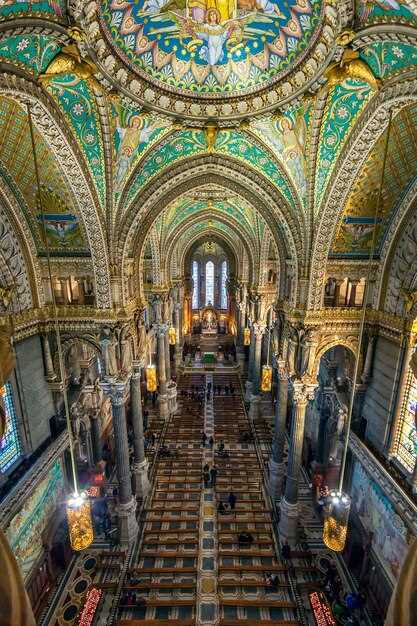
The Basilica of Sant’Eustorgio, a gem of Romanesque architecture in Milan, holds within its walls a rich tapestry of history and artistry, showcasing the profound influence of the Three Kings. This sacred space, traditionally associated with the journey of the Magi, enshrines the tomb of these iconic figures, providing a focal point for pilgrims and curious visitors alike. As we delve into the historical and cultural significance of this site, we uncover how it became a magnet for thousands, embodying a deep connection to both the religious identity and the artistic expression of Italian heritage.
Active exploration and discovery await in the naves of Sant’Eustorgio, where fragments of the past are visible in the dramatic style of its artwork. The church, designed by the renowned architect Piero Pisano, transports visitors beyond the ordinary, inviting them to witness the legacy of the Three Kings. Their homage is not only reflected in the intricate mosaics that adorn the basilica but also in the enduring narratives that have been shared through the ages, each telling its own story of faith and devotion.
Throughout the years, the Church has attracted students of history, art, and religion, each stopping to absorb the treasures contained within. The influences of the Dominican order, alongside the rich history of Milan, strongly resonate in the architecture and ambiance of Sant’Eustorgio, creating a space where learning and spirituality collide. As we explore further, we will look into how the images of the Three Kings have shaped not only the identity of this illustrious church but also the broader historical narrative of the region and the world, securing their place as timeless symbols of worship and reverence.
The Historical Context of the Three Kings
The Three Kings, often depicted in art and literature, are deeply rooted in the religious and political history of medieval Milano. Their influence is linked to the ancient practices of honoring saints, which were particularly active during the Visconti era. This powerful family ruled the city and transformed it into a center of splendor and cultural exchange, with the Basilica of Sant’Eustorgio being a significant site. It is here that the tombs of these revered figures, represented through evocative frescos, are clearly marked, and there are thousands of stories surrounding their journeys. The search for these kings, traditionally celebrated on a Friday, leads to a fusion of faith and intrigue, accentuated by the bell tower that signifies the enduring faith of the city.
However, the significance of the Three Kings extends beyond mere art; it reflects the typical Tuscan influence on Milano’s cultural landscape. The legend of these figures is believed to have been enriched by the likes of Piero della Foppa and other prominent artists who captured their narratives, ensuring the memory of their contributions persists through the ages. The Basilica itself holds a sarcophagus containing crucial relics that are often mentioned in historical documents, providing trustindex for the authenticity of these tales. The tower and the surrounding Naviglio area serve as a backdrop that intertwines ancient and contemporary Milano, showcasing the depth of history that continues to resonate within this remarkable city.
Who Were the Three Kings and Where Did They Come From?
The Three Kings, also known as the Magi or Wise Men, are fascinating figures in Christian tradition, often linked to the Nativity story. They are typically identified as Gaspar, Melchior, and Balthazar. These kings are believed to have hailed from the East, specifically from regions such as Persia, Arabia, or even farther, linking them to the Roman Empire’s diverse and colorful cultural tapestry. Over the centuries, their stories have changed, reflecting new interpretations and regional habits.
In the context of the Basilica of Sant’Eustorgio in Milan, their significance is amplified by the presence of remarkable frescoes and artworks that depict their journey. These visual representations are rich in detail, capturing the moment of their arrival at the stable in Bethlehem. The sculptor Balduccio is known for his evocative creations linked to the Magi, enhancing the religious aura surrounding their commemoration during the feast of Epiphany.
As the centuries progressed, the tradition of the Magi’s search for the Christ child remained constant, leading to a deep-seated fascination among people in Italy and beyond. In Milan, this fascination is evident in the architecture and religious practices surrounding the kings. The Duomo and its associated structures illustrate how the presence of the Magi permeated the city’s cultural and religious identity, manifesting in yearly processions that commemorate their visit to Jesus.
Throughout history, the relationship between the Three Kings and cities like Florence and Milan becomes a topic of exploration for countless artists and storytellers. These individuals sought to capture the essence of the Magi through art, literature, and theatrical performances. Their costumes, adapted to Italian customs, reflect both local artistry and the broader European trends of the time, showcasing a fusion of styles that makes each portrayal uniquely captivating.
Today, the legacy of the Three Kings at the Basilica of Sant’Eustorgio continues to attract thousands of visitors, guiding them through a religious journey steeped in heritage. Their story not only holds historical significance but also serves as a testament to the enduring power of art and tradition in shaping collective memory within the vibrant fabric of Milanese culture.
How Do Their Stories Relate to Milan’s Religious Heritage?
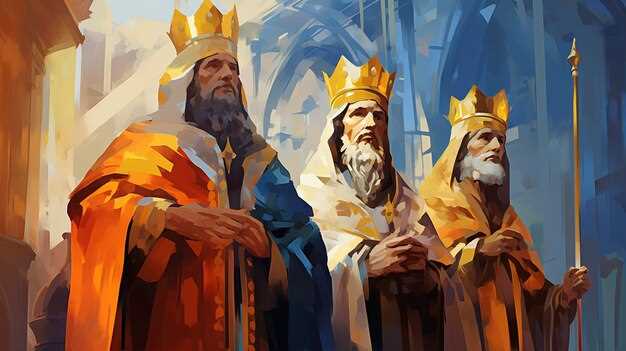
The narratives surrounding the Three Kings are deeply intertwined with Milan’s rich religious traditions. Traditionally, these figures represent not only the universality of Christ’s message but also the diverse influences that shaped the city itself. Each King, adorned in elaborate costumes that reflect their respective regions–Caspar from the East, Melchior from Europe, and Balthazar from Africa–embodies the exchange of cultural and spiritual values that occurred through centuries of trade and pilgrimage.
Milan, a city with deep roots in Romanesque and Gothic architecture, stands as a testament to the extensive religious history that has influenced Italian culture. The Basilica of Sant’Eustorgio, where the relics of the Three Kings are said to rest, embodies this legacy. Through its design and artworks, including those by notable artists like Pigello, visitors can discover fragments of the city’s spiritual evolution, revealing how events like the procession of the Magi were celebrated in grand style.
- The influence of the Lombard tradition is apparent in the Basilica’s architecture, reflecting a blend of local styles with elements seen in Florence, influenced largely by the works of Brunelleschi.
- As the Three Kings are often depicted alongside various saints, their stories can be seen as part of a broader narrative that combats heresies and reinforces doctrinal beliefs within Milan’s medieval community.
- Today, the city’s inhabitants, from bankers to artists, take pride in this historical heritage, viewing it not just as a distant past, but as a vital part of Milan’s identity.
The significance of the Three Kings goes beyond historical events; they symbolize a constant interplay between faith and culture. Events such as the annual procession not only rekindle these ancient stories but also reinforce the city’s sense of community and shared beliefs. By engaging with these traditions, Milanese citizens connect with their past while inviting new generations to explore their spiritual heritage.
Ultimately, the stories of the Three Kings provide a lens through which one can examine Milan’s development as a religious and cultural hub in Italy. Therefore, as visitors and locals alike visito the Basilica of Sant’Eustorgio, they are encouraged to look deeper into how these tales of the Magi are not merely relics of history, but living narratives that continue to influence the city’s spiritual life today.
What Historical Events Shaped Their Representation in Art?
The representation of the Three Kings in art has been profoundly influenced by various historical events, particularly during the medieval period. Following the Constantin era, where Christian symbolism became prominent, the story of the Magi was integrated into the larger narrative of Christian pilgrimage. The Basilica of Sant’Eustorgio in Milan became a significant site due to its association with the relics of the Three Kings, causing a surge in artistic depictions that emphasized their spiritual significance. Frescos created during this time often depicted the Kings adorned in elaborate costumes, reflecting not only their royal status but also the cultural roots of the regions they represented.
As the church sought to reinforce its influence, the eventsviale of the Crusades brought a renewed interest in relics and pilgrimage, enhancing the presence of the Magi in sacred art. This connection was marked by the transfer of the Kings’ relics to various sites, with artists inspired to create dramatic representations that encapsulated the spiritual journey of the Magi. The depiction of these figures in breathtaking detail, including the use of dappled light through architectural elements like the tour et intérieur arches of churches, became commonplace, allowing worshippers to visualize the journey and foster a deeper connection to their faith.
The persistent waves of heresies during this era also played a role in shaping the iconography of the Magi. Each artistic portrayal sought to combat skepticism and reinforce Catholic orthodoxy by presenting the Kings not only as historical figures but as divine agents of peace and purpose. Santeustorgio‘s art captured the expérience of faith through its vibrant frescos and sculptures, ensuring that the Magi’s story remained prominent in the collective memory. Over the years, the narrative of their journey has evolved, resonating through the ages and emphasizing the enduring significance of these characters in both art and culture.
The Basilica of Sant’Eustorgio: An Overview
The Basilica of Sant’Eustorgio, a historic church in Milan, holds a significant place in the religious and cultural landscape of the city. Known for its unique architecture and rich history, this basilica became a vital site for pilgrims and locals alike. It serves as a testament to the deep-rooted traditions associated with early Christianity in this part of Italy.
Originally founded in the 4th century, the church was rebuilt in the 12th century, showcasing the artistic influences of the time. The interior is beautifully decorated with frescoes and artistic fragments, reflecting styles that evolved over centuries. Notably, the works of Piero and Balduccio can be seen here, enhancing the artistic bond between the church and its patrons.
The basilica is also home to the renowned sarcophagus of Saint Eustorgius, which enshrines the remains of Milan’s first bishop. This sacred site has attracted thousands of visitors who seek to pay their respects and explore its treasures. The altar, adorned with exquisite details, becomes a focal point of devotion, showing the church’s importance within the greater spiritual community.
Set in the vibrant Piazza Sant’Eustorgio, the basilica marks a historic crossroads of cultures. It has been a gathering place for various religious procession, drawing participants from different backgrounds to celebrate shared beliefs. This sense of unity transcends time, with the church remaining relevant to contemporary society.
Built using techniques that have been refined through generations, the structure exemplifies the architectural brilliance of its time. Influences from famed architects, like Brunelleschi, echo throughout the design. The capitals on the columns invite visitors to look up and appreciate the craftsmanship that went into creating such a magnificent space.
However, the significance of the basilica extends beyond its architectural beauty. It represents a history of faith, struggle, and perseverance, reflecting the city’s evolving identity. The many layers of history within its walls tell a story of resilience, drawing in students and scholars eager to understand Milan’s past.
As a vital part of the city’s historic fabric, the Basilica of Sant’Eustorgio continues to inspire deep reflection and devotion. Its presence remains a constant reminder of Milan’s rich spiritual journey. Visitors are invited to explore the intricate details of the church, engaging with the captivating stories enshrined within this iconic structure.
The basilica not only serves as a place of worship but also as a cultural landmark, bridging the past and present. Through ongoing events and exhibitions, it welcomes both locals and tourists, ensuring that the legacy of Sant’Eustorgio is celebrated for generations to come.