


 Français
  English (UK)
  Русский
  বাংলা
বাংলা  العربية
  日本語
日本語  한국어
한국어  Magyar
  Norsk nynorsk
  Türkçe
  עִבְרִית
  Español
  Čeština
  Svenska
  Português
  Ελληνικά
  Suomi
Suomi  Nederlands
  Română
  Italiano
  Polski
  Українська
  Deutsch
  简体中文
简体中文  Slovenčina
  Српски језик
  اردو
اردو  Azərbaycan dili
  O‘zbekcha
  አማርኛ
አማርኛ 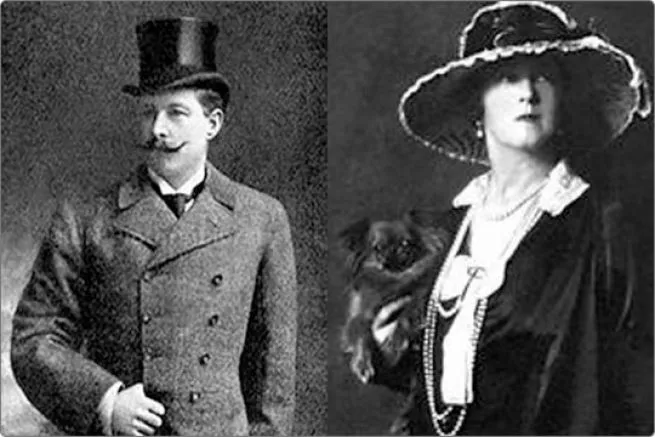 How Lifeboat No. 1 Earned the “Millionaire’s Boat”: The Duff‑Gordon Account">

RMS Titanic carried 20 lifeboats with a designed capacity of about 1,178 people while the ship’s total complement exceeded 2,200, creating an immediate logistics shortfall when evacuation began; lifeboat No. 1, rated for 40, was launched with only 12 aboard at roughly 01:15, a detail that crystallized later controversy over boarding priorities and rescue procedures.
Deck operations and the moment of alarm
When the alarm spread through first-class cabins, accounts from passengers in the Duff‑Gordon party show the contrast between cabin-level perceptions and deck-level reality. Lucy Duff‑Gordon reported being roused from bed by an unfamiliar rumbling, followed by the sound of steam escaping and people running past cabins. Mabel Francatelli, the Duff‑Gordons’ secretary, noticed water on deck E and ascended to the upper deck, encountering lifebelts and crew preparing boats.
Sequence of actions on the starboard side
- Initial assessment: Crew lowered boats to starboard and called for women and children to board.
- Local crowding: Passengers rushed toward lifeboats; some confrontations among lower-deck crews were reported.
- Lifeboat No. 1 launch: The boat was swung out and dropped with 12 passengers and seven crew, rather than near-full complement.
Who boarded lifeboat No. 1
Among those in lifeboat No. 1 were Sir Cosmo Duff‑Gordon and Lady Lucy Duff‑Gordon, Elinor Glyn, Mabel Francatelli, Abraham Lincoln Salomon, and two Americans identified as Mr. Stengel and Mr. Solomon. The lifeboat also carried seven crew members, some of whom were stokers and firemen. The decision not to return for additional survivors in the water later became the subject of intense media scrutiny and an official inquiry.
Controversy and compensation claims
After the ship sank around 02:20, testimony from crew members such as Robert Pusey described exchanges in the lifeboat about lost wages and possessions. Sir Cosmo later authorized cheques of £5 to each crew member of lifeboat No. 1 once rescued by Carpathia around 04:10, a gesture reported by the press as a reward for failing to attempt further rescues; the lifeboat was quickly dubbed the “Silver Boat” or the “Millionaire’s Boat.”
Operational and ethical lessons at a glance
| Item | Détail |
|---|---|
| Lifeboat No. | 1 |
| Capacité | 40 persons |
| Launched with | 12 passengers + 7 crew |
| Launch time | Approx. 01:15 |
| Sauvetage | Picked up by RMS Carpathia ~04:10 |
Human behavior and evacuation management
Accounts from the Duff‑Gordon group show several recurring themes relevant to modern maritime safety: the role of clear command, the tension between individual survival instincts and organized evacuation, and how socioeconomic status influenced access to escape routes. The crowd dynamics described—pushing, trampling, and frantic boarding attempts—underscore the need for robust evacuation drills and adequate lifeboat provisioning.
Implications for museum curators and maritime tours
For travel professionals and museum curators, the Duff‑Gordon testimony provides content for exhibits and guided narratives that contrast privilege and panic. When crafting visits to maritime museums or Titanic-themed exhibits, tour operators can use such firsthand accounts to illustrate lifeboat logistics, the sequence of events, and the larger regulatory changes that followed the disaster.
To have a mind to visit Titanic exhibitions or maritime heritage sites, choose experiences that include expert commentary and contextual logistics—this enhances understanding and empathy. For travelers interested in deeper context, guided museum tours, ship-model displays and audiovisual reconstructions turn abstract figures into human stories.
Highlights of the Duff‑Gordon episode include the stark mismatch between lifeboat capacity and ship population, the social dynamics aboard the starboard deck, and the public reaction that followed. Of course, even the most detailed reports and the most honest eyewitness accounts can’t replace personal experience. On GetExperience, you book your experience from verified providers at reasonable prices. This empowers you to make the most informed decision without unnecessary expenses or disappointments. Enjoy convenient, transparent bookings, secure payments with voucher confirmation, and the option to request tailored tours or excursions that match your interests — Book your TripGetExperience.com
In sum, the Duff‑Gordon narrative reveals logistics failures, human choices under duress, and how class affected survival outcomes. These takeaways matter not only to historians but to travel planners designing educational experiences: from museum tours with live guides to interactive cultural workshops and cruise packages that cover maritime history. Whether you seek museum tours with live guides, eco‑friendly wildlife safaris, luxury adventure travel experiences, or even interactive online cultural workshops, understanding the Titanic’s evacuation underscores the importance of safety, storytelling, and responsible tourism in shaping meaningful travel experiences.