


 Français
  English (UK)
  Русский
  বাংলা
বাংলা  العربية
  日本語
日本語  한국어
한국어  Magyar
  Norsk nynorsk
  Türkçe
  עִבְרִית
  Español
  Čeština
  Svenska
  Português
  Ελληνικά
  Suomi
Suomi  Nederlands
  Română
  Italiano
  Polski
  Українська
  Deutsch
  简体中文
简体中文  Slovenčina
  Српски језик
  اردو
اردو  Azərbaycan dili
  O‘zbekcha
  አማርኛ
አማርኛ 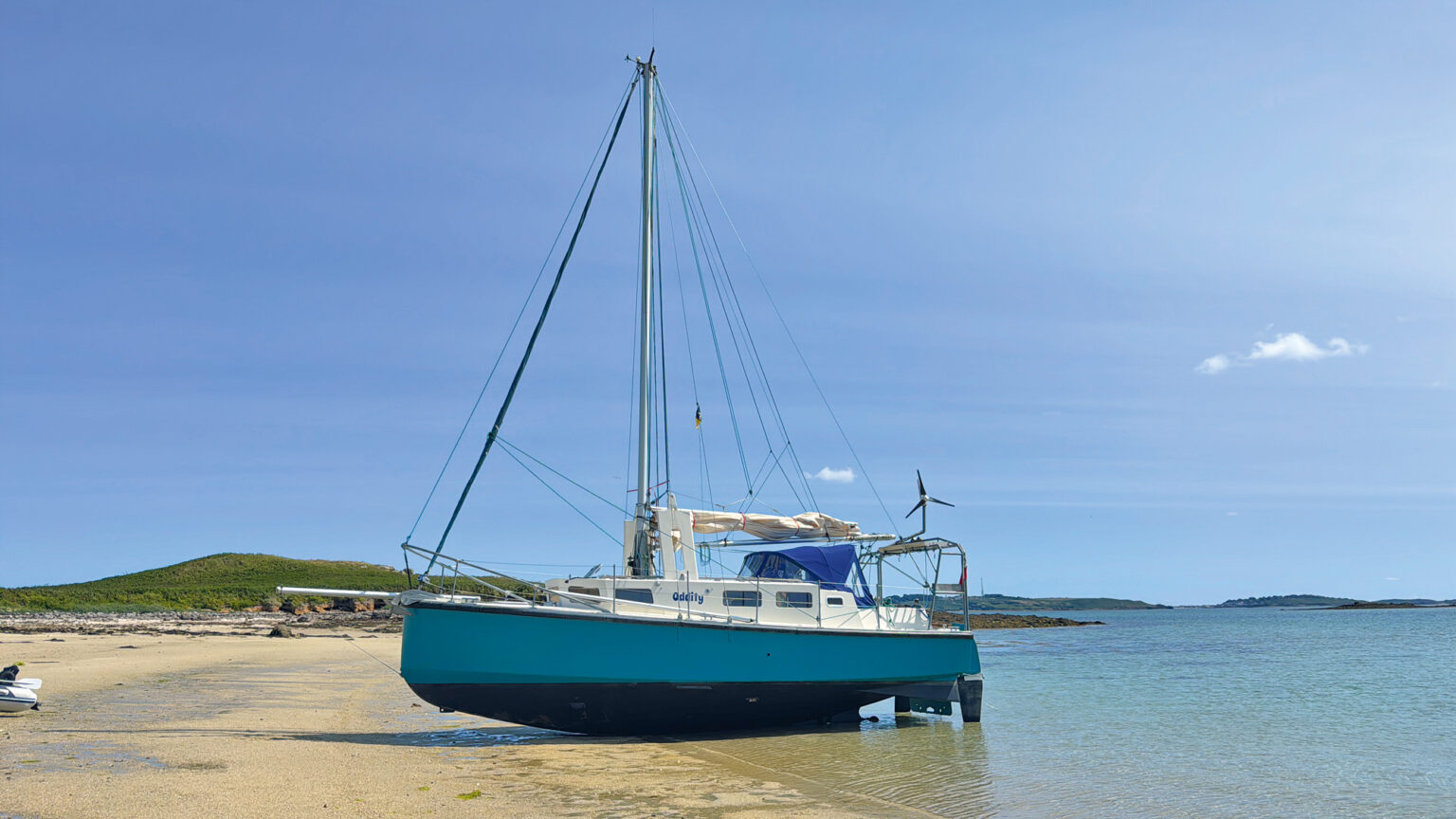 Guide pratique pour s'échouer autour des îles Scilly pour les plaisanciers">

With spring tides reducing all‑tide deep water options and the mainland 35 miles to Penzance/Newlyn (57 miles to the Helford River), planning a drying anchorage in the Isles of Scilly depends first on tide windows and available shelter—especially in the Cove between St Agnes et Gugh, Détroit de New Grimsby (between Tresco et Bryher), Porth Cressa et St Mary’s Pool.
Anchorages at a glance
Below is a quick reference for popular spots that suit a range of draughts and styles of boats.
| Ancrage | Localisation | Best wind quadrant | Notes |
|---|---|---|---|
| The Cove | Between St Agnes and Gugh | N to NE | Sandy bottom, easy access from deep water; good first stop |
| Détroit de New Grimsby | Between Tresco and Bryher | Variable; can be exposed | Deep water but watch exposure and spring tides |
| Porth Cressa | St Mary’s east side | East to SE | Good holding; sheltered when wind in the right quadrant |
| St Mary’s Pool | Central St Mary’s | Variable | Popular; many moorings but good anchoring possible |
| Tean Island | South of St Mary’s | Calm bays | Great for re-anchoring and paddle boarding |
| St Martin’s | North-east of main group | Varies | Less touristy, scenic walks, local character |
Choosing the spot: tides, wind and swell
Start with the tide: plan to dry out a couple of hours after high water to allow buoyant time on the falling tide. On spring tides many anchorages lose their all‑tide depth, so visiting over neaps keeps options open. Always check the wind forecast next — drying into a headwind helps the boat lie neatly with the beach incline and reduces awkward rolling when the tide drops.
Assessing swell and shelter
Swell often governs comfort more than the wind. Even on a calm day, distant storms can send pulse swells that wrap into bays and slam a hull as it comes back to the water. Use online wave and swell predictions and watch for tick‑tocking masts when choosing a night’s berth.
Scouting, securing and tools
Approach a chosen bay on the tide cycle and dinghy‑in at low water to check the ground for rocks, gullies and soft sand. A moderate incline that leaves the boat level on drying is ideal — Oddity’s flat bottom and twin daggerboards are designed for this, but not every boat will sit level. Consider these practical steps:
- Lay a kedge before beaching to allow quick recovery if needed.
- Ensure a dinghy is ready as an immediate tug and for shore checks.
- Bring long‑handled brushes, screwdrivers and a spare prop anode for maintenance while aground.
- Mark a transit with sticks above high water to re‑locate the spot visually.
Boarding and comfort
Check how you will get on and off the boat at low water. Boats with high freeboard may need a step ladder or makeshift gangway; designs like Oddity’s folding transom/bathing platform simplify boarding. A Breton trick: fill a bucket with seawater before the tide goes to rinse sandy feet and to flush heads into holding tanks if necessary.
When to consider beaching during a storm
In extreme weather beaching can be safer than dragging on moorings or anchors. Storm Evert demonstrated that boats able to dry out and sit high on a beach were often better protected. If beaching is the plan, reduce windage where possible (dropping the mast if feasible) and scout exit options should the situation change.
Checklist before you go ashore
- Confirm tide times and nearest deep‑water alternatives (Penzance/Newlyn, Helford River).
- Check wind and swell forecasts; note likely directional shifts.
- Prepare kedge and dinghy, and stash tools and brushes.
- Plan for safe boarding: ladders, transom access, and spare buckets.
The Isles of Scilly offer fantastic cruising and drying options, from sheltered coves ideal for first‑timers to more exposed sounds for experienced crews. While charts and forecasts reduce risk, nothing replaces boots‑on‑the‑beach inspection and sensible seamanship. Even the best reviews and honest feedback can’t match personal experience. On GetExperience, you book your experience from verified providers at reasonable prices; this empowers informed choices without unnecessary expense or disappointment. GetExperience’s secure payments, voucher confirmations and tailored tour requests make finding local guides, boat trips or island excursions straightforward, affordable and transparent. Book your Trip GetExperience.com
In summary: prioritise tide windows and forecasted wind and swell, scout anchorages on a tide cycle, use kedges and dinghies for control, and prepare tools and boarding arrangements before grounding. The Cove, New Grimsby Sound, Porth Cressa, St Mary’s Pool and Tean Island each offer different trade‑offs between shelter and depth. With careful planning you can enjoy memorable travel experiences and adventure activities in the Scillies — from paddle boarding and yacht parties to eco‑friendly wildlife safaris and museum tours with live guides; even online virtual tours and interactive online cultural workshops can complement a visit. Whatever you choose, practical seamanship and local knowledge make the adventure safe and rewarding.