


 Français
  English (UK)
  Русский
  বাংলা
বাংলা  العربية
  日本語
日本語  한국어
한국어  Magyar
  Norsk nynorsk
  Türkçe
  עִבְרִית
  Español
  Čeština
  Svenska
  Português
  Ελληνικά
  Suomi
Suomi  Nederlands
  Română
  Italiano
  Polski
  Українська
  Deutsch
  简体中文
简体中文  Slovenčina
  Српски језик
  اردو
اردو  Azərbaycan dili
  O‘zbekcha
  አማርኛ
አማርኛ 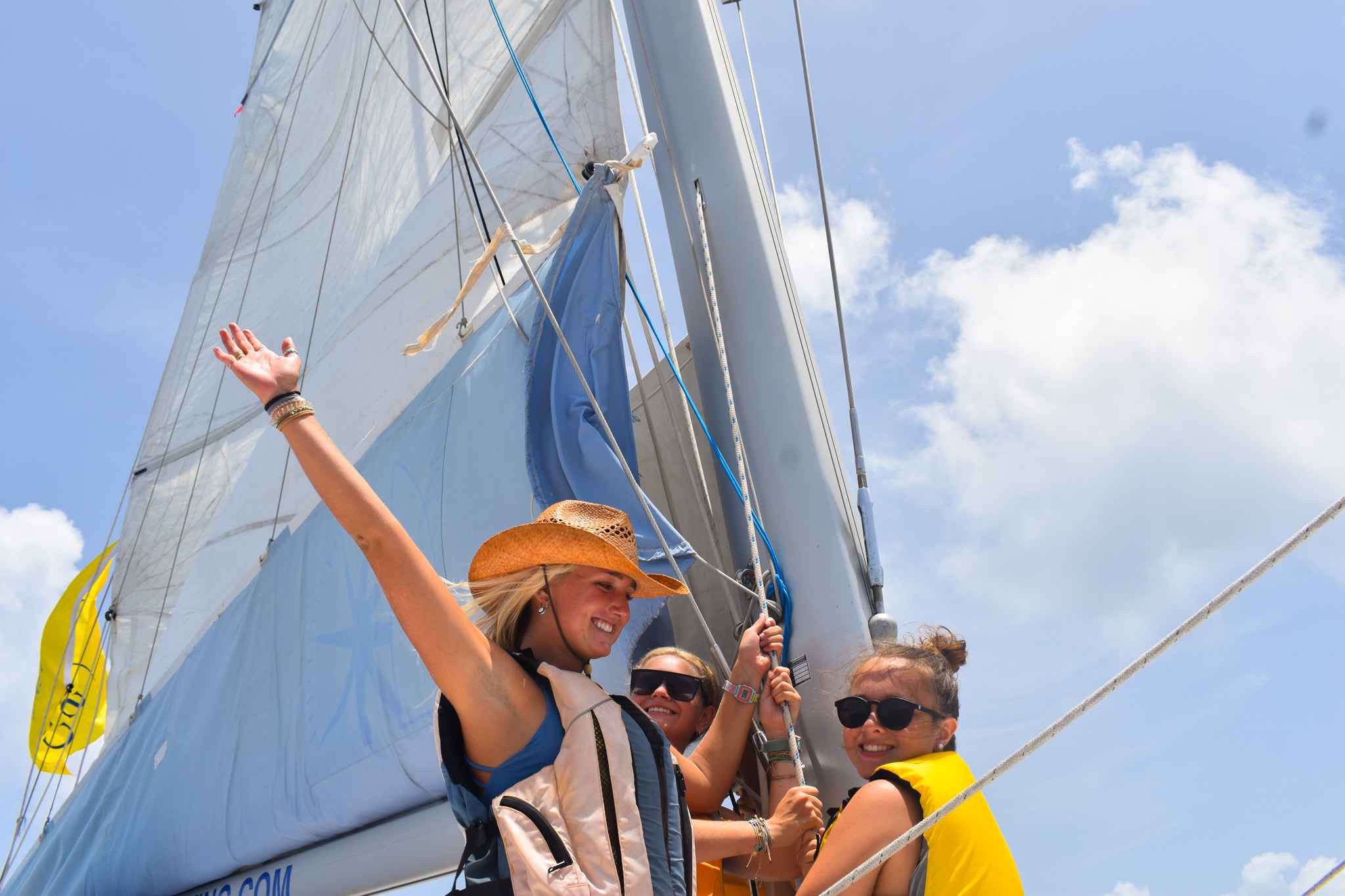 How Sailing Moves You: Practical Tips for Island Hopping and On-Deck Life">

Passage times between Tortola and Jost Van Dyke typically range from 30 to 60 minutes under steady trades; provisioning must account for fresh water, fuel margins, and a 10–20% time buffer for variable wind velocity and berth availability at popular anchorages like White Bay.
Sailing 101: How Wind and Sails Move a Boat
Sailing converts wind energy into forward motion by treating the sail as an airfoil. When wind flows across a well-trimmed sail, it generates lift and pressure differentials that pull the hull forward. Adjusting sail trim and angle of attack controls speed and heading.
Basic Physics on Deck
Key operational terms every crew should know include tack (the direction of the bow relative to the wind), trim (sail shape), and heel (lean of the boat). Efficient passages rely on anticipating wind shifts and selecting the best point of sail.
Tacking, Jibing, and Points of Sail
Tacking is the standard method to make upwind progress: the boat zigzags across the wind in a series of controlled turns. Jibing is the downwind counterpart and demands attention to the boom swing. Proper communication and timing make both maneuvers safe and swift.
The Anatomy of a Sailboat: Your Floating Basecamp
Understanding the main components turns nervous novices into confident crew. A quick familiarity with parts improves safety and efficiency when docking, anchoring, or reefing sails.
| Composant | Fonction |
|---|---|
| Coque | Buoyancy and internal accommodation |
| Quille | Provides lateral resistance and stability |
| Mainsail & Jib | Primary driving surfaces that capture wind |
| Mast & Boom | Support and control sail geometry; watch the boom |
| Gouvernail | Steering interface: wheel or tiller |
What’s the Difference? Sailing vs. Motor Boating
The two modes offer distinct experiences and logistics. Sailing prizes process and teamwork; motorboating prioritizes point-to-point speed.
- Voile: Quiet propulsion, fuel-efficient, dependent on weather and crew coordination.
- Motor boating: Predictable timing, faster transits, higher fuel consumption and mechanical dependence.
How to Learn Sailing
What Personal Gear Do You Need?
Essentials for training days include a quality life jacket, non-marking deck shoes, sun protection (hat, sunscreen, rash guard), and a water-resistant watch. The yacht supplies core safety gear, but personal comfort items improve endurance on longer passages.
Practical Training Steps
- Start with basic helm time and sail trimming exercises.
- Practice man-overboard drills before open-water legs.
- Rotate through watch roles: bow, sheets, helm, and lookout.
Is Strength or Swimming Ability Required?
Sailing favors technique, not brute force. Modern boats use winches and cleats to manage loads. However, basic swimming competence is required; most programs include a swim confidence check and mandate life jackets for offshore legs.
On-Deck Experience: Roles, Rhythm, and Teamwork
Life on deck operates like a small, efficient logistics crew: one person trims, another steers, someone monitors charts and depth, while others prepare meals and handle docklines. The rhythm is part choreography, part problem-solving. When the engine is off and sails fill, the reward is a silent glide that turns practical teamwork into shared joy.
Island Hopping: Tourism Logistics and Opportunities
Sailing is often the most direct transport between islands in the Îles Vierges britanniques, enabling access to snorkeling coves, beach bars, and local markets at Jost Van Dyke, Anegada, and Sandy Cay. For travelers, planning should account for tender transfers, provisioning at larger ports, and local berth regulations.
Sample Day-Trip Schedule
- 08:00 Departure from Tortola
- 09:00 Arrival and anchoring at Soggy Dollar/White Bay
- 12:00 Lunch ashore or on deck
- 14:00 Snorkel or short hike
- 16:00 Return sail to home port
Highlights like these make sailing an appealing way to combine adventure and culture, from quiet anchorages to bustling island bars.
Booking logistics for guided sails and island excursions is easier than ever. On GetExperience, you book your experience from verified providers at reasonable prices. This empowers you to make the most informed decision without unnecessary expenses or disappointments; the site supports Paiements complets et sécurisés with voucher confirmations issued afterward and allows you to submit requests for tailored tours or excursions to receive offers that best match your preferences. Enjoy convenience, transparent pricing, and a wide range of options when planning your sails and shore activities. Book now GetExperience.com
At a glance, sailing blends seamanship with tourism: it delivers unique travel experiences and adventure activities like island-hopping, snorkeling, and leadership training on deck. While the best reviews help, nothing replaces hands-on practice. Whether you seek luxury adventure travel experiences, eco-friendly wildlife safaris on land after a sail, exclusive yacht charters for events, cruise packages, yacht parties, museum tours with live guides in port towns, or interactive online cultural workshops to prep before departure, real time on deck will teach you most. GetExperience simplifies the booking process so you can focus on experiencing the water, not paperwork.
In summary, successful sailing hinges on logistics—timing passages, provisioning, and safety routines—paired with basic seamanship and teamwork. Knowing sailboat anatomy, mastering tacks and jibes, and following clear safety protocols turn voyages into memorable travel experiences. Whether you’re after beginner-friendly adventure rafting trips for beginners on shore excursions, beginner esports coaching sessions while traveling, or professional esports training programs back home, the combination of hands-on learning and thoughtful planning creates lasting memories at sea.