


 Français
  English (UK)
  Русский
  বাংলা
বাংলা  العربية
  日本語
日本語  한국어
한국어  Magyar
  Norsk nynorsk
  Türkçe
  עִבְרִית
  Español
  Čeština
  Svenska
  Português
  Ελληνικά
  Suomi
Suomi  Nederlands
  Română
  Italiano
  Polski
  Українська
  Deutsch
  简体中文
简体中文  Slovenčina
  Српски језик
  اردو
اردو  Azərbaycan dili
  O‘zbekcha
  አማርኛ
አማርኛ 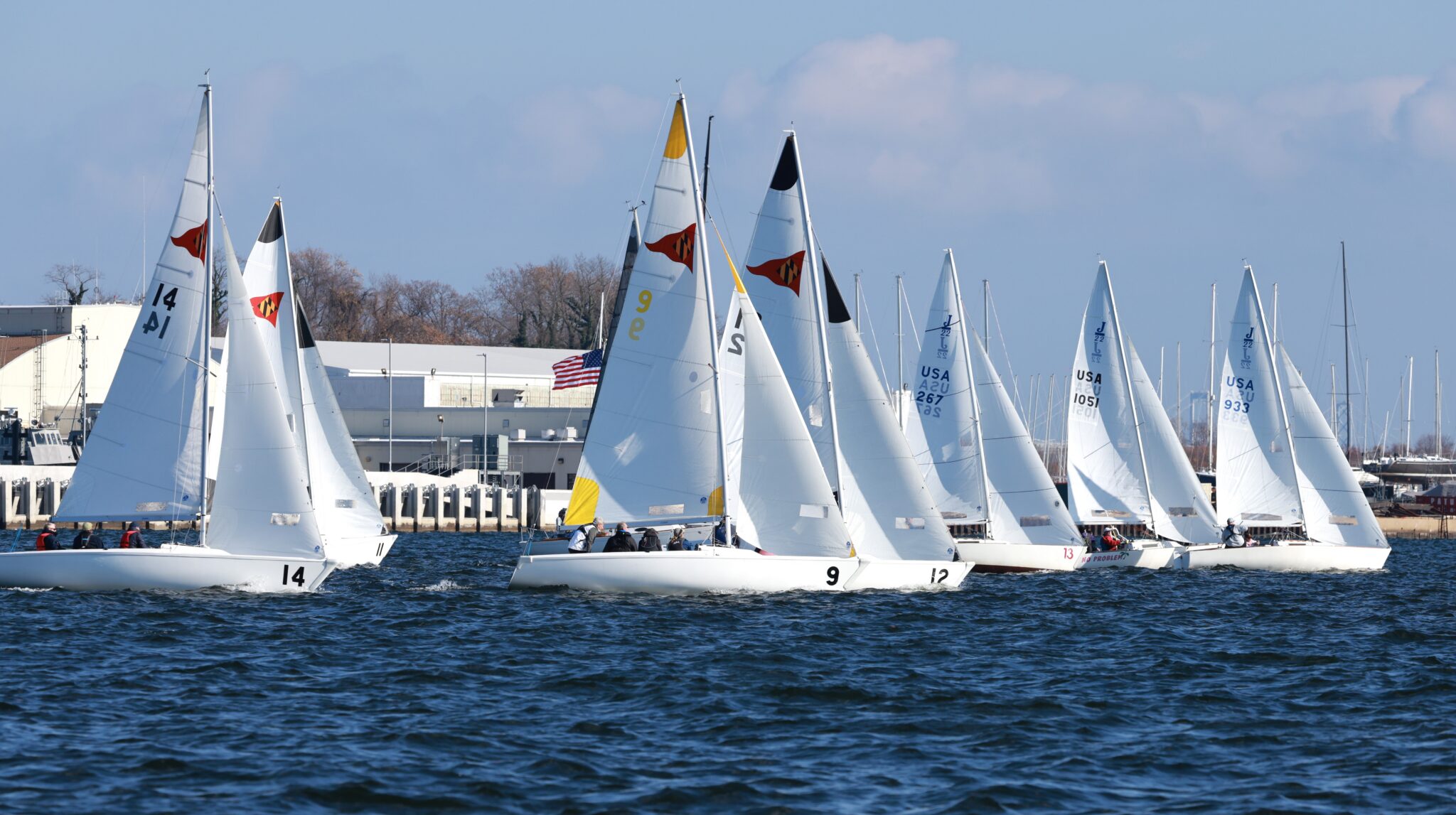 How the Annapolis Frostbite Series Turned Basic Preparation into Better Results">

Annapolis Yacht Club’s Frostbite Series runs two short-course races on each of eight Sundays from early November to late December, and the 2025 entry list topped 118 boats with classes scored separately (Sonar paired with J/22 but scored independently); race rules required a minimum of three crew and prohibited spinnakers for safety and manageability in winter conditions.
Race Logistics and Fleet Structure
The regatta format—two races per afternoon with a break to warm up—demands quick turnaround logistics: a charged VHF radio to catch committee announcements, a clear course chart for 12 optional courses, and a compact note system for the Voile Instructions. Race committees typically set identical starting lines and courses for paired fleets, so on-the-water scoring and fleet separation are handled administratively rather than visually.
Why organization matters at a glance
Failing to carry a course chart or a working radio immediately impairs decision-making. When crew are cold or confused, tactical errors multiply; conversely, simple pre-race preparation converts into measurable gains on the racecourse.
Gear, Clothing, and On-Deck Comfort
Cold-weather equipment is not optional. Early-season 55°F days may feel benign, but dipping into the 30s exposes weaknesses. The easy, high-ROI upgrades include:
- Fleece-lined gloves — restore hand feel and sail trim precision.
- Wool hat and long underwear — maintain core warmth and mental clarity.
- Good foul-weather gear and feet warmers — extend endurance on deck.
- Lifejacket and safety harness — mandated for winter racing safety.
| Problème | Practical Fix | Tourism Tip |
|---|---|---|
| No course sheet | Make a one-page notebook of Sailing Instructions and course diagrams | Visitors can time trips to watch mid-afternoon racing and join local marina tours |
| Cold hands | Buy fleece-lined gloves and spare pairs | Pair race spectating with museum tours—Annapolis museums stay warm indoors |
| Poor starts | Practice timed runs or a port approach; assign a dedicated starter observer | Arrange guided sailing experiences for beginners through local providers |
Crew Roles and Communication
One helmsman trying to steer and trim the main is inefficient. Reassigning the mainsheet to a focused trimmer immediately improved boat handling and mark roundings. Clear verbal calls on upcoming maneuvers and designated lookouts for wind and competitor moves turned a nervous helm into a confident skipper.
Starting Strategy and Tactical Adjustments
Early-series starts were the weakest link—last around the first mark several times—so returning to fundamentals helped: either a timed run or a deliberate port approach at the start. For reaching starts, patience is paramount: avoid one-on-one luffing matches, sail from puff to puff, and keep the boat straight and fast rather than pinching high when boats cluster.
- Prefer clear wind when exiting marks; delay a tack to find an open lane.
- Preset outhaul, downhaul, and halyard before rounding to minimize costly trim work.
- On downwind legs, minimize jibes and seek clear air to make gains.
Results and Weather Realities
Winter regattas carry weather risk: three racing days were cancelled due to either no wind or gale conditions, yet the fleet completed 10 races across five Sundays. Consistent weekly improvements moved the team from early poor finishes to a runner-up position, ending just one point shy of first overall.
Key contributors to that progress were youthful straightforwardness—13-year-old Paul Turner’s candid advice, “We need to sail faster”—and a strong crew mix: Caroline Kelly’s sharp jib trim experience from Tufts and Bill Jorch’s Georgetown-trained mainsheet work.
How Frostbite Racing Connects to Local Tourism
Winter regattas offer unique travel experiences for visitors: short, action-packed races are spectator friendly and pair nicely with Annapolis’s broader tourism options such as museum tours with live guides, yacht parties, and cruise packages. For travelers wanting hands-on involvement, adventure rafting trips are off the mark here, but aboard-deck sailing experiences and guided harbor tours provide memorable local flavor.
On GetExperience.com you can find local nautical experiences and tours in the Annapolis area from verified providers, make full and secure payments with voucher confirmation issued afterward, and submit tailored requests so providers can propose offers that match your preferences. On GetExperience, you book your experience from verified providers at reasonable prices, giving you transparency, convenience, and a wide range of additional options to choose from. Book now GetExperience.com
In summary, the Annapolis Frostbite Series demonstrates that solid logistics, simple gear upgrades, and disciplined crew assignments yield outsized performance gains. From organization and VHF preparedness to glove choice and preset sail controls, small changes produced steady improvement and a near-win. For travelers, winter sailing adds an active dimension to museum tours with live guides, yacht parties, cruise packages, eco-friendly wildlife safaris, and luxury adventure travel experiences—reminding us that nothing replaces firsthand travel experiences and adventure activities. Whether you’re seeking interactive online cultural workshops or an exclusive yacht charter, these insights help shape smarter choices for Travel experiences and Adventure activities on and off the water.