


 Français
  English (UK)
  Русский
  বাংলা
বাংলা  العربية
  日本語
日本語  한국어
한국어  Magyar
  Norsk nynorsk
  Türkçe
  עִבְרִית
  Español
  Čeština
  Svenska
  Português
  Ελληνικά
  Suomi
Suomi  Nederlands
  Română
  Italiano
  Polski
  Українська
  Deutsch
  简体中文
简体中文  Slovenčina
  Српски језик
  اردو
اردو  Azərbaycan dili
  O‘zbekcha
  አማርኛ
አማርኛ 
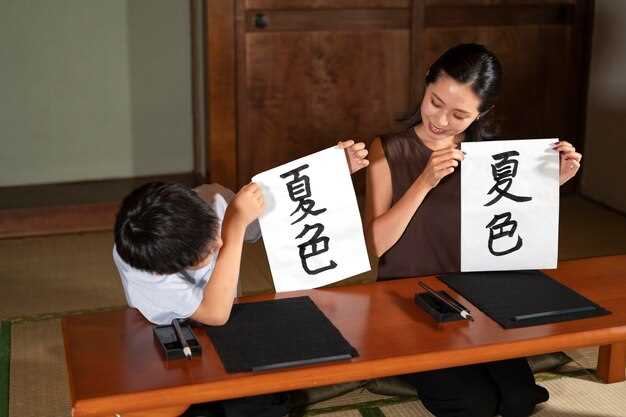
Learning Japanese may seem daunting at first, especially for those who haven’t delved into the intricacies of the language. However, this comprehensive guide aims to introduce you to the various aspects of mastering Japanese, from the basics of greetings like “konnichiwa” to the more complex kanji characters. The journey starts here, and with the right approach, you will enjoy the process of learning and speaking Japanese.
Many learners worry about the challenges posed by new concepts, particularly the different levels of proficiency required to communicate effectively. The truth is, while it may seem difficult at times, there’s no need to feel lost. With the handy tips and updates provided in this guide, you will learn how to save time and make the most of your study hours. In addition, we will include articles that deal with common excuses learners make and how to overcome them.
Although some may find the initial stages less enjoyable, the habit of spending time each day on language practice will naturally develop. It’s fine to go back and review concepts you struggle with; this is all part of the learning process. Remember, you don’t need to rush. Take your time to pick up vocabulary related to everyday life, from vegetables to essential phrases. By integrating Japanese into your daily routine, you will find that speaking and writing become much easier, and you will undoubtedly recall what you’ve learned.
Understanding the Basics of Japanese Linguistics
Japanese linguistics is a field that can feel quite complicated at first. Many beginners might get lost in the intricate web of its grammar, vocabulary, and pronunciation. However, understanding the essential concepts can surprisingly make the learning process enjoyable. The main focus should be on the language’s unique structure, which is fundamentally different from Indo-European languages. Once you’ve grasped these basics, you’ll be able to appreciate the beauty of Japanese more deeply.
One of the core elements of Japanese is its use of honorifics and levels of politeness, which can confuse even advanced students. For example, in greeting someone, saying こんにちは (konnichiwa) is generally acceptable, but in more formal situations, you might need to opt for おはようございます (ohayou gozaimasu) in the morning or こんばんは (konbanwa) in the evening. Understanding these subtleties can significantly impact your communication and is essential for living and working in Japan.
Another important aspect of the language is its sound structure. Japanese has relatively few phonemes compared to many other languages, which means that once you’ve mastered the basic sounds, you’ll find that speaking becomes much easier. The distinct cadence and accent also contribute to a unique musical quality. For those learning Japanese, it’s good practice to listen carefully to native speakers, so you can replicate their rhythm and intonation more effectively.
Later stages of learning will involve more complex grammar patterns, including contractions and compound sentences. Many students might feel overwhelmed during this phase, especially when needing to balance their study commitments with practical language use. I recommend utilizing various platforms, such as language exchange groups or online tutors, to practice speaking and gain real-world experience. There’s a significant difference between theoretical knowledge and being able to apply it in conversation.
Finally, while it may seem that mastering Japanese is a daunting task, the reality is that with consistent practice, you can progress effectively. It’s important to drop the fear of making mistakes; instead, embrace them as part of the learning journey. All languages evolve, and Japanese is no exception. As you navigate through the stages of fluency, remember that regardless of your current skill level, each new word and phrase adds to your understanding–and it’s all worth it. After all, you are not just learning a language; you are also connecting with a rich culture that has so much to offer.
How Do Japanese Syllabaries Work?
Japanese writing consists of three main components: hiragana, katakana, and kanji. Hiragana and katakana are phonetic syllabaries, meaning they represent sounds rather than meanings. Each syllable in the Japanese language has a corresponding character in these two syllabaries. For example, the word “marugoto” (まるごと) can be broken down into its components using these characters. Hiragana is typically used for native Japanese words and grammatical elements, while katakana is used for foreign words and names, as well as onomatopoeia. Understanding how these systems work allows a learner to read and write with a level of fluency needed for effective communication in daily life. The best way to master them is through practice, often facilitated by textbooks and resources that include exercises and tables.
Within a few weeks of dedicated study, a person can become able to read simple texts. For example, when someone practices typing in Japanese, they often notice their progress as they become more fluent in reading and writing. One important part of this process is understanding how syllables are constructed, which can be especially useful when learning kanji. Kanji is much more complex, as it consists of characters that each represent unique meanings and are derived from older Chinese characters. Learning these can feel overwhelming at first, but by combining them with hiragana and katakana in a structured program, such as using a spreadsheet to track progress, learners can advance steadily. If you ever feel trapped by your learning, remember that anyone can succeed in mastering the language over time–it just takes the right mindset and resources, including handy tutors and engaging materials. すみません, I hope this helps clarify the process, and as always, ありがとうございます for your dedication!
What Are the Differences Between Hiragana, Katakana, and Kanji?
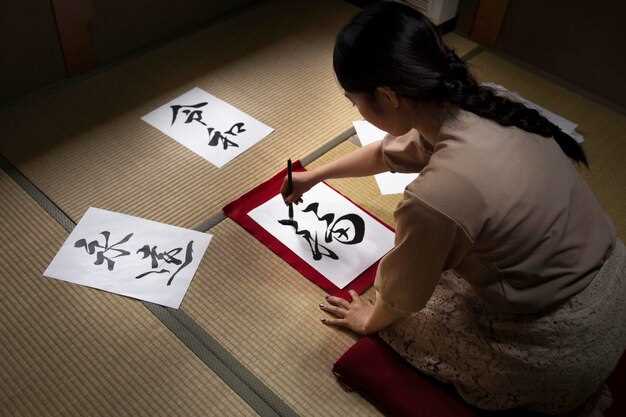
In the Japanese writing system, three scripts coexist: Hiragana, Katakanaet Kanji. Each of these scripts serves a unique purpose and plays a different role in education and communication. For a beginner learner, recognizing these differences is crucial for effective study and understanding of the language.
Hiragana is the foundational script, primarily used for native Japanese words and grammatical elements. It consists of 46 basic characters that represent distinct sounds, making it essential for constructing sentences. For instance, the phrase “おはようございます” (Good morning) starts with hiragana characters. Learners should memorize these characters first, as they will be used frequently in their studies.
D'un autre côté, Katakana is utilized for foreign words, onomatopoeia, and emphasis. It also contains 46 characters, similar to Hiragana, yet the pronunciations remain the same. An example related to this is “すみません” (Excuse me), where you might see its representation in Katakana when used in a different context. For learners, this script is practical for integrating international terms smoothly into conversation and writing.
Kanji differs significantly from both Hiragana and Katakana, as it consists of Chinese characters adopted into Japanese. Each kanji character can represent whole words or meanings, and many can have multiple pronunciations related to various contexts. For example, the kanji for “water” is 水 (sui), which plays an essential role in advanced communication. Understanding kanji can take longer and requires dedicated study over weeks or even years, challenging learners with its complexity.
The interplay between these scripts requires learners to consciously engage with them. During classes, educators often provide worksheets that encourage practice in all three forms. This approach aids in collecting resources that enhance listening and pronunciation skills, particularly important for those trapped in the earlier stages of learning.
It’s essential not to worry about memorization from the start. Instead, creating a structured plan that involves learning Hiragana first, progressing to Katakana, and then tackling Kanji can work effectively. This method should ease the learner into the grammar and structure of the language, ensuring a solid foundation is established before moving on to more complex language usage.
Ultimately, each script serves a vital function in expressing the rich culture of Japan. By recognizing the differences and understanding their respective meanings, learners can approach their studies with confidence. Whether you are starting with casual phrases like “onegaishimasu” (please) or more advanced kanji reading, the journey through these scripts should be both enjoyable and rewarding.